Ethereum Foundation Eyes Landmark NFT Collection in 2026
By Darren Smith, Arts Reporter
May 12, 2026
In a move that could cement Ethereum’s cultural legacy, the Ethereum Foundation (EF) is poised to launch or formalize its first major NFT collection this year. This development builds on surging institutional interest in on-chain art, following the Museum of Modern Art’s (MoMA) high-profile acquisition of CryptoPunks and Chromie Squiggles in late 2025.
Industry analysts and community observers see the EF’s potential entry into the NFT space as more than symbolic. With Ethereum’s protocol priorities for 2026 emphasizing scalability, user experience, and network resilience, a curated NFT initiative would highlight the blockchain’s role as a canvas for creativity and community governance.
Institutional Momentum Builds
The spark comes from MoMA’s landmark addition of eight CryptoPunks and eight Chromie Squiggles to its permanent collection in December 2025. These iconic generative works, acquired through coordinated donations, now sit alongside traditional new media art, validating NFTs as serious cultural artifacts.

CryptoPunks, launched in 2017 by Larva Labs, and Chromie Squiggles from Art Blocks have become cornerstones of Ethereum’s artistic heritage. Their inclusion in one of the world’s premier museums has accelerated conversations about digital provenance and blockchain’s place in art history.
Experts predict the EF could follow suit by accepting donations or commissioning works that reflect Ethereum’s ethos of decentralization, innovation, and open-source collaboration. A dedicated collection might feature generative art, historical protocol milestones, or community-contributed pieces minted directly on Ethereum mainnet.
Why 2026 Matters for Ethereum Culture
The timing aligns with Ethereum’s maturation. The Foundation’s Protocol Priorities Update for 2026 outlines ambitious tracks: scaling the L1, improving UX through account abstraction and interoperability, and hardening the network against emerging threats.
An NFT collection would serve as a cultural parallel—bridging technical advancement with artistic expression. It could include limited-edition pieces tied to protocol upgrades like Glamsterdam, expected in the first half of 2026, or celebrate Ethereum’s 11th anniversary milestones.
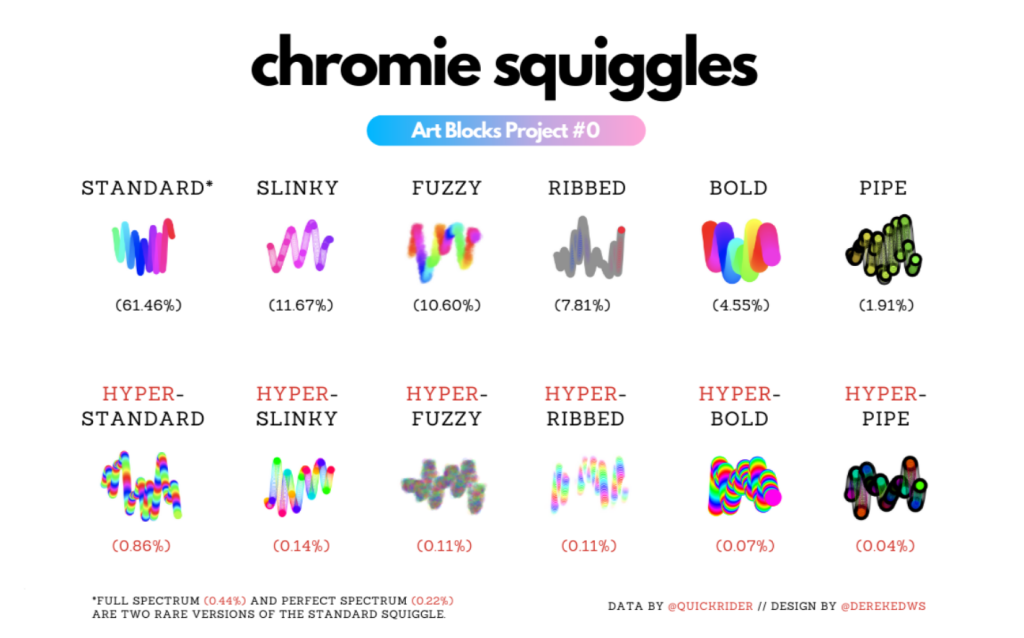
Generative art remains a natural fit. Projects like Art Blocks have demonstrated how on-chain code can produce unique, verifiable artworks. An EF-backed collection might prioritize royalties that fund public goods, developer grants, or ecosystem growth—true to Ethereum’s values.
Community sentiment is strong. Discussions on forums and social platforms highlight excitement around an official EF collection that could rival blue-chip projects in prestige. Unlike speculative drops, this would emphasize utility, storytelling, and long-term stewardship.
Challenges and Opportunities
Skeptics note the EF’s historically cautious approach to commercial activities. As a nonprofit focused on protocol development, any NFT initiative would likely prioritize transparency, decentralization, and minimal environmental impact—leveraging Ethereum’s post-Merge energy efficiency.
Potential formats include a permanent digital archive of Ethereum history, collaborative drops with renowned artists, or soulbound tokens recognizing key contributors. Integration with existing tools like POAPs (Proof of Attendance Protocols), already used by the ecosystem, could enhance accessibility.
Financially, even a modest collection could generate meaningful funding for grants while demonstrating real-world NFT utility beyond trading. With NFT market dynamics shifting toward quality and culture in 2026, timing appears ideal.
Broader Implications for Web3
Should the EF proceed, the ripple effects would extend far beyond Ethereum. It would signal to museums, brands, and creators that blockchain-native art belongs in institutional collections. This could accelerate adoption of on-chain provenance standards and encourage other foundations to explore similar cultural initiatives.
Ethereum’s vibrant ecosystem—home to pioneering projects like CryptoPunks—has always thrived at the intersection of technology and creativity. A Foundation collection would honor that heritage while pointing toward the future.
As one Bankless analyst noted, following MoMA’s lead and the EF’s renewed community focus, 2026 is the year Ethereum formalizes its artistic legacy.
This potential launch represents more than NFTs; it embodies Ethereum’s journey from experimental blockchain to global cultural force.
Explore Ethereum’s artistic future today. Visit the Ethereum Foundation Blog for protocol updates, discover Art Blocks generative masterpieces, check MoMA’s digital initiatives, review Ethereum.org NFTs, or follow community discussions on Bankless.
What piece of Ethereum history would you mint? Share your vision in the comments and join the conversation shaping Web3 culture.
Cover image is Ai generated