France Declares Rare Hans Baldung Grien Drawing a National Treasure, Halting High-Stakes Paris Auction
PARIS — In a dramatic last-minute intervention, French authorities have classified a newly rediscovered silverpoint portrait by German Renaissance master Hans Baldung Grien as a National Treasure, imposing a 30-month export ban and forcing the postponement of its scheduled auction at Hôtel Drouot.
The delicate bust-length drawing, Portrait of Susanna Pfeffinger (1517), measuring just 15.7 by 10.4 centimetres, was set to go under the hammer on March 23 through Beaussant Lefèvre & Associés in collaboration with Cabinet de Bayser. Experts had estimated the work at €1.5 million to €3 million, reflecting its exceptional rarity: it is one of only about a dozen known silverpoint portraits by Baldung, a close associate of Albrecht Dürer, and the first to appear on the market in private hands in recent memory.
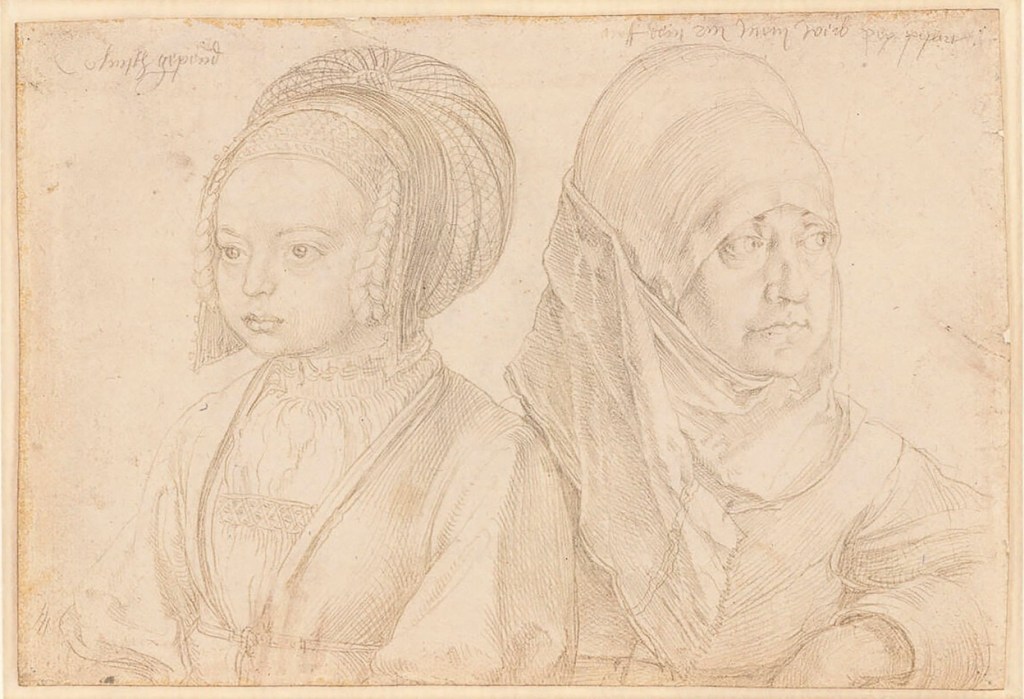
The piece, which had remained in the sitter’s family descendants for over five centuries, surfaced publicly earlier this year after an export licence application was filed in November 2025. On March 20, France’s Ministry of Culture, following a recommendation from the Advisory Commission on National Treasures, issued the decree. No comparable Baldung silverpoint drawings exist in French public collections, rendering the portrait “of major historical and artistic interest for the national heritage,” officials stated.
Beaussant Lefèvre promptly suspended the sale, noting that the timing—mere days before the auction—had compromised normal proceedings despite strong international interest. The sellers have indicated willingness to pursue private negotiations with French institutions, allowing time for potential acquisition during the ban period.
Art historians hail the move as a significant victory for cultural preservation. Baldung, known for his expressive draftsmanship and psychological depth, remains underrepresented in France. The classification underscores the government’s commitment to safeguarding exceptional Old Master works, even as it intersects with the global art market’s appetite for rarity.
This measured intervention highlights ongoing tensions between private property rights and public heritage protection in Europe’s cultural capitals. As negotiations unfold, the drawing’s future may lie not in an international collector’s vault, but within a French museum collection—securing its legacy for generations.