Uzbek Artist Saodat Ismailova Conjures Post-Soviet Memory in Haunting UK Solo Debut
GATESHEAD, England — In a dimly lit gallery at the Baltic Centre for Contemporary Art, visitors step into a hypnotic dreamspace where history, myth and personal memory dissolve. Saodat Ismailova: As We Fade, the Uzbek artist and filmmaker’s first solo exhibition in a UK institution, opened last November and continues to draw acclaim for its spellbinding exploration of Central Asian identity in the shadow of Soviet collapse.
Born in Tashkent in 1981, Ismailova grew up amid the final years of the USSR. Her father was a filmmaker, and communal screenings shaped her childhood. In the exhibition’s centerpiece, the world premiere of Swan Lake (2025), she assembles black-and-white footage from 44 Central Asian films made between 1980 and 2000. Actors’ faces flicker with restlessness, despair, joy and fragile hope, interwoven with clips of Tchaikovsky’s ballet, the band Kino and Soviet hypnotist Anatoly Kashpirovsky. The double-channel installation, suspended at an angle, creates an intimate dialogue that evokes the anxiety and uncertain liberation of the perestroika era.

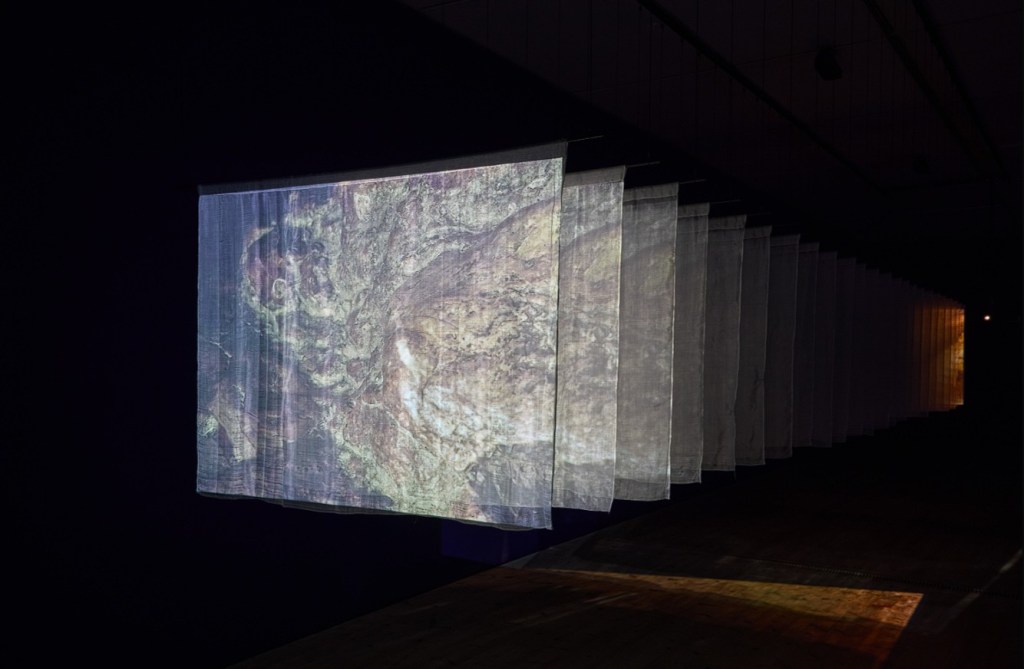
Nearby, the titular work As We Fade (2024) projects ritual footage from Kyrgyzstan’s sacred Sulaiman-Too mountain onto 24 suspended silk panels — a shimmering reference to Uzbekistan’s historic position on the Silk Road and the 24 frames per second of traditional cinema. Images of devotion appear and vanish, inviting reflection on what is seen, remembered and lost.
Earlier works such as Zukhra (2013) and Melted into the Sun (2024) further probe thresholds between the mundane and mystical. In the latter, a veiled figure with silver fingertips leads followers through a desert, whispering words of an eighth-century mystic reinterpreted across centuries.
Critics have praised the exhibition’s elemental beauty and disorienting power. “Scene after scene of breathtaking beauty, elemental ambience and disorienting anxiety,” noted The Guardian, describing it as an “unforgettably strange psychic dreamspace.”
The show runs through 7 June 2026 in the Level 3 Northumbria University Gallery at Baltic. Free entry, with donations welcomed. Some footage includes implied violence and flashing imagery; a visual story guide is available for visitors.
Ismailova’s confident restraint — letting potent images speak — marks her as a vital voice in contemporary Central Asian art, bridging collective trauma and quiet transcendence.
For more, visit baltic.art.