Indonesian Artist Bagus Pandega Poised for Breakthrough
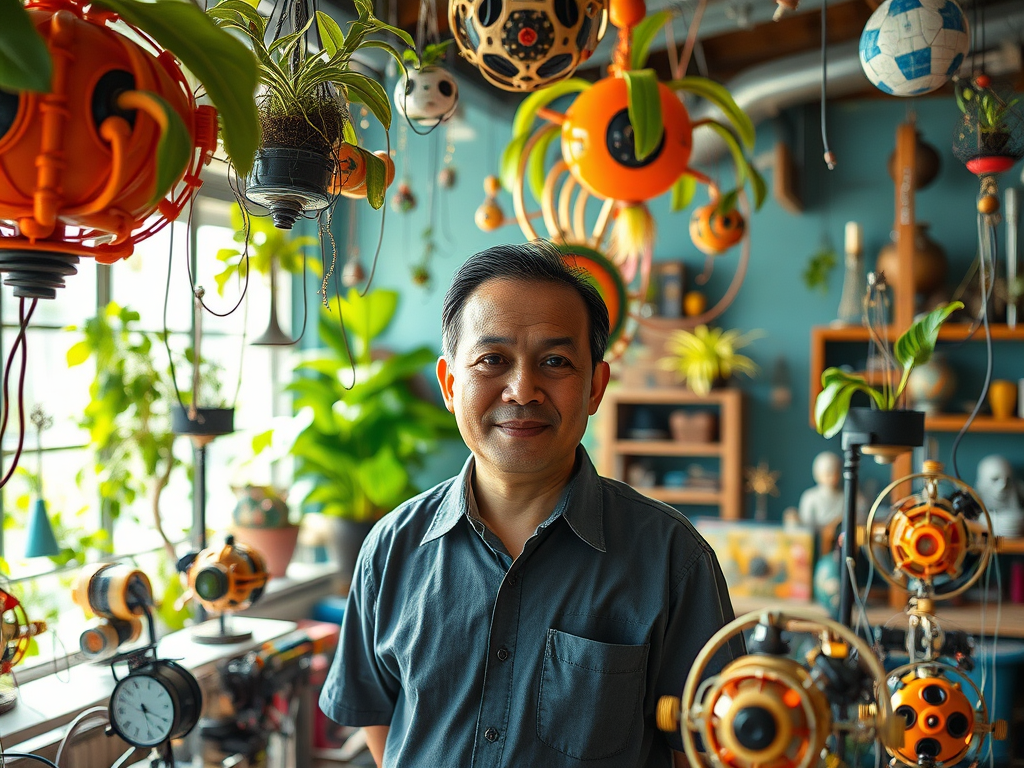
Indonesian contemporary artist Bagus Pandega is emerging as one of the most compelling voices in global art for 2026. Born in 1985 in Jakarta and based in Bandung, Pandega creates kinetic installations that blend mechanical systems, everyday electronics, natural elements like plants and minerals, and sound to probe urgent themes of ecology, extraction, and the interplay between technology and nature.
-93e9e8d.jpg/:/rs=w:1280)
Trained in sculpture with a Bachelor of Arts and Master of Fine Arts from the Bandung Institute of Technology, Pandega has shifted from traditional forms to innovative, modular, do-it-yourself constructions. His works often function as living ecosystems—activated by viewers, they move, respond, and circulate energy between organic and technological components. This approach challenges perceptions of sculpture while addressing Indonesia’s socio-political and environmental realities, from historical spice trade exploitation to modern resource extraction in nickel and palm oil industries.
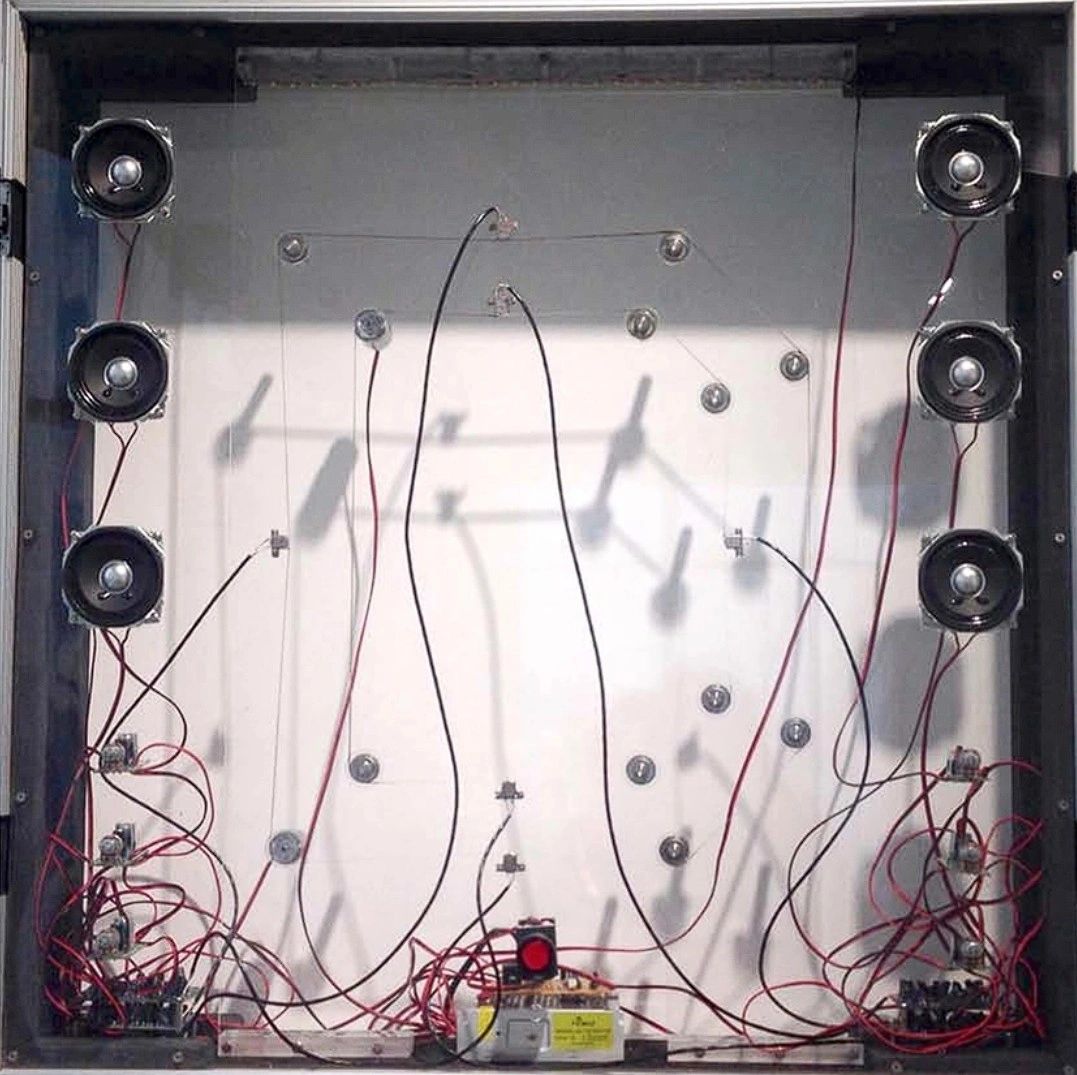
Recent years have marked significant milestones. In 2025, Pandega presented his first major European institutional solo at Kunsthalle Basel with “Sumber Alam,” exploring disruptions in industrial and mechanical systems. This was followed by his New York debut at the Swiss Institute with “Daya Benda” (on view through early 2026), transforming the space into a “living laboratory” of hybrid systems that link nature, machines, and colonial legacies. Highlights include large-scale pieces incorporating Indonesian minerals, houseplants, lights, and music boxes to evoke interdependent resource flows.
Pandega’s momentum continues into 2026 with high-profile exhibitions. He features in a duo solo show at the Singapore Art Museum starting January, alongside artist Elia Nurvista in “Nafasan Bumi ~ An Endless Harvest,” examining relentless extraction from plantations to electric futures. Additional solos are slated at Japan’s Naoshima New Museum of Art in June, Sogetsu Art Foundation in Tokyo, and ROH Projects later in the year.
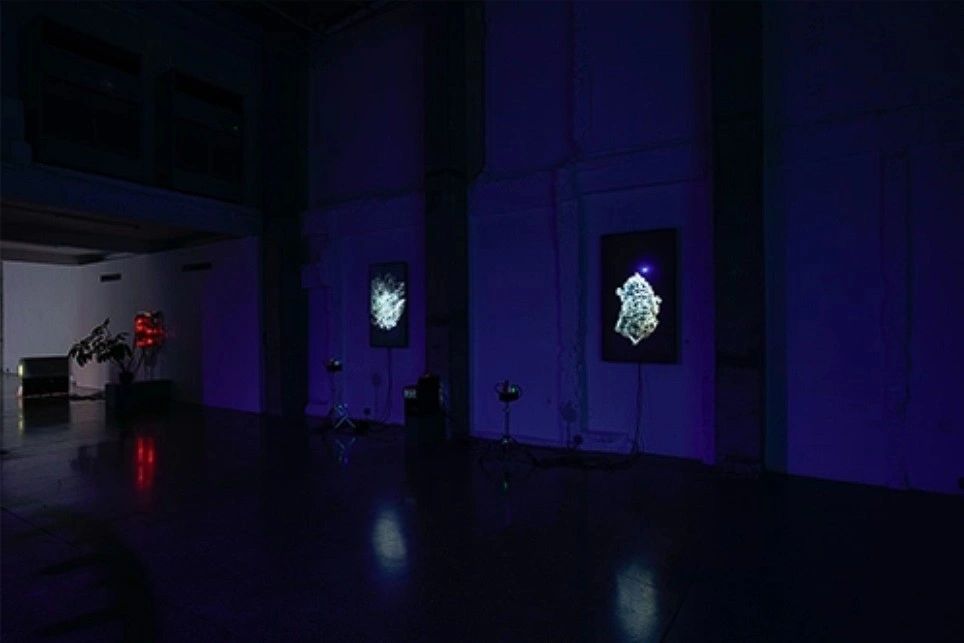
Critics and curators have taken notice. Artnet named him among eight artists poised to break out in 2026, with curator Ulrich Schrauth praising his kinetic, plant-based installations at the intersection of art and technology. Publications like Frieze, ArtReview, Observer, and Ocula have highlighted his material ingenuity, drawing from Indonesia’s urban working class and ecological narratives.
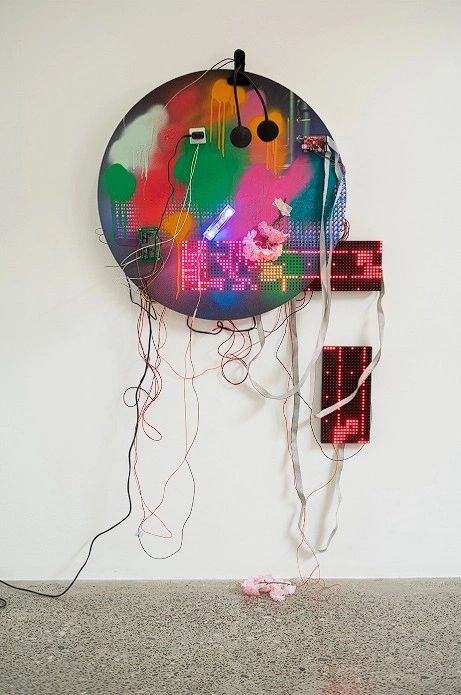
While Pandega’s primary medium is large-scale installations and no major NFT projects are documented in his practice, his innovative use of modular electronics and responsive systems resonates with digital-age experimentation in contemporary art.
Pandega’s rise reflects a broader shift toward artists from the Global South tackling pressing global issues through inventive forms. As institutional interest grows, his work promises to influence conversations on sustainability, hybridity, and cultural critique.
For inaccuracies, contact Darren Smith.