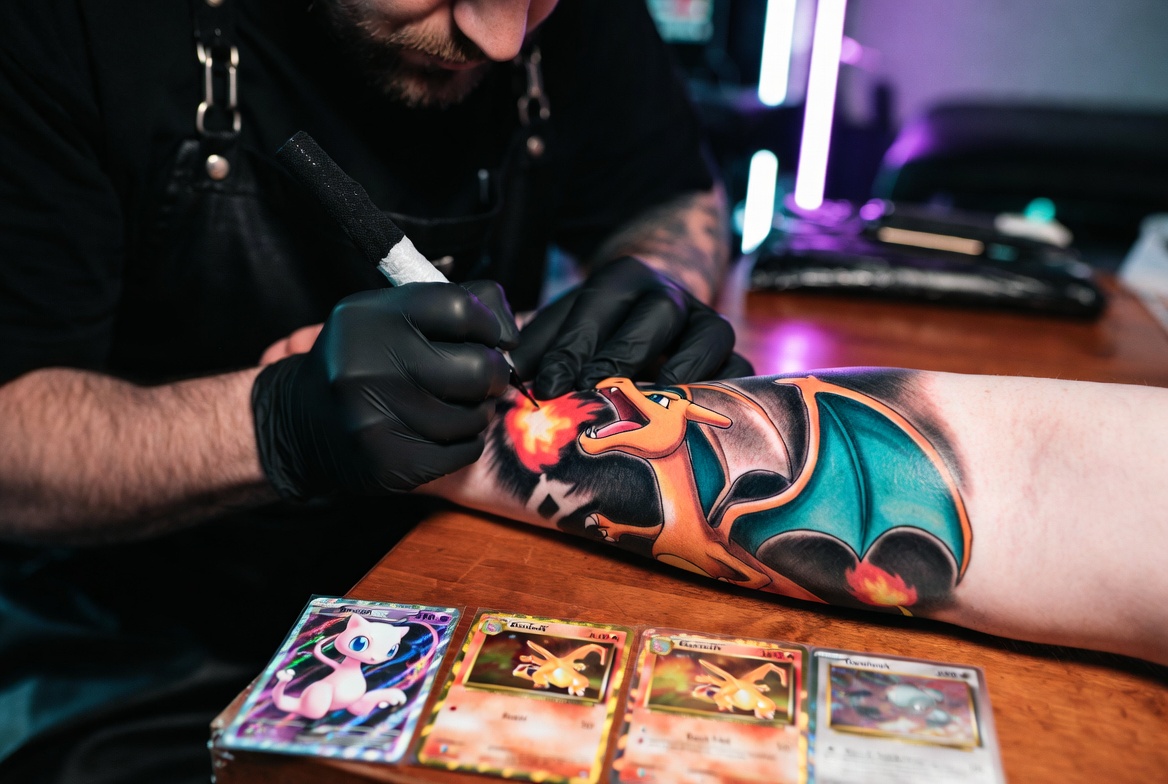
Tattoo Artists Embrace Pokémon Cards as Payment
By Darren Smith, Arts Reporter
April 14, 2026
In a creative twist blending childhood nostalgia with modern body art, tattoo artists around the world are swapping their needles and ink for Pokémon trading cards. What began as informal barters between passionate collectors and clients has evolved into a notable trend, highlighting how economic pressures and shared hobbies are reshaping the tattoo industry.
Martin Moore, a 15-year veteran tattooist and co-owner of Mavericks Tattoo Studio in Totton near Southampton, UK, has brought this idea into the spotlight. Specializing in black and grey realism, Moore initially traded tattoos informally with regular clients before advertising the exchange on social media. He has completed several deals, including one for a Sun and Moon series collection that caught his eye online.
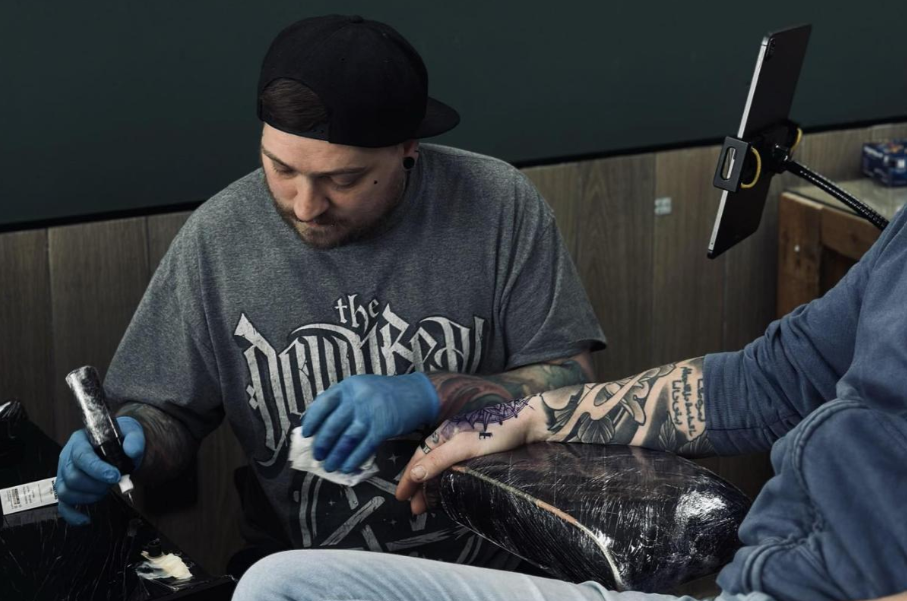
“People don’t have the money they used to,” Moore told local reporters. The impulse decision stemmed from multiple casual trades and a desire to make larger pieces more accessible during tougher economic times. While not a full-time payment method, the offer has drawn genuine interest, with Moore emphasizing that cash sessions remain his primary focus.
Similar exchanges are popping up elsewhere. In the United States, artists at shops like Pale Horse on Central have expressed openness to trading for sealed packs, boxes, or standout singles. One Michigan-based artist sought specific cards for personal collections, turning sessions into opportunities for both ink and hobby growth. In Grand Rapids and Saint Paul areas, posts in tattoo and Pokémon communities reveal a grassroots network of enthusiasts ready to deal.
The appeal lies in mutual passion. Clients part with cherished or valuable cards—ranging from vintage base set holos to modern ex cards—while artists expand personal collections or bond over the franchise. For some, it’s a family affair: one artist highlighted trading as quality time with his son Kendrix, sharing the joy of collecting while creating custom body art.
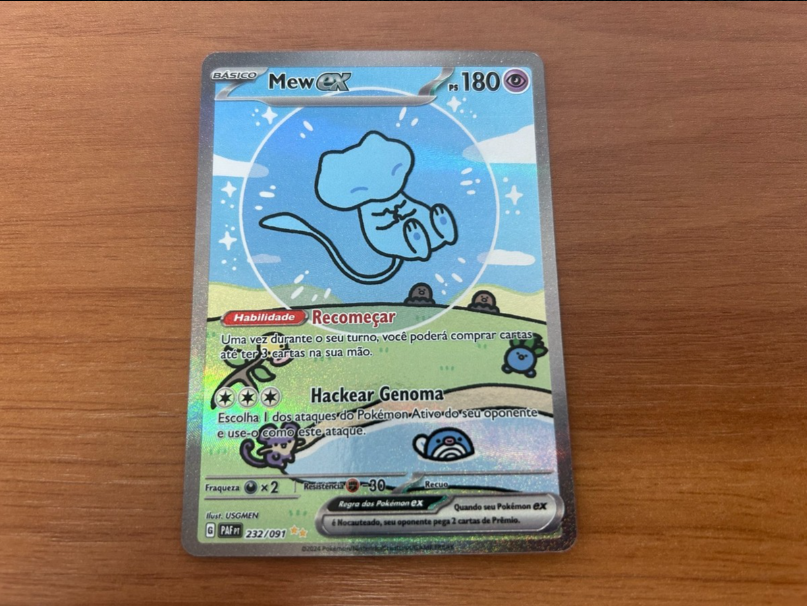
Visuals of these trades often feature stunning results. Artists transform the vibrant, illustrative style of Pokémon cards into wearable masterpieces. A black and grey realism piece might capture the intensity of a Charizard flame or the serene glow of a Mew, preserving the card’s essence in detailed shading and linework.
Another fresh example involves a custom Bubble Mew tattoo inked as part of a direct card-for-art exchange. The client provided the rare holo, and the artist delivered a personalized interpretation, creating a lasting memory tied to both the session and the upcoming Card Expo hunts for items like a Chinese gem Cubone or Japanese Mega Symphonia Gardevoir.
These trades reflect broader shifts in the tattoo world. With living costs rising, alternative payment methods help clients commit to meaningful pieces without financial strain. For artists, it’s a chance to curate collections while building community. Pokémon’s enduring popularity—spanning games, anime, and TCG—fuels the trend, as fans in their 20s to 40s seek to immortalize childhood favorites on skin.
Industry observers note this isn’t entirely new; bartering has long existed in creative fields, from musicians trading gigs for art to tattooists accepting goods in lean periods. Yet the specificity to Pokémon cards adds a playful, viral layer. Social media amplifies stories, with Instagram reels and Reddit threads showcasing before-and-after photos, card close-ups, and client testimonials.
One artist shared excitement over a Blooming Waters premium collection and Shrouded Fable ETB trade, turning the session into a fun narrative. Others emphasize custom interpretations rather than direct copies, respecting the original TCG art while adapting it to body contours and personal meaning.
Economically, the value alignment matters. A high-grade vintage Charizard might cover a sizable piece, while common packs suit smaller designs. Artists stress fair valuation and clear agreements to keep deals positive. Moore, for instance, focuses on larger black and grey works, ensuring the exchange feels equitable.
This phenomenon also underscores nostalgia’s power in 2026. As Pokémon celebrates ongoing milestones, fans revisit collections, discovering new value in both monetary and sentimental terms. Tattoos serve as permanent tributes, while cards represent tangible nostalgia—trading one collectible passion for another creates unique crossovers.
Challenges exist. Not every artist can sustain non-cash work, and grading, condition, and authenticity require trust. Yet success stories outweigh hurdles, with participants reporting enhanced satisfaction from the personal connection.
In an era where traditional payment feels burdensome for some, these creative swaps inject joy and accessibility into tattoo culture. They remind us that art—whether on paper, cardboard, or skin—thrives on passion, community, and a willingness to think outside conventional transactions.
As more studios explore similar ideas, the tattoo-Pokémon crossover may inspire further innovation. For now, it stands as a charming example of how hobbies can intersect in unexpected, delightful ways, proving that sometimes the best ink comes not from a wallet, but from a well-loved binder of cards.
Darren Smith is an Arts Reporter at Art Chain News covering contemporary art, digital art and NFTs, body art, and the intersections between these fields.