Welsh Tattoo Trends Evolve: Young People Embrace Modern ‘Welsh Lady’ Designs Over Classic Dragons and Feathers
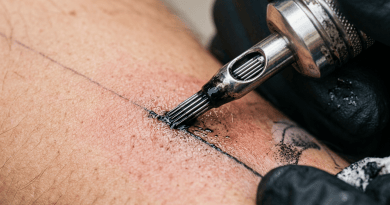
Young Welsh people are increasingly opting for modern interpretations of traditional symbols to express national pride through tattoos, with images of the “Welsh lady” in folk costume emerging as a popular alternative to classic designs like the red dragon and three feathers.
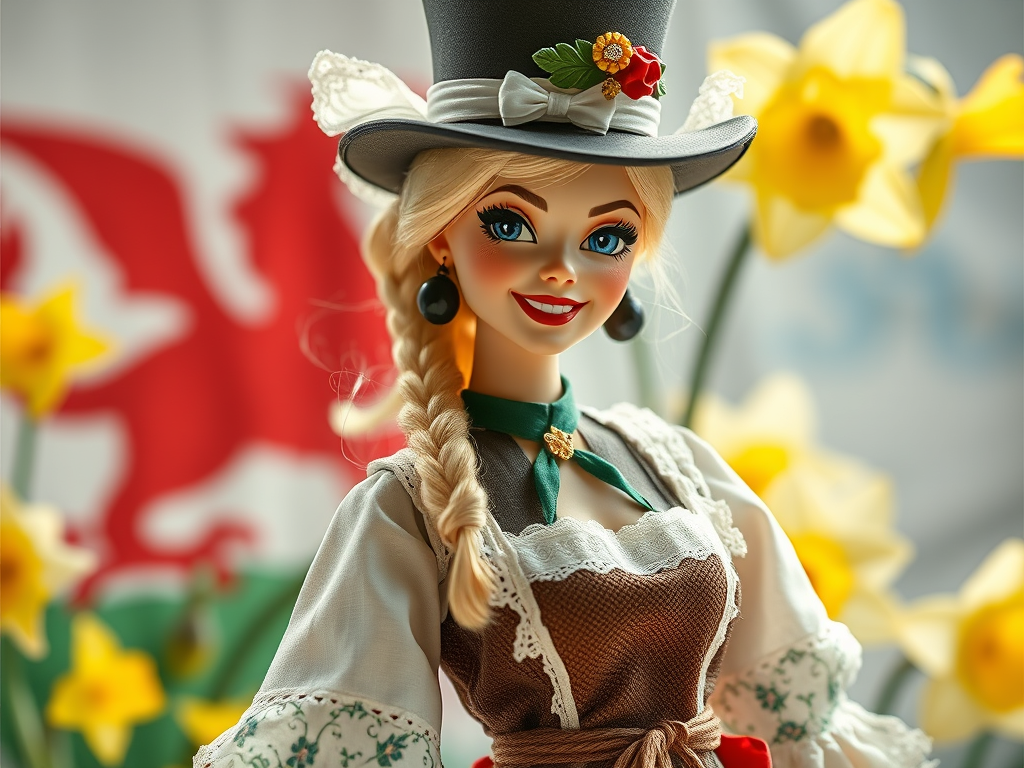
A BBC Wales report published in late February 2026 highlighted this shift, noting that tattoos symbolizing Welsh identity have long featured dragons, daffodils, the Prince of Wales’s feathers, or historical figures such as Owain Glyndŵr. However, younger generations are turning toward representations of women in traditional Welsh dress—often depicted in high hats, shawls, and aprons—reimagined with contemporary flair.
Swansea-based tattoo artist Sadie Evans, 31, told BBC Wales that motifs popular 20 to 30 years ago now feel outdated to many clients. “Younger people want a modern, fun spin on classic Welsh imagery,” Evans said, describing designs styled after Bratz fashion dolls, American pin-up art, or even the character Nessa from the television series Gavin and Stacey wearing the traditional outfit.
Cardiff artist Jessica Tucker, who operates at Medusa’s Tattoos & Piercings, reported overwhelming demand during St David’s Day flash events, with queues stretching hours and artists working extended shifts to meet requests for Welsh-inspired pieces.
Experts observe that the evolution reflects broader cultural reinterpretation. While dragons and feathers remain iconic, folk-inspired imagery—including the Welsh lady, the Mari Lwyd hobby horse, and daffodils—is gaining ground, often combined creatively. This trend suggests a generational move toward playful, personalized expressions of heritage rather than strictly traditional emblems.
As Wales approaches future cultural celebrations, these evolving tattoo choices illustrate how national symbols adapt to contemporary tastes while preserving pride in identity.