The Highs and Lows of AI in the Tattoo Industry
A Weymouth tattoo studio owner has voiced a nuanced view on artificial intelligence’s growing role in tattoo design, describing it as a double-edged sword that offers efficiency but also challenges traditional artistry.
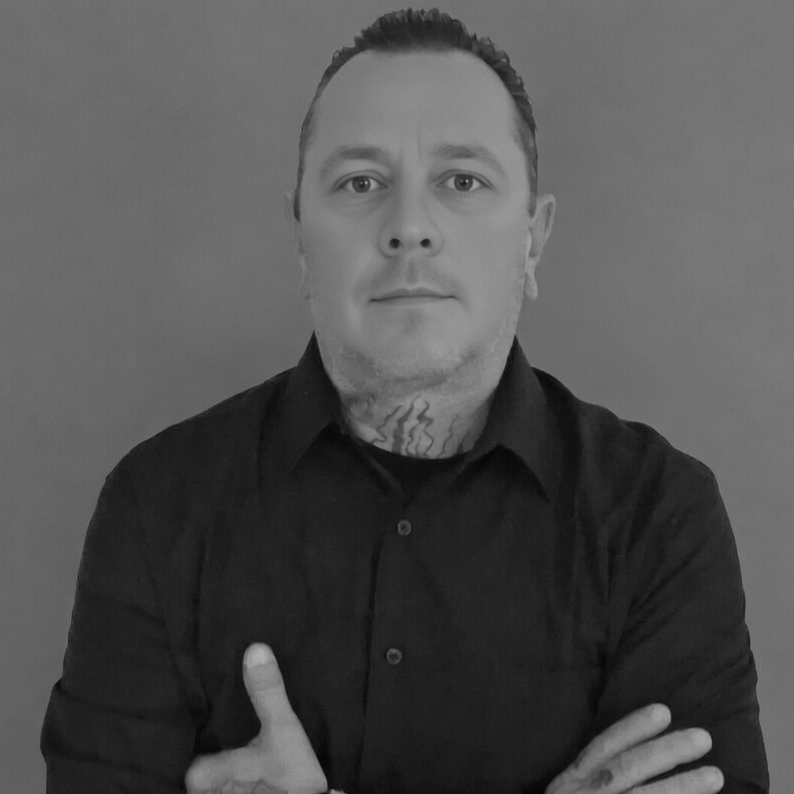
In a BBC News article published on March 4, 2026, by reporter Sophie Cridland for BBC South of England, Kerry Gilbert, founder of Tattoo Morningstar since 2019, explained that AI tools can significantly speed up the ideation process. “AI can save time,” Gilbert told the BBC, “but it can also make the job harder.”
Gilbert highlighted practical benefits, such as quicker concept generation for busy artists and clients. However, she pointed out limitations, noting that AI struggles with elements like accurate dates, script, or fine details that require human precision and adaptability to skin.
The report features regular client Sacha, who has used AI to create several of her tattoos, including small character designs on her legs and thighs. Sacha described the convenience: “Quite often I’ll come and have a flash tattoo on my half hour lunch break,” illustrating how accessible AI generators allow clients to experiment independently before professional sessions.
The piece explores the broader industry tension—AI’s potential to streamline workflows and inspire ideas versus concerns over diminished originality, skill erosion, and difficulties in translating digital prompts into high-quality, body-conforming tattoos. Gilbert observed an uptick in clients arriving with pre-generated AI images from online tools.
The BBC article remains balanced, presenting perspectives from both the artist and a client without endorsing one side, amid rising AI adoption in creative professions. As tools evolve in 2026, the tattoo community grapples with integrating technology while preserving the craft’s human essence.