National Gallery of Art Shines as Cultural Beacon in 2026
By Darren Smith, Arts Reporter
April 21, 2026
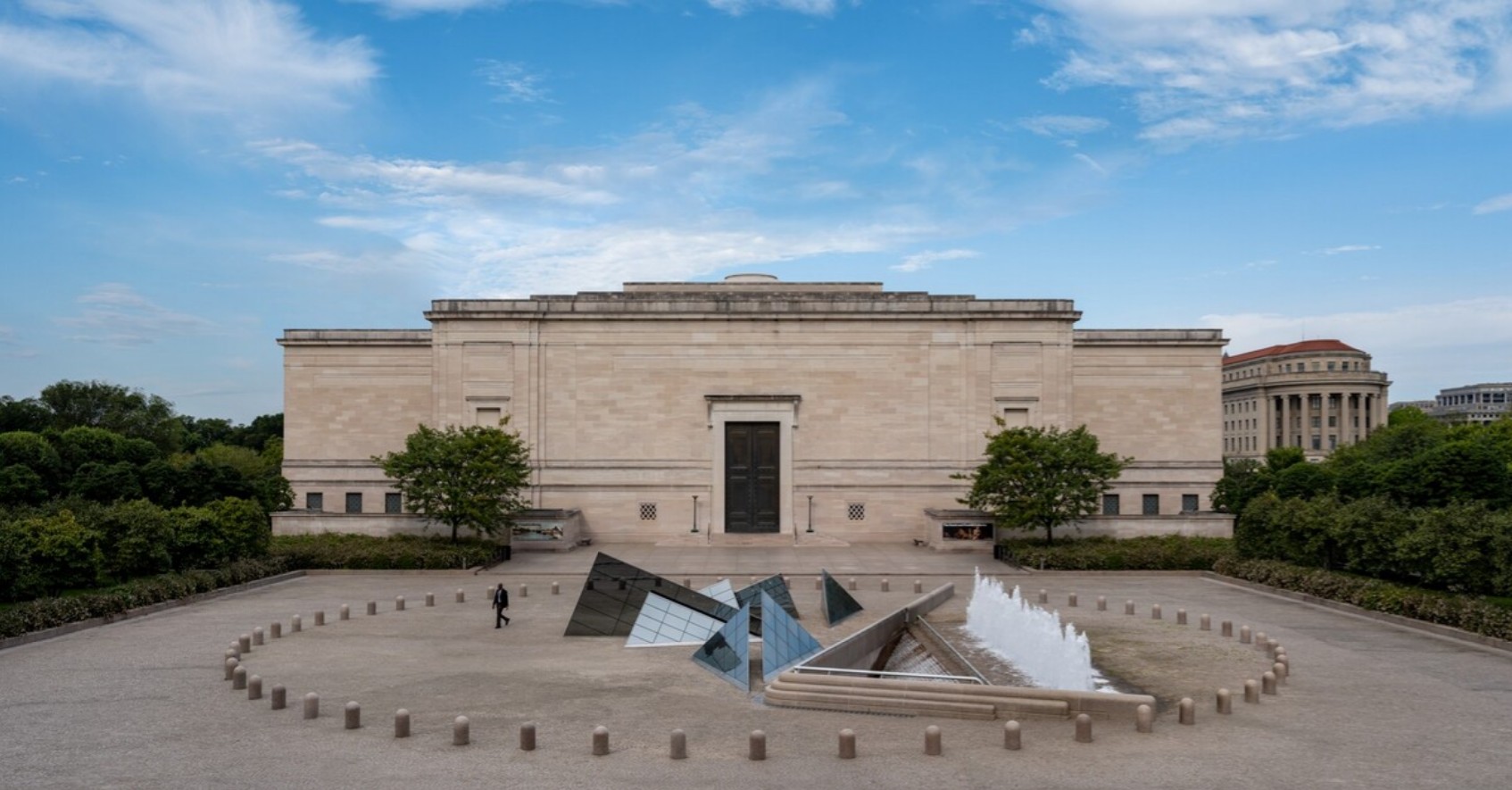
The National Gallery of Art in Washington, DC, stands as one of the world’s premier art institutions, offering free admission to a collection spanning centuries of Western artistic achievement. Nestled on the National Mall, its neoclassical West Building and modernist East Building welcome millions of visitors annually, serving as a vital public resource for education, inspiration, and cultural dialogue.

Founded through the generosity of Andrew W. Mellon, the Gallery opened to the public in 1941. Mellon donated his exceptional collection of old master paintings and provided funds for the original building, envisioning a national institution accessible to all Americans. Over the decades, major gifts from families including the Mellons, the Widener, Kress, and Dale collections have built holdings of nearly 160,000 works. Today, the museum continues this tradition of private philanthropy supporting public access. Visit the official site at nga.gov.
Recent months have brought exciting developments. In a landmark acquisition announced just days ago, the Gallery received more than 1,261 photographs from American photographer Mitch Epstein and his wife Susan Bell. This comprehensive gift spans Epstein’s five-decade career, encompassing master sets and portfolios from his major series. It establishes the National Gallery of Art as the leading institutional holder of Epstein’s work and significantly strengthens its contemporary photography collection.
Epstein’s images often explore the American landscape, urban environments, and the intersection of nature and human activity. Curators note that several works from the gift will appear in exhibitions later this year, offering fresh perspectives on contemporary American life. Read the full announcement here.
The Gallery has also expanded its historical holdings. In early 2026, it acquired Mary Magdalene in Ecstasy, a powerful Baroque painting by Artemisia Gentileschi (c. 1625). This acquisition highlights the museum’s commitment to elevating female artists from earlier periods who have historically been underrepresented.

Artemisia Gentileschi‘s dramatic use of light and emotional intensity adds depth to the Gallery’s 17th-century European paintings. Such purchases demonstrate how targeted acquisitions continue to refine and enrich the permanent collection. Details on the acquisition are available here.
Current exhibitions reflect the institution’s dynamic programming. Mary Cassatt: An American in Paris celebrates the 100th anniversary of the pioneering Impressionist’s death. The installation features beloved paintings alongside rarely displayed prints and drawings, showcasing Cassatt’s innovative techniques and her role in bridging American and French artistic traditions.

Visitors can also explore Dear America: Artists Explore the American Experience, on view through September 2026. This exhibition presents 115 works on paper examining themes of land, community, and freedom from the 19th century to today. Learn more about the Cassatt exhibition here.
As the United States approaches its 250th anniversary in 2026, the National Gallery of Art plays a central role in national commemoration. Programming highlights the museum’s vast American art collection, including iconic works by Winslow Homer, Gilbert Stuart, and Thomas Cole. A major block party on June 6, 2026, will transform the campus into a vibrant public celebration spanning the West Building, East Building, and Sculpture Garden. Discover more about America’s 250th programming here.

The East Building, designed by architect I.M. Pei and opened in 1978, provides a striking contrast to the West Building’s classical elegance. Its soaring atrium and triangular forms house modern and contemporary works, including large-scale installations and the beloved Alexander Calder mobile. The light-filled spaces encourage visitors to engage deeply with 20th- and 21st-century art.
Permanent collection highlights draw art lovers from around the globe. Leonardo da Vinci‘s Ginevra de’ Benci remains the only painting by the Renaissance master in the Americas. Rembrandt van Rijn’s self-portraits offer intimate glimpses into the artist’s life, while Johannes Vermeer’s serene interiors exemplify Dutch Golden Age mastery. American masterpieces such as John Singleton Copley’s Watson and the Shark and Alma Thomas’s vibrant abstractions underscore the nation’s artistic heritage. Explore the Ginevra de’ Benci here.

Beyond exhibitions, the Gallery offers robust public programs. The popular Jazz in the Garden series returns in summer 2026, featuring American sounds with dance classes on select nights. National Gallery Nights transform the East Building into an interactive evening experience several times each spring. Educational initiatives, conservation research, and the Center for Advanced Study in the Visual Arts support scholarship that benefits both specialists and general audiences.
The museum’s commitment to accessibility sets it apart. Free admission, family-friendly activities, and digital resources ensure that art reaches diverse audiences. Major recent acquisitions, including hundreds of works across mediums announced in March 2026, reflect ongoing efforts to expand representation of historical and contemporary voices.
In an era of rapid technological change, the National Gallery of Art maintains its focus on stewardship of physical artworks while exploring new ways to engage the public. Its collections and programs continue to foster appreciation for art’s power to illuminate human experience across time.
With its recent gifts, thoughtful exhibitions, and ambitious 2026 programming, the National Gallery of Art reaffirms its position as a dynamic cultural leader. Whether discovering a Renaissance masterpiece or contemplating a contemporary photograph, visitors leave enriched by encounters with works that define our shared artistic legacy.
Darren Smith is an arts journalist, practicing artist, and tattooist with 26+ years of experience across traditional, digital, and body art practices. He covers the intersections of craft, culture, and collecting for ArtChain News.