Anonymous Art Sales: Dealers Showcase Creativity
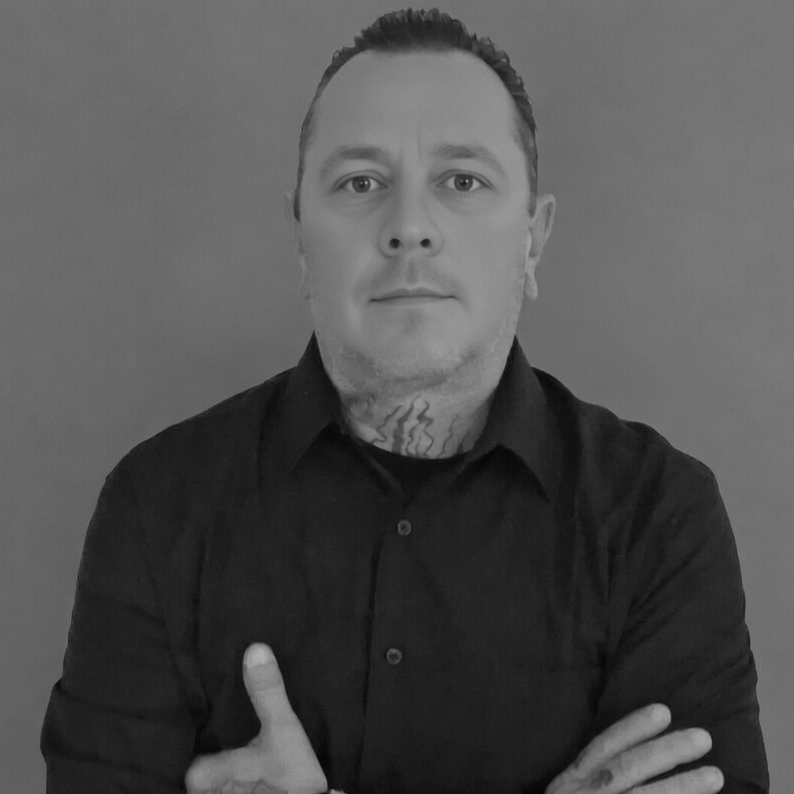
By Darren Smith, Arts Reporter
April 21, 2026
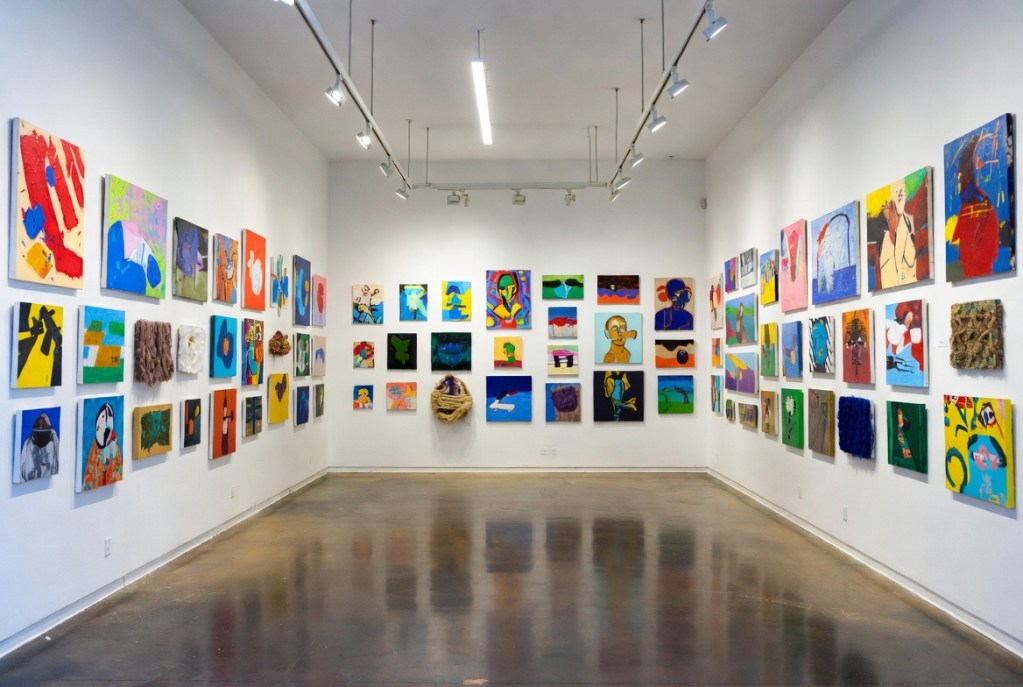
In a witty inversion of the art world’s established order, more than 80 gallerists, art dealers, and gallery employees have stepped out from behind the desk to become creators themselves. The exhibition Art (by) Dealers, organized by independent curator Kathy Huang and Long Story Short founder Will Leung, is on view at White Columns in New York through April 25, 2026. Every work measures precisely 12 by 9 inches, is priced at a fixed $500, and is offered for sale completely anonymously. All proceeds directly support White Columns’ vital programs for emerging and underrepresented artists.
This clever role reversal upends the familiar charity auction model, in which artists are routinely asked to donate works while dealers orchestrate the sales. Here, the dealers themselves pick up the tools of creation—some returning to long-dormant studio practices, others trying their hand for the first time in decades. The result is a lively, egalitarian salon-style installation that playfully exposes the fluid, often blurred boundaries between commerce and creativity in the contemporary art ecosystem.
The concept originated in 2023 when Huang and Leung mounted the first iteration at Long Story Short as a benefit for the Lower East Side Girls Club. The 2026 edition at White Columns—New York’s oldest alternative nonprofit space, founded in 1970—expands the project with newly commissioned pieces and a wider network of participants drawn from the organizers’ extensive contacts. Huang captured the spirit of the show: “We were talking about how all of our artist friends were constantly being asked to donate work for a benefit or charity auction. And we thought it would be funny if we would ask dealers to do it instead.”
Participating dealers include prominent figures such as Stefania Bortolami, Gavin Brown, Eric Firestone, Leo Fitzpatrick, Anton Kern, Wendi Norris, and Rachel Uffner, alongside established names like Jeffrey Deitch. The roster also features individuals who straddle dual identities, including artist-dealer Sam Gordon of Gordon Robichaux and Jacqueline Cedar, who operates the roving exhibition space Good Naked while maintaining an active painting practice.
White Columns director Matthew Higgs played an instrumental role in rallying the community. The exhibition also references the venue’s own history: in 2007, White Columns presented Early Work, which showcased early pieces by artists who later became influential dealers, including Gavin Brown and Jeffrey Deitch. Art (by) Dealers cleverly inverts that premise, inviting today’s dealers to reveal—or rediscover—their own artistic impulses.
Uniform Format, Diverse Voices
Organizers provided only one strict guideline: all works must be 12 by 9 inches. Beyond that, participants enjoyed complete freedom in medium and approach. The resulting display encompasses paintings, photographs, collages, ceramics, mixed-media constructions, fiber works, and more. Anonymity heightens the intrigue. Buyers select pieces without knowing the maker’s identity, creating an equalizing marketplace where a seasoned dealer’s sophisticated composition sits beside a novice’s earnest debut.
During the opening, visitors delighted in attempting to attribute works, with guesses frequently proving incorrect. Some participants reportedly enlisted artists they represent to assist in production, adding another layer of playful concealment. Jack Hanley, who launched his career as an artist before building a 30-year gallery practice and recently returned to painting after retiring in late 2024, represents one end of the spectrum. At the other, Margaret Lee—co-founder of the influential former 179 Canal gallery—stepped away from dealing in 2023 to devote herself fully to painting. Though initially hesitant about joining a “dealers” exhibition, she participated to bolster White Columns at a time when support for emerging artists faces increasing challenges. “In these times, it’s becoming harder and harder for artists to find that support,” Lee remarked.
The broad mix of experience levels—multi-hyphenate MFA graduates alongside hobbyists and first-time makers—generates refreshing egalitarianism. Huang embraced the diversity: “We wanted to embrace there being a mix of skills and experiences across the group of dealers.” Enforcing deadlines presented an ironic twist; organizers accustomed to pursuing artists for exhibitions found themselves chasing busy dealers, with several works arriving just in time for the opening.
The salon-style installation fills White Columns’ galleries with an energetic array of color, texture, and concept. A cascading red fiber piece draws the eye on one wall, while nearby hang bold abstractions, intimate figurative studies, and quietly conceptual gestures—all unified by the modest format. An online viewing room and store enable remote engagement, operating on a strict first-come, first-served basis with no previews, holds, or returns. Buyers cover shipping and applicable taxes. As the exhibition enters its final week, a 50% discount has been applied to remaining works when added to the cart, accelerating sales and broadening access.
Challenging Power Structures with Humor and Insight
Art (by) Dealers gently probes the art world’s entrenched hierarchies. Dealers traditionally wield considerable influence—shaping careers through representation, pricing strategies, and market access. In this context, they assume the vulnerable position of creators whose works must stand on their own merit at a deliberately accessible price point. Anonymity strips away name recognition and prestige, democratizing the viewing and buying experience.
The exhibition underscores how deeply intertwined commerce and creativity remain in the field. Many dealers hold MFA degrees or quietly maintain studio practices. For some, the demands of running a gallery had sidelined personal making; for others, the project offered a rare opportunity to reconnect with the visual language that first drew them to the industry. Lee’s transition from dealer to full-time artist illustrates the tension: gallery operations had increasingly disrupted her painting time, ultimately prompting a decisive shift to the studio.
Critics and audiences have responded warmly to the show’s humor, humility, and underlying seriousness. It reveals the human dimension behind the often opaque machinery of the art market. Certain pieces subtly nod to dealers’ daily realities—market pressures, client preferences, or exhibition logistics—while others pursue purely personal or experimental directions. One standout mixed-media work by Anonymous Dealer No. 90, for instance, invites speculation through its rich layering and textural complexity.
Huang expressed hope that the project might reignite dormant artistic practices among participants: “I can’t confirm, but I hope so.” For veterans like Hanley, it provided a welcome homecoming. For newcomers, it delivered validation within a supportive, low-stakes environment. Proceeds advance White Columns’ longstanding mission of presenting ambitious exhibitions, public programs, and opportunities for voices traditionally marginalized in mainstream circuits.
Historical Echoes and Contemporary Relevance
The notion of the art dealer as artist is not unprecedented, yet modern professionalization has often rigidified the separation of roles. Art (by) Dealers revives a more integrated perspective, echoing the artist-run initiatives and fluid collaborations of earlier eras. In today’s high-stakes, auction-dominated landscape, the exhibition offers a refreshing counter-narrative. By capping prices at $500, it prioritizes accessibility over speculation. The benefit structure emphasizes community impact rather than individual profit, aligning seamlessly with White Columns’ nonprofit ethos.
The timing feels particularly resonant. Discussions about equity, sustainability, and support for emerging talent have intensified amid economic pressures and shifting market dynamics. By mobilizing dealers to contribute creatively rather than financially alone, the show cultivates empathy and reciprocity across the ecosystem. Organizers transformed their professional networks into a collective studio, fostering unexpected camaraderie and shared purpose.
Visitors depart with more than the possibility of acquisition; they carry fresh insight into the personalities shaping the industry. Dealers, frequently viewed as gatekeepers or facilitators, here display creativity, vulnerability, humor, and genuine passion. The guessing game transforms passive observation into active, communal engagement.
A Replicable Model for the Future
Art (by) Dealers sets a compelling precedent that other nonprofits and institutions might adapt. The format—clear constraints, anonymity, modest pricing, and direct community benefit—proves both engaging and effective. Its strong sales, positive critical reception in outlets including Artnet and Artforum, and widespread social media attention demonstrate that thoughtful, lighthearted concepts can yield meaningful results.
As the show approaches its closing date, a sense of urgency prevails. With no returns or exchanges permitted and sales handled strictly on arrival, decisions must be swift. The online component has successfully extended participation beyond those able to visit 91 Horatio Street in person.
At its core, Art (by) Dealers celebrates hybrid identities in an era when rigid professional labels feel increasingly outdated. Dealers who create art remind us that a deep appreciation for visual expression often motivates entry into the field—whether one ultimately chooses the path of maker or mediator. The exhibition stands as both playful experiment and substantive commentary: it humanizes a sometimes opaque industry while channeling tangible resources toward the next generation of talent.
In a competitive and occasionally mystifying art world, this transparent, anonymous sale delivers clarity, joy, and genuine support. It proves that even the most established figures can embrace vulnerability—and that doing so can strengthen the entire community.
Darren Smith is an arts journalist, practicing artist, and tattooist with 26+ years of experience across traditional, digital, and body art practices. He covers the intersections of craft, culture, and collecting for ArtChain News.
“This article uses some AI-generated illustrative images to visualize the exhibition. All factual reporting, quotes, and analysis are based on human research and sources.”