Mural of Cesar Chavez painted over at well-known SF home after allegations of sexual abuse
San Francisco’s Mission District, a vibrant hub of Latino culture and history, witnessed a poignant act of reckoning this week when a prominent mural featuring civil rights icon César Chávez was painted over. The decision, made by the building’s owner and assisted by a longtime muralist, marks one of the most visible early responses to explosive allegations of sexual abuse against the late labor leader.
The mural adorned the facade of the Latin Rock Music House at the corner of 25th and York streets, a beloved venue long known for hosting legendary Latino performers and celebrating icons of Chicano and Latin American heritage. Part of a larger artwork depicting various Latin greats, Chávez’s likeness had been a fixture there for years.
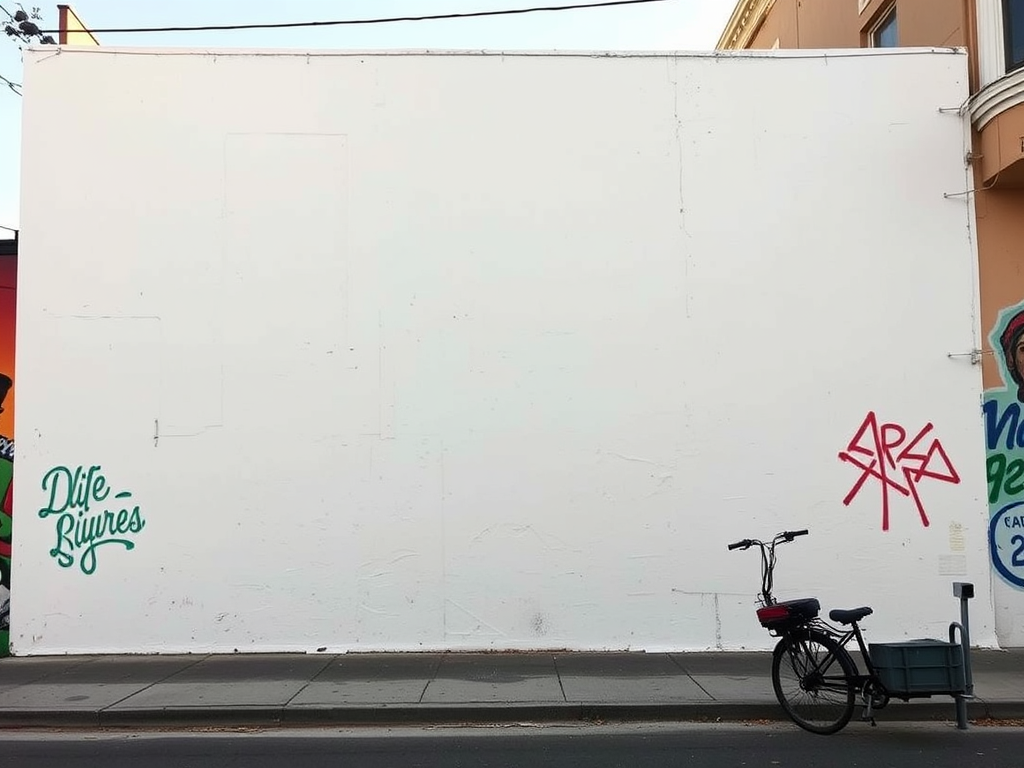
On Wednesday morning, March 19, 2026, homeowner Richard Segovia—along with artist Carlos “Kookie” Gonzalez—covered over the section portraying Chávez with white paint, leaving a stark blank space where the image once stood.
Segovia explained his swift action: “I did this to let everyone know. Let’s get the ball rolling. Let’s start right here and get this done.” Gonzalez, who has depicted Chávez in multiple murals over the past three decades, echoed the sentiment, stating that the allegations and their confirmation made continuing to honor him in this way untenable. “In light of the allegations and confirmation of them, none of this is okay,” Gonzalez said.
The move comes in the immediate aftermath of a detailed investigative report published by The New York Times, which brought forward allegations that Chávez sexually abused women and girls associated with the United Farm Workers (UFW) movement he co-founded. Among the accusers is labor icon Dolores Huerta, a co-founder of the UFW, who has spoken publicly about her experiences for the first time in related coverage.
The San Francisco action is part of a rapidly unfolding statewide and national reassessment of Chávez’s legacy. Similar steps have included:
- Universities such as Sonoma State and Fresno State covering or removing Chávez-related artwork and statues.
- Artists in Los Angeles, including in Watts, repainting murals to replace Chávez’s image with Huerta’s.
- Calls from city leaders in places like San Jose and El Paso to rename landmarks bearing his name.
- Broader discussions about reimagining public monuments to focus on farmworkers’ rights, women in the movement, and collective achievements rather than individual figures.
While Chávez remains celebrated for his pivotal role in organizing farmworkers, securing better wages and conditions, and advancing civil rights for Latino communities in the 1960s and 1970s, these allegations have prompted many to confront the complexities of honoring flawed historical figures.
The blank wall in the Mission District now stands as a symbolic starting point in this conversation—one that highlights both the pain of unaddressed harm and the ongoing commitment to justice within the communities Chávez once helped empower.
As California grapples with these revelations, the pace of change—from painted-over murals to renamed streets—suggests a profound shift is underway, prioritizing survivor voices and a more inclusive telling of labor history.