Balancing Tradition and AI in Tattoo Design
By Darren Smith, Arts Reporter
April 28, 2026
In the humming studios of tattoo parlors across the United States and beyond, a quiet revolution is underway. Artificial intelligence is no longer a futuristic curiosity but a practical companion in the creative process, helping artists brainstorm, refine concepts, and accelerate workflows—yet the human hand and artistic vision remain irreplaceable at the needle’s edge.
As tattoos continue their journey into the mainstream, with cultural acceptance at an all-time high, professionals are adapting to AI in tattooing without surrendering the soul of the craft. This balance of innovation and tradition defines the current moment, where tools like generative image software spark ideas but skilled artists execute the final, living art on skin.
Mike Cruz, a veteran tattoo artist based in Houston, Texas, exemplifies this hybrid approach. “I upload my work and tell AI to critique me,” Cruz explained in a recent interview. “You can get private, technical feedback. I’d rather use it for criticism and ideas rather than creating full artwork.” For Cruz, AI serves as a mirror, highlighting composition flaws or suggesting variations that enhance his hand-drawn designs.
This sentiment echoes across the industry. In Charleston, South Carolina, artist Betsy Butler (often associated with Nidum Studios) used AI to generate a reference photo for a client seeking a three-quarter view of an old van. From that starting point, Butler meticulously drew the design in her signature style before applying it to skin. “AI can assist, but it shouldn’t replace an artist’s work,” she emphasized. The distinction is critical: technology handles preliminary visualization, while human expertise ensures the tattoo ages gracefully, conforms to body contours, and carries emotional weight.
Industry reports and artist testimonials confirm AI’s growing role in streamlining what once took hours. Tools such as Adobe Firefly and BlackInk AI allow rapid iteration on concepts, from traditional flash to hyper-realistic portraits. A 2025 analysis noted that artists incorporating these platforms saw a roughly 40% reduction in initial concept creation time, freeing hours for client consultation and actual tattooing.
Yet adaptation comes with caveats. Many established artists actively “fight AI influence” in final designs. They worry that over-reliance could erode foundational skills—understanding anatomy, mastering line weight, and intuitively adjusting for skin texture and movement. Newcomers who lean too heavily on generated images risk producing work that lacks depth or fails to heal properly on the body.
Stefan Götze, owner of Alpha Tattoos in Great Falls, Montana, highlighted both the promise and peril: “You can literally draw something up, put it in a program, and change things up so quickly.” However, he cautions that fundamental drawing skills must come first. AI excels at quick visualizations and client adjustments but cannot replicate the tactile knowledge gained through years behind the machine.
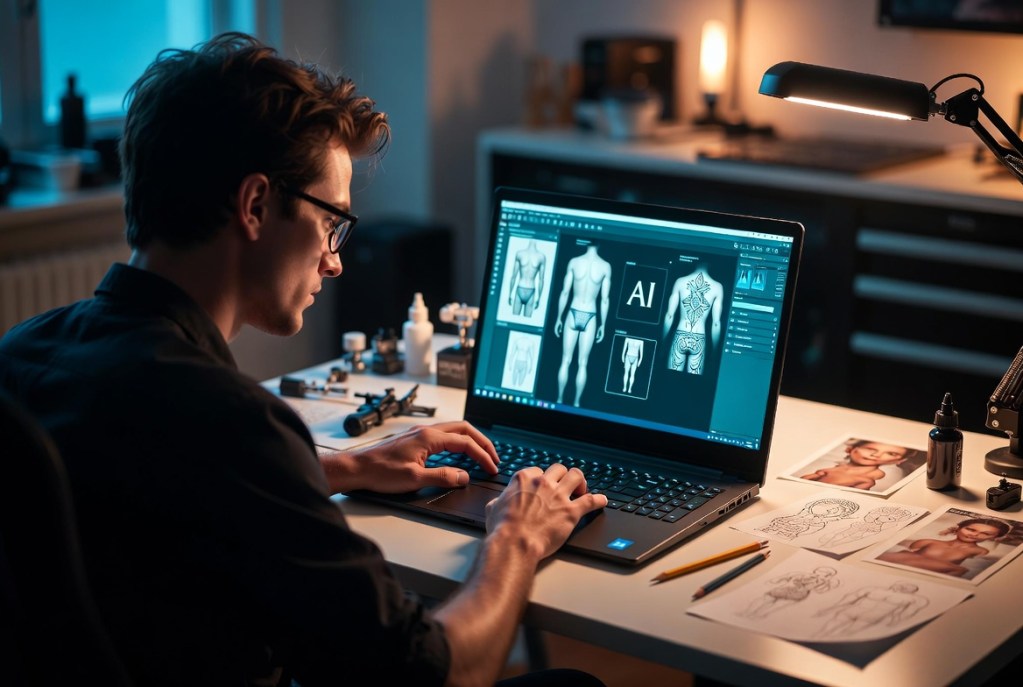
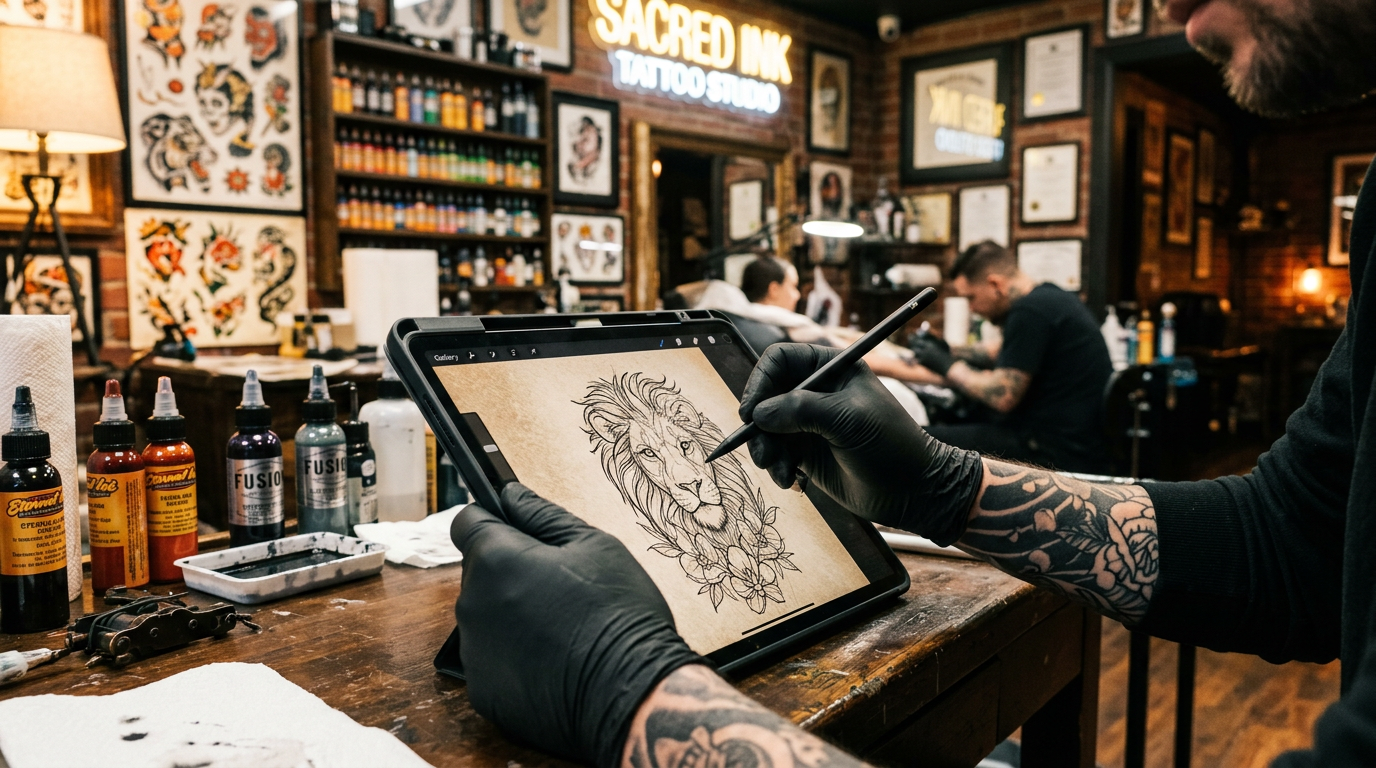
This image captures a modern artist at his workstation, blending laptop-based AI assistance with traditional flash sheets—symbolizing the industry’s evolving workflow.
The debate intensified as clients increasingly arrive with AI-generated designs pulled from free tools like Canva’s tattoo generator or Midjourney prompts. Some studios politely redirect these, explaining why a prompt-crafted image may not translate well to permanent ink. Others experiment with AI for unprecedented detail before refining by hand.
Ethical and artistic concerns also loom large. Generative AI draws from vast datasets of existing artwork, raising questions of originality and credit. Tattoo artists, long protective of their styles, now navigate a landscape where “in the style of” prompts can mimic signatures. Many advocate for transparent use: AI for ideation, human hands for creation.
Despite challenges, the consensus among forward-thinking professionals is optimistic. iPads once disrupted stencil work; digital tablets followed. AI represents the next evolution, one that, when wielded thoughtfully, amplifies rather than diminishes talent. Conventions in 2026 increasingly feature panels on “AI as Assistant,” signaling institutional acceptance.
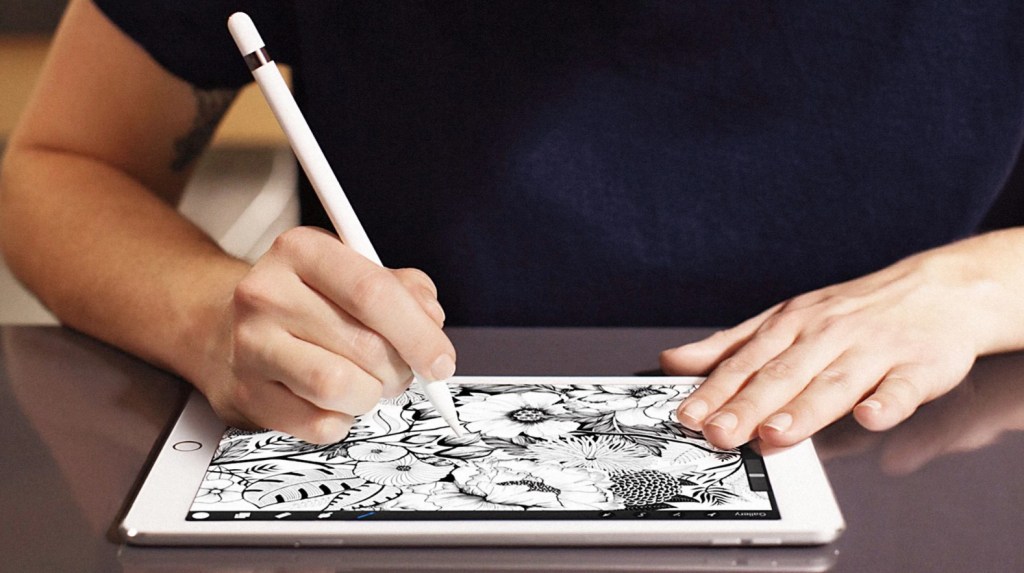
A classic comparison demonstrates the enduring power of manual artistry that AI supports but cannot supplant.

This stunning example showcases the final human-executed piece—depth, shading, and lifelike quality achieved through skilled needle work.
Experts predict continued integration. Booking software with AI scheduling, augmented reality previews for placement, and advanced stencil generators are already in use. Yet the core remains unchanged: the intimate collaboration between artist and client, the steady hand guiding the machine, and the indelible mark of human creativity.
As one studio owner put it, “AI is here whether we like it or not. The question is where it belongs.” For now, it belongs in the preparatory phase—sparking imagination while artists preserve the irreplaceable elements of craft, emotion, and precision that define exceptional tattoo art.
Are you a tattoo artist experimenting with AI, or a client curious about the process? Share your experiences in the comments below for community discussions and artist directories.