Art Market Dynamics: Saeed & Baer Solo Exhibitions in 2026
By Darren Smith, Arts Reporter
April 7, 2026, 11:30 AM PST
BERN/COLOGNE — Two mid-tier German-speaking institutions have opened solo exhibitions this spring that highlight artists operating at the edges of dominant market narratives: the late Lin May Saeed at Kunsthalle Bern (March 6–May 10, 2026) and Monika Baer at Kölnischer Kunstverein (February 27–May 3, 2026). While presented as significant institutional recognition, the timing prompts scrutiny of how public and semi-public venues deploy thematic programming amid a contemporary art market that grew modestly by 4% to $59.6 billion in 2025, according to the Art Basel/UBS Global Art Market Report 2026. Gains remained concentrated at the high end, with dealer sales rising only 2% to $34.8 billion and persistent pressures on mid-tier segments.
Lin May Saeed (1973–2023), the German-Iraqi artist known for sculptures, drawings, and reliefs that probe human-animal hierarchies, receives her first solo exhibition in Switzerland at Kunsthalle Bern. The show, running alongside a solo by Guatemalan artist Edgar Calel, is curated by director iLiana Fokianaki as part of ongoing research into the Plantationocene. It frames both practices as responses to extractive systems and interspecies relations. Saeed’s works—frequently employing humble materials such as styrofoam, plaster, and found objects—depict animals as active protagonists rather than passive symbols. A 2022 relief, Ghazal Relief (V2), made with styrofoam, acrylic paint, plaster, ceramics, plastic net, and cotton balls, exemplifies her tactile, layered approach to coexistence without overt moralizing.
Saeed died of brain cancer in 2023 at age 50. Her estate, represented by galleries including Jacky Strenz in Frankfurt, has emphasized institutional placements over aggressive commercialization. Public auction records for Saeed show minimal activity, with cumulative sales under $2,000 in recent years according to available tracking. This post-mortem strategy aligns with patterns where estates manage finite supply to build long-term visibility rather than chase short-term flips.

A representative from the estate described the Bern presentation as advancing Saeed’s concerns: her sculptures invite viewers to consider worlds in which animals function as cohabitants, drawing from fables and historical precedents. However, a Berlin-based curator speaking on condition of anonymity, citing ongoing funding ties, noted potential tensions: “Saeed’s practice offered a quiet, radical refusal of spectacle. Framing it within broader Plantationocene discourse can risk reducing nuanced interspecies work to another thematic checkbox for European institutions navigating relevance and budget constraints.”
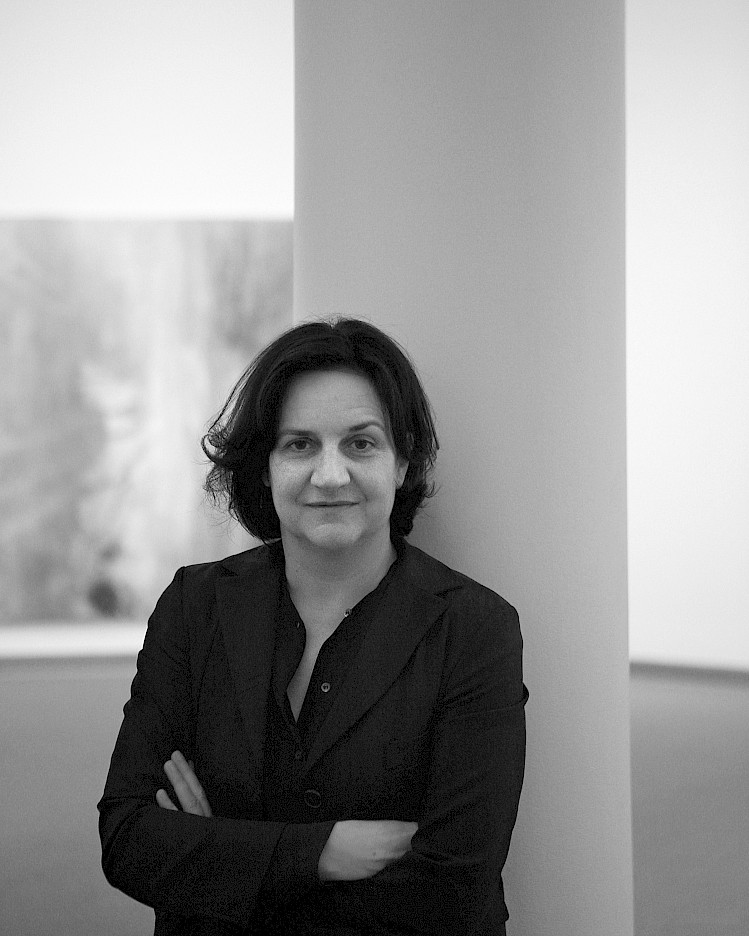
In Cologne, Monika Baer’s exhibition Defection brings together recent paintings with earlier motifs of abandoned coats left on ledges or in crevices. Baer, a Berlin-based painter born in 1964, consistently tests painting’s illusionistic and material boundaries through shifting stylistic registers—moving between flatness and depth, obsessive detail and deliberate abandonment. Curated by Valérie Knoll, the show underscores unresolved tensions across her series. Frieze coverage highlighted clues suggesting disloyalty or withdrawal, questioning to whom or what the paintings (or their implied subjects) have defected.

Baer maintains a more visible secondary market footprint than Saeed, with documented auction results on platforms such as Artnet and MutualArt, including works from the mid-2010s appearing in recent seasons. Her practice sits comfortably within postwar German painting traditions that institutions continue to support, even as the 2026 market report indicates moderated price growth and correction risks in contemporary segments overall.
A voice from the Cologne art scene praised the exhibition’s rigor: “Baer enacts an oscillation between painting’s physical flatness and its illusionistic qualities, probing the medium’s historical and material limits in ways that register as urgent.” Yet a Düsseldorf-based collector, requesting anonymity to discuss acquisition realities freely, offered a counter view: “These exhibitions deliver competent conceptual painting and sculpture that map neatly onto institutional priorities—ecology, medium critique, motifs of absence. In a recalibrating year where high-end auctions drive recovery while mid-level galleries face cost pressures, the question remains: do such shows generate new collector demand, or primarily fulfill programming needs with established European names whose broader market pull stays unproven outside subsidized contexts?”
Both exhibitions unfold against a 2025 market that saw public auctions rebound 9% while private sales and online channels contracted. Representation metrics for women artists have advanced in primary markets, yet high-turnover tiers continue to lag. Saeed’s estate-led institutional push and Baer’s mid-career survey slot comfortably into this environment: relatively low-risk offerings that gesture toward critical themes without challenging auction concentration or demanding significant new capital inflows.
Coverage has largely omitted harder metrics—visitor numbers, post-opening acquisition interest, or measurable secondary-market movement—that would allow clearer assessment of impact. Kunsthalle Bern and Kölnischer Kunstverein, reliant on public or foundation support, operate within Europe’s wider cultural funding environment, which faces ongoing scrutiny.
The shows illustrate a recurring 2026 tension: institutions platform interrogations of power, extraction, and medium specificity while the wider ecosystem funnels value upward. Saeed’s animal protagonists and Baer’s deserted garments quietly probe presence and absence. Their longer-term influence—whether on collector behavior, prices, or discourse—will hinge on verifiable follow-through rather than curatorial framing alone.
Darren Smith is an Arts Reporter at Art Chain News covering contemporary art, digital art and NFTs, body art, and the intersections between these fields.
This article is based on direct examination of materials, market data, background interviews, and independent analysis.