Zurich Transfers Ownership of 11 Looted Benin Bronzes to Nigeria
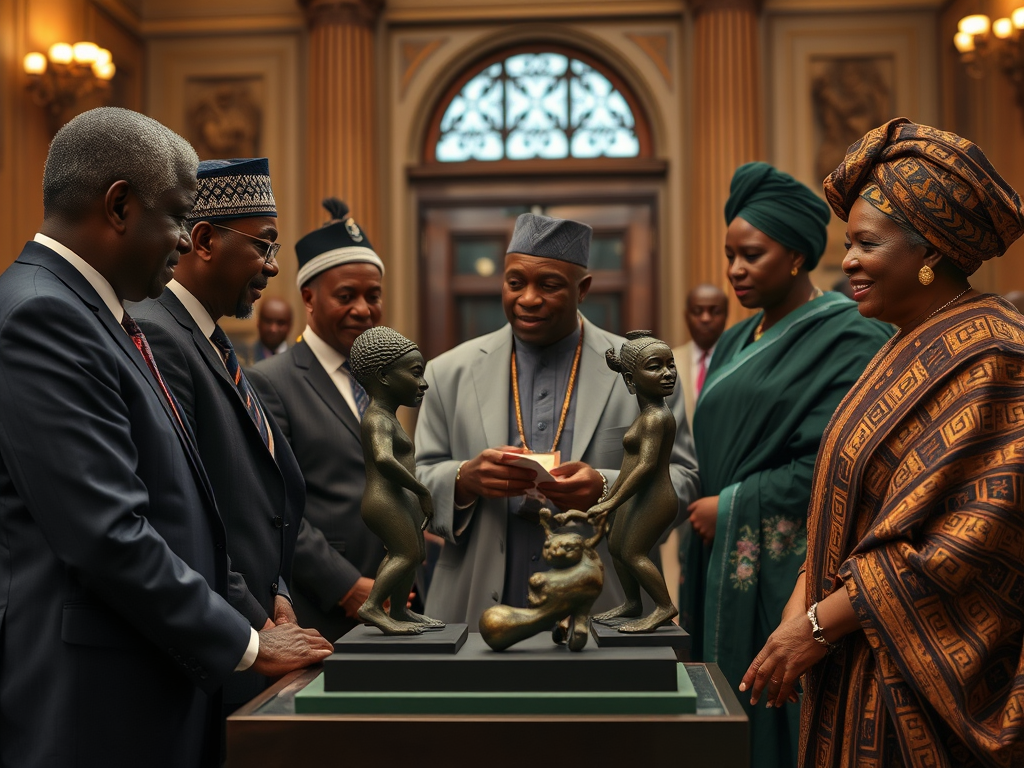
ZURICH — In a significant step toward addressing colonial-era injustices, the City of Zurich has formally transferred ownership of 11 Benin Bronzes held by the Museum Rietberg to the Federal Republic of Nigeria. The agreement was signed on March 20, 2026, at Zurich City Hall in the presence of representatives from Nigeria’s National Commission for Museums and Monuments (NCMM) and the Oba of Benin.
The artifacts, part of the broader collection of thousands of objects looted by British troops from the Royal Palace of the Kingdom of Benin (present-day Benin City, Nigeria) during the 1897 punitive expedition, have long been the subject of restitution claims. Nigeria submitted a formal request for the works in 2024, which the city and museum agreed to honor following provenance research conducted under the Benin Initiative Switzerland.
Of the 11 objects now under Nigerian ownership, two ritual pieces of particular cultural importance are expected to be physically transferred to Nigeria this summer. The remaining nine will remain on display in Switzerland on long-term loan, allowing continued public access while legal title rests with Nigeria.
This move aligns with similar actions by other European institutions, including Berlin’s Ethnologisches Museum and museums in the Netherlands. It forms part of a coordinated effort involving eight Swiss museums that have researched and begun returning Benin artifacts.
Corine Mauch, Mayor of Zurich, described the transfer as the city “actively rectifying past injustices.” NCMM Director General Olugbile Holloway welcomed the decision as a step toward healing colonial legacies and restoring cultural heritage to its rightful owners.
The University of Zurich’s Ethnographic Museum simultaneously transferred ownership of 14 additional Benin objects, while Geneva’s Musée d’ethnographie returned three, bringing the Swiss total to 28 artifacts. Physical returns and further repatriations are anticipated throughout 2026.
This development underscores the growing global momentum for museums to confront the colonial origins of their collections and engage in ethical restitution practices.
The story reflects ongoing international dialogue about cultural property, historical accountability, and collaborative heritage management between European institutions and African nations.