Joe Capobianco on Tattoo Trends: A Warning for Modern Artists
By Darren Smith, Arts Reporter
April 17, 2026
Renowned tattoo artist Joe Capobianco, a veteran with over three decades in the industry, recently shared pointed criticism of contemporary tattoo styles during a convention interview. Speaking at a major tattoo event, Capobianco highlighted concerns that many modern designs, particularly fine line and micro tattoos, may not stand the test of time. He also took aim at social media’s role in diminishing originality in the craft.
Capobianco, known for his bold color work and signature pin-up designs at Hope Gallery Tattoo in New Haven, Connecticut, has built a reputation for pieces that retain clarity and impact years after application. In the interview, he contrasted his approach with current trends dominating Instagram and other platforms.
“Fine line and micro tattoos look incredible fresh out of the chair,” Capobianco noted. “But skin changes. Ink spreads. Those delicate, hair-thin lines often blur into a soft smear over time, losing the crisp detail clients loved on day one.”
Experts in tattoo longevity echo this view. Fine line work deposits less ink with minimal saturation, making it vulnerable to natural skin aging, sun exposure, and body movement. Micro tattoos, often smaller than a coin, face even greater challenges as tiny details can fade or merge within five to ten years. In contrast, bolder traditional styles with heavier line weight and solid color packing tend to hold their form far better.
Examples of fresh fine line and micro tattoos: delicate lines create an elegant, minimalist look immediately after healing.
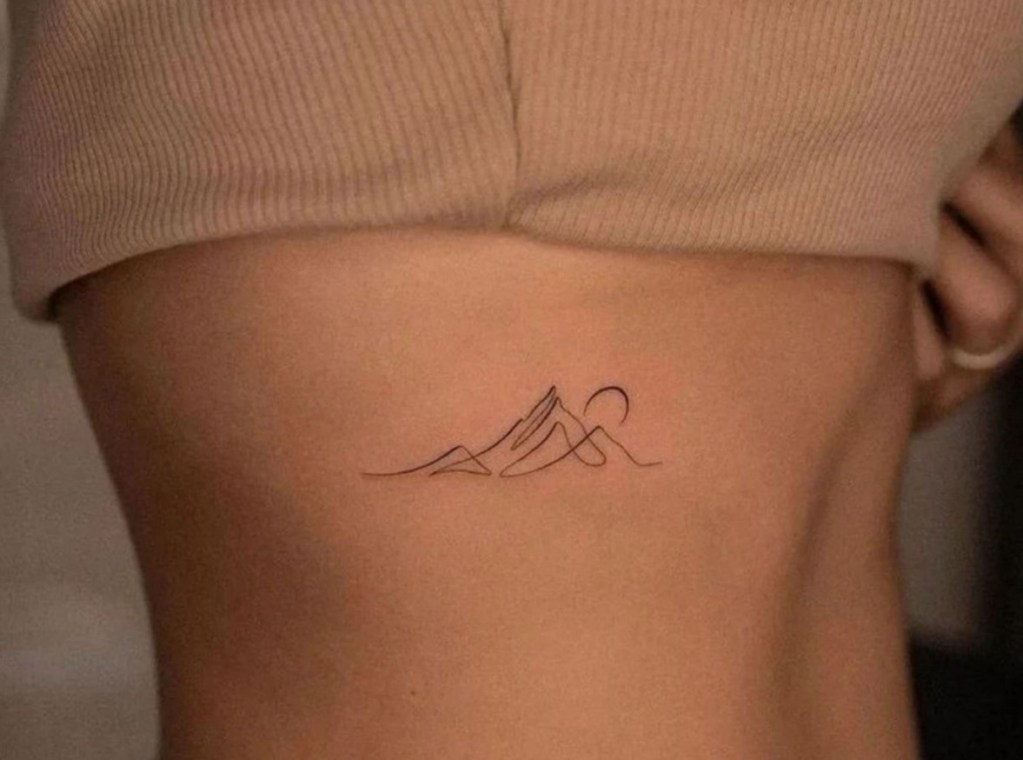

Capobianco pointed to his own portfolio and classic flash designs as evidence. Tattoos he created 20 or more years ago still display strong outlines and vibrant colors today. He emphasized the value of traditional techniques, including proper needle depth, ink formulation, and spacing that accounts for long-term healing.
The artist reserved some of his strongest comments for social media’s influence. Platforms accelerate the spread of new styles, allowing trends to go viral overnight. While this democratizes access to inspiration, Capobianco argued it fosters rapid copying that erodes uniqueness.
“Social media is the best and worst thing for tattooing,” he observed. “It spreads art fast, but everyone copies the same look before it can develop into something personal. What starts as fresh quickly becomes generic. True character comes from developing your own voice, not chasing likes.”
This criticism aligns with broader industry discussions. Before the internet era, artists discovered influences through magazines, conventions, and word of mouth. Styles evolved slowly, allowing individuality to flourish. Today, algorithms reward similar content, pressuring newer artists to replicate trending aesthetics rather than innovate.
Joe Capobianco, a legendary figure in American tattooing, continues to advocate for craftsmanship that lasts.

Capobianco stressed the importance of educating clients about longevity. Many enter studios requesting trendy micro or fine line pieces seen online, unaware of how they may appear a decade later. He advocates for honest conversations about placement, skin type, and lifestyle factors that affect healing.
“Artists know perspective, depth, and how ink behaves in skin,” he said. “Part of our job is guiding collectors toward work they’ll still love years from now, not just something that photographs well today.”
Supporters of fine line styles counter that when executed by skilled hands—with proper line weight variation and quality ink—some pieces age gracefully. However, even proponents acknowledge that these designs demand higher technical precision and may require occasional touch-ups.
Aged fine line examples often show blurring and loss of detail over years, compared to fresh application.

Capobianco highlighted the enduring appeal of physical flash sheets and convention culture. These mediums preserve history and encourage originality beyond digital filters. He noted that tattoos meant to last a lifetime deserve the same respect as any lasting artwork.
The interview has sparked lively debate within the tattoo community. Some praise Capobianco for defending traditional values in an industry experiencing rapid growth and commercialization. Others defend modern minimalism as a valid evolution reflecting contemporary aesthetics and personal expression.
Regardless of perspective, the conversation underscores a core truth in tattoo art: the medium is permanent, but trends are fleeting. Clients and artists alike benefit from considering how a piece will evolve with the body over decades, not just how it appears in a perfectly lit social media post.
Capobianco’s message resonates as tattooing enters another era of popularity. With conventions drawing record crowds and new artists entering the field daily, calls for prioritizing craft over virality grow louder. His own work serves as a living testament: bold, intentional tattoos created with longevity in mind continue to tell their stories clearly long after the initial excitement fades.
As the industry navigates social media’s double-edged sword, voices like Capobianco’s remind practitioners and collectors that true tattoo art transcends momentary trends. It becomes part of a person’s identity—a mark that should improve, or at least endure, with age.
Darren Smith is an Arts Reporter at Art Chain News covering contemporary art, digital art and NFTs, body art, and the intersections between these fields.