Venice Biennale 2026: Art Amid Political Tensions
By Darren Smith, Arts Reporter
May 13, 2026
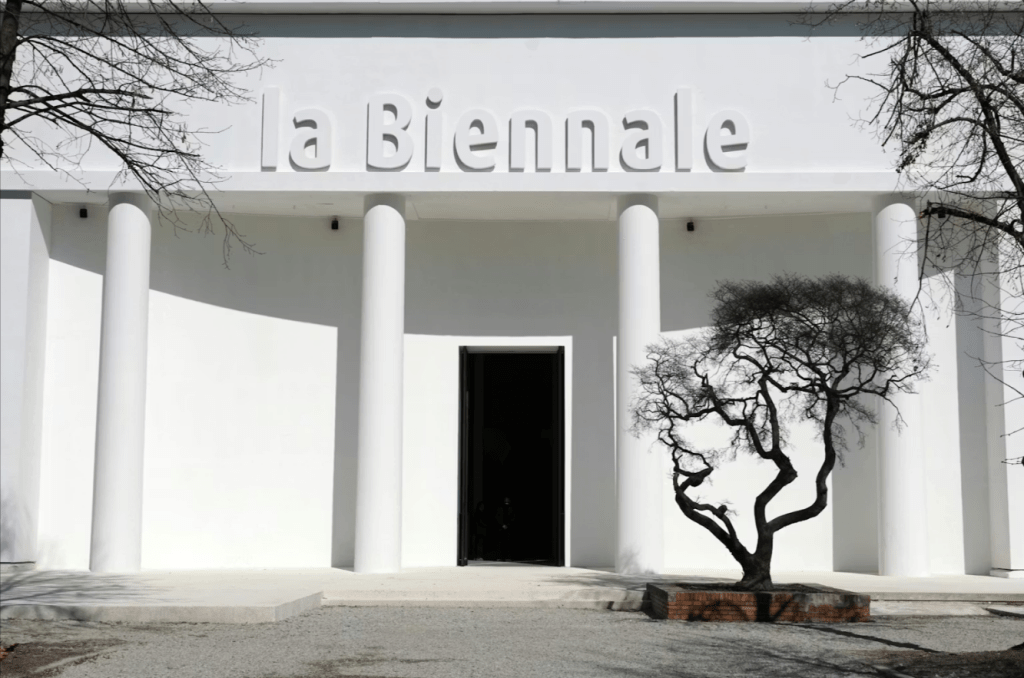
The 61st Venice Biennale, titled In Minor Keys and realized posthumously from the vision of the late curator Koyo Kouoh, opened on May 9 amid significant political tension. Intended as a reflection on resilience, scarred earth, gardens, and quiet perseverance, the exhibition has instead highlighted geopolitical fractures, representation debates, and power dynamics in global art. The Iran and Somalia pavilions have emerged as focal points of fresh controversy.
Iran’s Pavilion: Withdrawal Announced, but Commissioner Denies Full Exit
On May 4, Biennale organizers released a brief statement announcing that the Islamic Republic of Iran would not participate, reducing national pavilions to 100. No artists, curatorial concept, or detailed explanation accompanied the notice.
Iran’s pavilion commissioner, Mahdizadeh Tehrani (general director of visual arts at the Ministry of Culture and Islamic Guidance), rejected the withdrawal narrative. He stated that negotiations continue and Iran remains determined to participate, even if not for the full duration. The ambiguity, coming amid heightened Middle East tensions, has sparked speculation about diplomatic signaling or strategic absence.
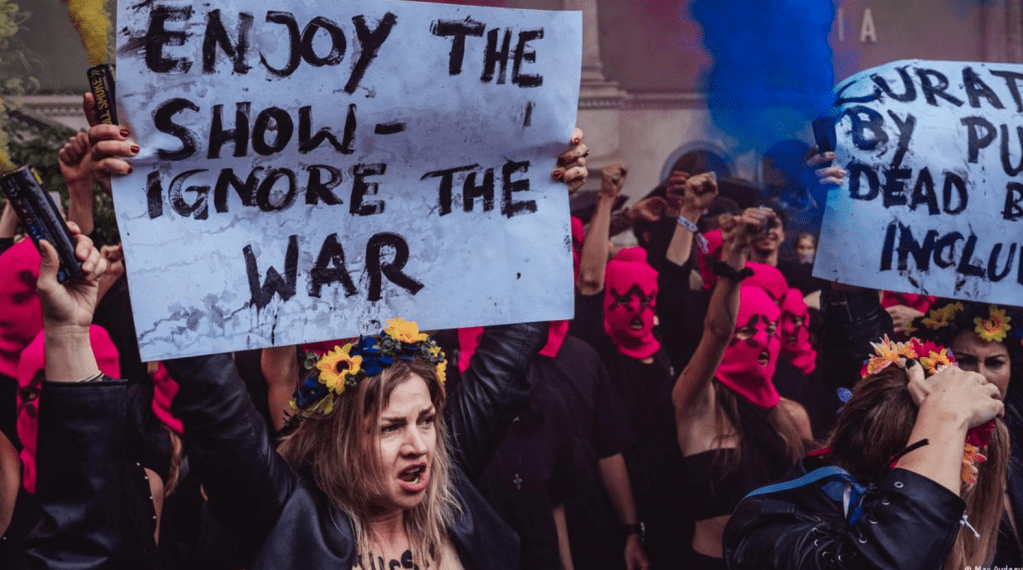
This fits the Biennale’s broader turmoil: jury resignation over Russia and Israel considerations, artist protests and strikes (including solidarity actions for Palestine), and canceled Golden Lion elements. Iran’s case amplifies questions about art’s role when politics overrides cultural exchange.
Somalia’s Historic Debut Pavilion: Diaspora Focus Sparks Local Backlash
Somalia’s first-ever national pavilion, titled SADDEXLEEY (evoking triadic Somali poetic forms), is housed at Palazzo Caboto. Curated by Mohamed Mire and Italian project manager Fabio Scrivanti, it features diaspora artists Ayan Farah (Somali-Swedish, textiles and materials), Asmaa Jama (Somali-Danish, film and performance), and poet Warsan Shire (Somali-British). The show explores memory, displacement, oral tradition, and resilience.

A coalition of Somalia-based organizations—including the Somali Arts Foundation (SAF), Arlo Artspace, Shineemo Banaadir, and Baciid Center—issued statements declaring: “This pavilion does not speak for us.” They criticize the lack of meaningful consultation with local artists and institutions rebuilding cultural infrastructure after decades of conflict. Critics also highlight the Italian co-curator’s involvement, citing Italy’s colonial history in the Horn of Africa, and call for greater transparency and inclusion.

Pavilion organizers have noted collaborations with some Somalia-based artists (e.g., Mogadishu painter 4C) and additional programming, but responses to core demands remain limited.
Broader Implications
These cases expose tensions in the nation-pavilion model at Venice, especially under Kouoh’s In Minor Keys framework of subtle resistance and healing. Iran’s situation tests cultural diplomacy’s limits; Somalia’s raises questions of whose voices define “national” representation in the diaspora era.
As the Biennale runs through November 22, developments in both stories will continue to unfold, offering powerful commentary on art’s entanglement with global realities.
- Official Biennale statement on Iran: https://www.labiennale.org/en/news/islamic-republic-iran-will-not-participate
- Somalia Pavilion details: https://www.labiennale.org/en/art/2026/somalia-federal-republic
The art world is closely watching these unfolding stories. What are your thoughts on national representation, diaspora voices, and geopolitical influences at events like the Venice Biennale? Share in the comments or on social media with #VeniceBiennale2026 to contribute to these vital conversations.
Cover image is Ai generated