Louvre’s New Director Faces Major Security Challenges
PARIS — As Christophe Leribault steps into the role of director of the Musée du Louvre, he inherits not only the world’s most visited museum but also one reeling from profound institutional trauma. Appointed by President Emmanuel Macron in late February following the abrupt resignation of predecessor Laurence des Cars, Leribault confronts a legacy of security lapses, infrastructure decay, and staff discontent.
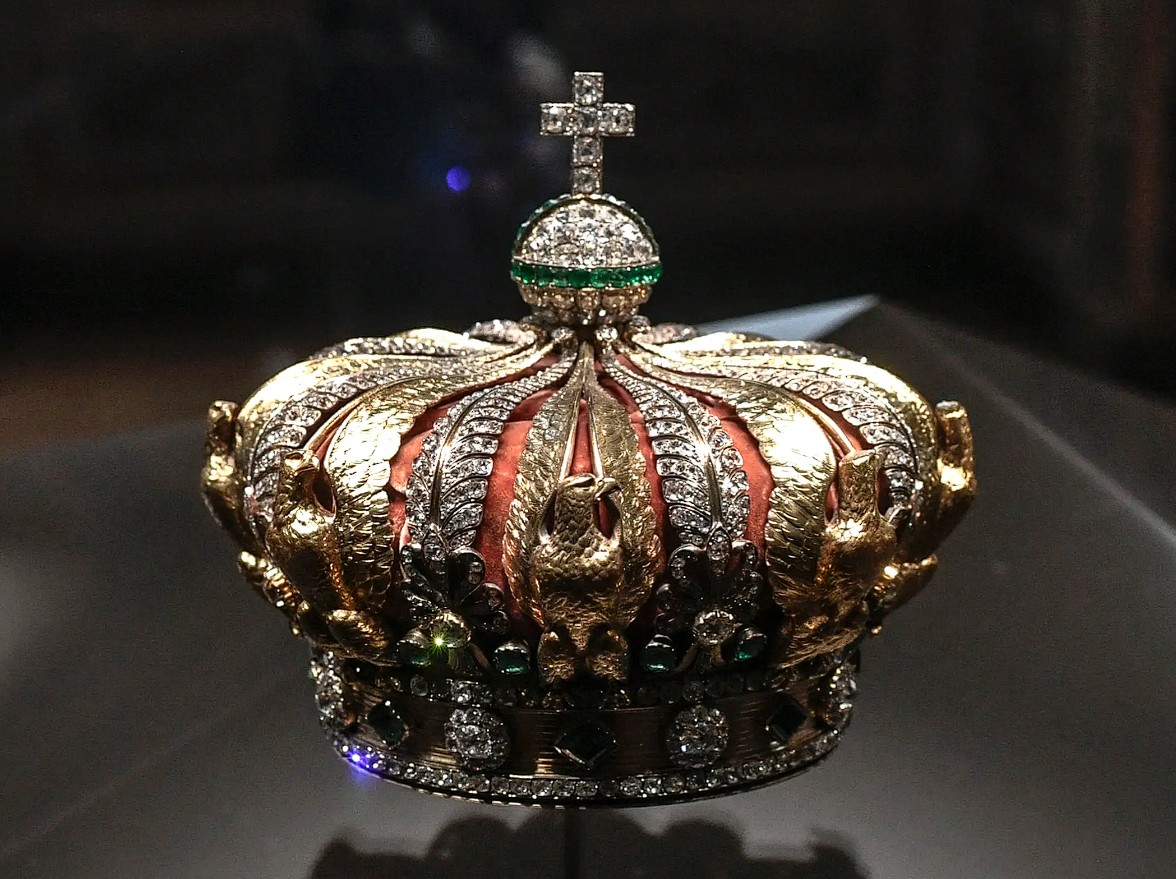
The catalyst was last October’s audacious crown jewels heist, which exposed critical vulnerabilities in the historic palace. Thieves made off with priceless artifacts, prompting scathing audits from the Cour des Comptes and parliamentary inquiries. Reports highlighted neglected security upgrades, with less than 0.3% of the budget allocated to protection measures, while management prioritised ambitious — and costly — projects over maintenance.

Leribault, 62, brings a steady hand and deep institutional knowledge. A respected art historian, he previously led the Château de Versailles, the Musée d’Orsay, and earlier served six years at the Louvre itself in its graphic arts department. Colleagues describe him as modest, attentive to staff, and capable of innovative programming that boosted attendance at previous institutions.

Yet challenges run deep. The museum’s infrastructure is described by insiders as partially “derelict,” with maintenance halted for years amid leaks, structural issues, and overcrowding. Staff unions staged repeated strikes protesting working conditions and ticket price hikes for non-European visitors. Morale plummeted under what critics called an autocratic style focused on grand visions, including a controversial subterranean expansion around the Mona Lisa estimated at hundreds of millions of euros.
Macron has tasked Leribault with “appeasement” — restoring trust, prioritising €480 million in technical masterplans for safety and modernisation, while navigating political pressures around the new entrance project. Louvre staff reportedly breathed a sigh of relief upon his arrival, citing his familiarity and human touch.
Whether Leribault can mend the fractures, balance heritage preservation with necessary upgrades, and safeguard the Louvre’s global stature remains the defining question of his tenure. In a institution that symbolises French cultural excellence, the stakes could hardly be higher.


