Traditional Artist Navigates Digital Shift Through NFTs
Arthur, a second-generation professional artist who signs his work as Lukar and operates online as @painterargon, exemplifies the ongoing convergence of traditional craftsmanship and blockchain-based digital art.
Born into an artistic family, Lukar holds formal training in arts and crafts. Since 1993 he has created oil paintings, drawings, and graphic design projects while also producing handcrafted silver jewelry incorporating copper, silver, enamel, leather, wood, and semi-precious stones. His professional graphic design portfolio spans more than 15 years, covering branding, print, outdoor advertising, and exhibition work. An admitted introvert, he maintains a low public profile yet remains active in both physical and digital creative communities.
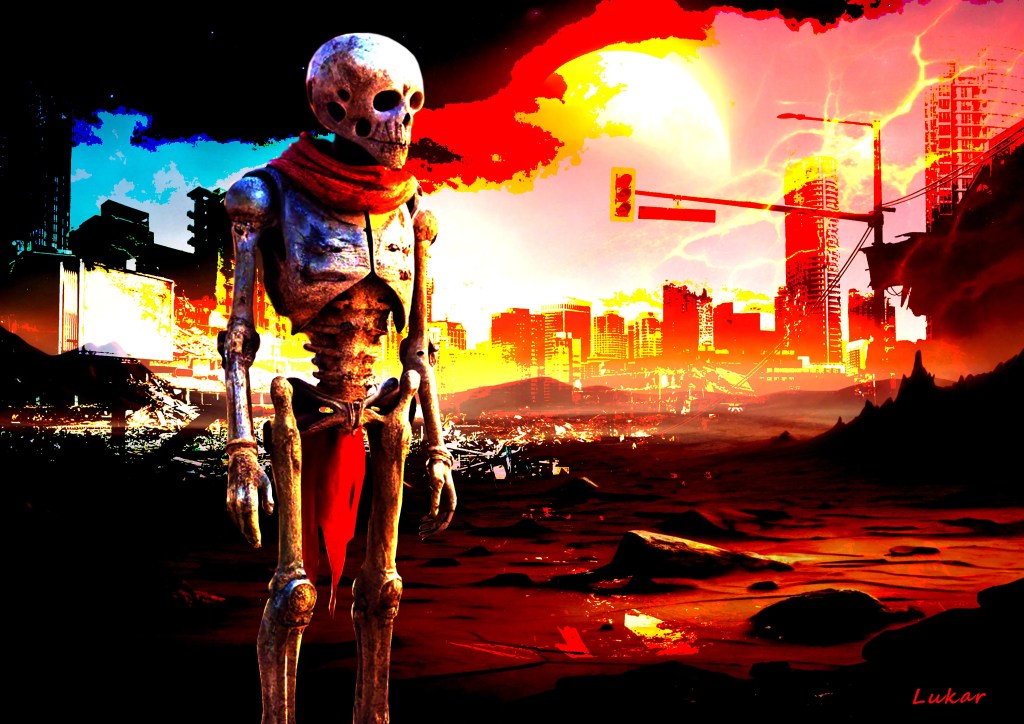
Lukar entered the NFT space in 2022, releasing works across several platforms. His collections appear on Objkt.com (including a black-and-white series and an exclusive collection), Exchange.Art, Foundation, and Manifold. One series, titled LIMBRAID and hosted on the XRP Ledger marketplace XRP.cafe, draws directly from his longstanding interest in the boundary between tangible and virtual realms.
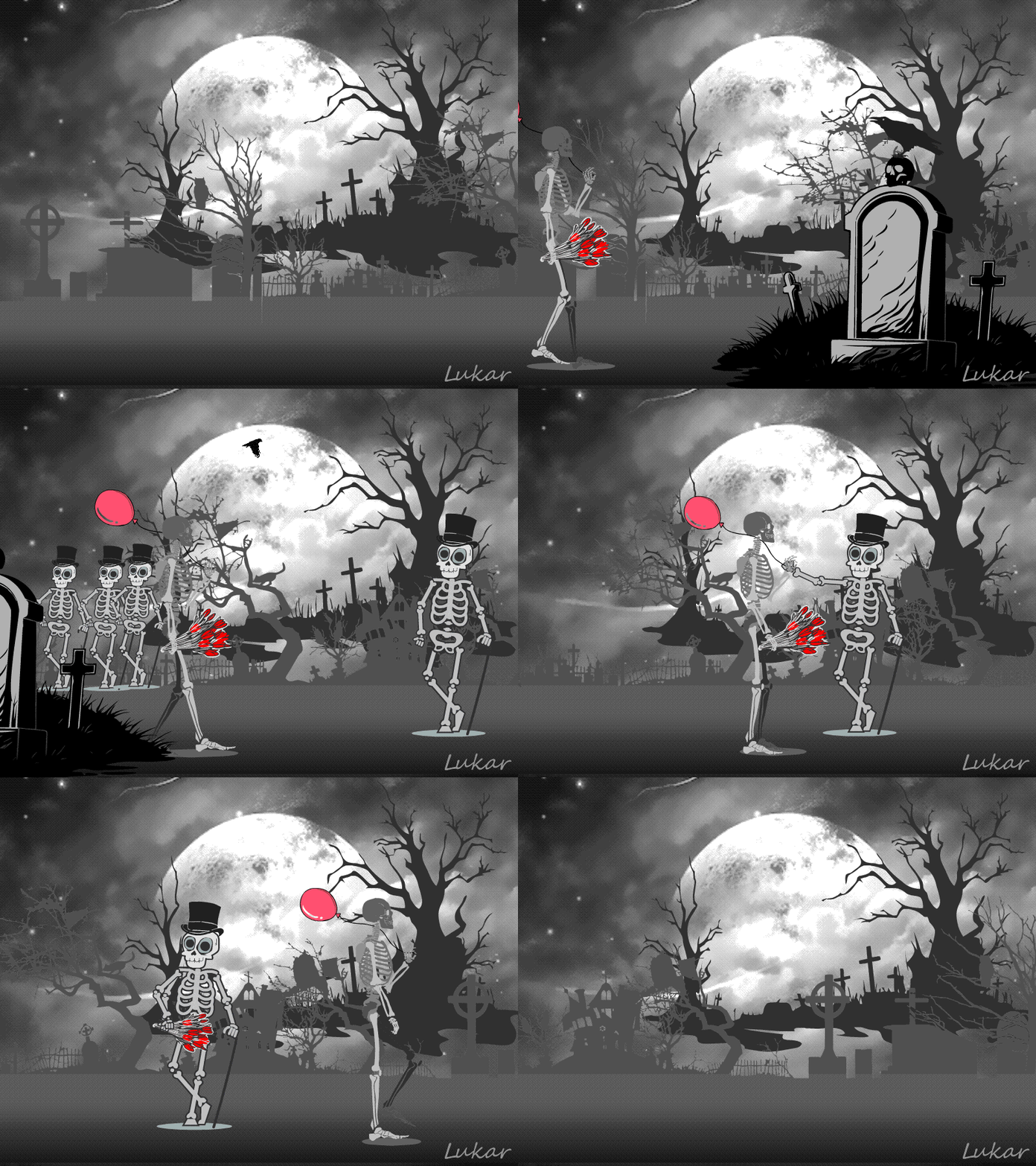
According to the collection description provided by the artist, LIMBRAID explores “the in-between — where reality and code intertwine,” with each piece examining the tension between the tactile and the simulated. While such conceptual framing is common in digital art circles, the works build upon Lukar’s established physical techniques, often referencing texture, materiality, and traditional composition methods.
He also launched @Lucar_Journey, an accessible Tezos-based collection on Objkt.com that has remained active for nearly three years and is positioned as an entry point for newer collectors. Public activity on his X account (@painterargon) shows consistent community engagement, including congratulations to fellow artists and supportive replies, rather than heavy self-promotion.

The broader NFT market has experienced significant fluctuations since its 2021 peak, with trading volumes declining and questions persisting about long-term value and environmental impact. Many artists, including those with traditional fine-art backgrounds like Lukar, have adapted by treating NFTs as an additional distribution channel rather than a replacement for physical practice. Lukar’s output reflects this hybrid approach: physical skills continue to inform digital pieces, while blockchain provides new avenues for ownership verification and global reach.
No independent sales data or critical reviews from major art publications were available at the time of writing to quantify collector reception. Like most emerging NFT creators, Lukar’s visibility remains concentrated within dedicated online communities rather than mainstream galleries.
Lukar’s trajectory illustrates a wider trend in contemporary art: trained practitioners experimenting with decentralized technologies while preserving core studio disciplines. Whether this fusion yields lasting artistic or market significance will depend on sustained output, collector interest, and evolving platform dynamics.