Pace Gallery Cuts 50 Artists and Staff: What It Means for the Art World
By Darren Smith, Arts Reporter
June 7, 2026
In a move sending ripples through the global art world, Pace Gallery—one of the most influential mega-galleries of the past six decades—has initiated a significant restructuring, trimming approximately 50 artists from its roster and laying off around 50 staff members. The decision, first reported on June 3, reflects broader challenges in an art market grappling with economic uncertainty, rising operational costs, and evolving collector behaviors.
Founded in 1960, Pace built its reputation on ambitious scale, representing legends like Mark Rothko and Agnes Martin while expanding into a global network of seven locations, including a landmark $100 million flagship in New York’s Chelsea district. At its peak recently, the gallery represented roughly 135 artists and employed about 250 staff. Following the cuts, the roster will shrink by about 30 percent to around 85 artists, with staff reduced by roughly 20 percent to near 200. CEO Marc Glimcher, son of founder Arne Glimcher, described the changes as a necessary “model correction,” stating that the current gallery system had become “too big, too corporate, too impersonal” and, in his words, “unfixable” without bold action.
Glimcher emphasized a return to Pace’s foundational ethos. “We’re going back to the future,” he told outlets, “connecting younger artists to their spiritual fathers and mothers” through an intergenerational mix of emerging talents, established names, and estates. The gallery intends to maintain its international presence but ground programming more deeply in local art scenes. Among those no longer listed on the roster are photographer Richard Avedon, conceptual artist Nina Katchadourian, and Austrian performance artist Hermann Nitsch, alongside others such as teamLab, Glenn Kaino, and several estates.
The announcement arrives amid a cooling market that has already prompted adjustments at other galleries. Pace had aggressively embraced digital innovations, including early forays into crypto-backed art, yet the sector’s volatility contributed to the need for recalibration. Industry observers view this not as retreat but as strategic pruning to ensure long-term sustainability, allowing deeper investment in core artists like Julian Schnabel, whose new exhibition Italy Through Its Trees opened in May alongside shows by Paul Thek and David Hockney.
This reset underscores a pivotal moment for the art ecosystem. As mega-galleries reassess their footprints, questions arise about opportunities for mid-tier spaces and emerging artists navigating an increasingly selective landscape. Pace’s leadership expressed optimism that a leaner, more focused operation will foster stronger artist relationships and innovative programming.
Artists, collectors, and gallerists alike will watch closely as Pace implements these changes. What does this mean for the future of representation in contemporary art? Share your thoughts in the comments below or follow developments on Pace Gallery’s official site. For deeper context, read the original reporting in The New York Times, ARTnews, and Artnet News. Stay engaged—subscribe to trusted art publications and support the artists shaping tomorrow’s canon. (Word count: 452)
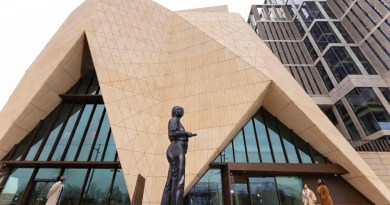
Cover image has been Ai generated