Zero 10: Revolutionizing Digital Art at Art Basel 2026
By Darren Smith, Arts Reporter
June 16, 2026
In the bustling halls of Art Basel 2026, where centuries of artistic tradition converge with the pulse of contemporary innovation, a groundbreaking platform is making its Swiss debut. Zero 10, Art Basel’s global initiative dedicated to art of the digital era, has transformed the Event Hall at Messe Basel into a vibrant nexus of code, computation, and creativity. This third edition, the largest to date with 20 exhibitors, stands as a bold affirmation that digital art has moved from the margins to the mainstream of the global art world.
Named in homage to Kazimir Malevich’s revolutionary 1915 exhibition “0,10,” which heralded Suprematism and reshaped modern art, Zero 10 reimagines that spirit of transformation for our algorithm-driven age. Co-curated by acclaimed artist Trevor Paglen—a MacArthur Fellow and 2026 LG Guggenheim Award recipient—and digital art strategist Eli Scheinman, the program unfolds under the thematic anchor “The Condition.” This framework examines life in a world saturated by digital imagery, computational systems, and artificial intelligence, bridging roughly seven decades of instruction-based and computational practices.
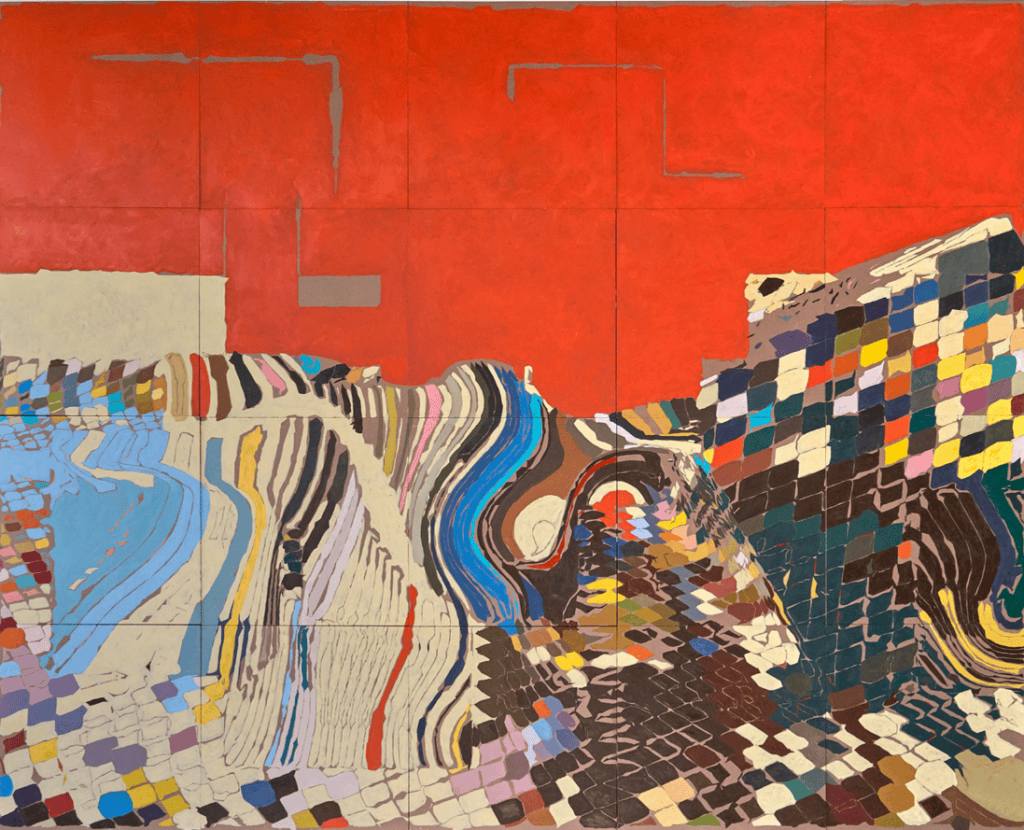
Paglen, known for his probing investigations into surveillance, data, and machine vision, brings a rigorous, museum-quality lens to the curation. “We’re trying to bring a level of rigor,” he has noted, addressing past skepticism born from NFT market volatility and AI anxieties. Together with Scheinman, who helped launch earlier editions in Miami Beach and Hong Kong, the duo has assembled a thoughtful dialogue between historical pioneers and next-generation voices. Works by Vera Molnár, Mary Ellen Bute, and Manfred Mohr converse with contemporary pieces by John Gerrard, Agnieszka Kurant, Avery Singer, Hito Steyerl, and Ryoji Ikeda.
One standout is French artist William Mapan’s presentation with Art Blocks. His series Paysages Plausibles and Dances on Shadows blend generative algorithms with traditional oil painting and live plotter drawings. Visitors can interact with the system on-site, selecting iterations that unfold in real time. Early reports indicate strong sales, with Mapan’s works selling out quickly—underscoring collector appetite for hybrid practices that honor both code and canvas.
Zero 10 is refreshingly accessible. Open to all Art Basel ticket holders, it also offers free public entry from June 17–19 with advance registration, democratizing encounters with cutting-edge digital works. Spanning immersive installations, generative systems, robotics, light, and sound, the sector fosters genuine exchange rather than spectacle alone. Live conversations further enrich the experience, inviting technologists, artists, and collectors to debate the evolving boundaries of creation.
This Swiss premiere arrives at a pivotal moment. After successful iterations in Miami and Asia, Zero 10 signals Art Basel’s commitment to integrating digital practices into its flagship fair. Noah Horowitz, CEO of Art Basel, has emphasized that digital art is “integral to how art and the market are evolving in real time.” By placing it centrally rather than offsite or upstairs, the initiative challenges outdated divisions between “traditional” and “digital” spheres.
Critics and collectors alike praise the curatorial depth. Paglen’s involvement lends institutional credibility, while Scheinman’s expertise ensures relevance to blockchain-native and post-NFT communities. The result is a platform that neither dismisses digital art’s experimental roots nor ignores its commercial viability. From real-time simulations by John Gerrard to sonic environments by Ryoji Ikeda, each presentation rewards sustained looking and thinking—qualities that define enduring art across mediums.
As visitors navigate the thoughtfully arranged booths, they encounter not just objects but evolving conditions: landscapes shaped by code, identities refracted through data, and futures co-authored by human and machine intelligence. Zero 10 doesn’t merely showcase digital art; it asserts its historical continuity and contemporary urgency.
The initiative’s success in Basel points toward a more inclusive art ecosystem—one where innovation enhances rather than supplants tradition. For artists, technologists, and audiences seeking to understand our increasingly mediated reality, this is essential viewing.
Explore the full Zero 10 program and plan your visit at Art Basel’s official Zero 10 page. Discover Trevor Paglen’s curatorial vision in depth here. Learn more about William Mapan’s hybrid practice in this recent profile. For broader context on the initiative’s journey, read ARTnews coverage of the curation. Additional insights on digital art’s mainstream moment are available via The Art Newspaper’s opening report.
Don’t miss your chance to engage with the future of art today—secure free public access tickets or join the conversation at Art Basel while Zero 10 pulses with energy through June 21. The digital condition awaits your participation.