Muller Gifts 119 Works to Arkansas Museum
San Francisco gallerist Martin Muller has gifted 119 modern and contemporary artworks to the Arkansas Museum of Fine Arts (AMFA) in Little Rock, deepening ties to the institution where his collecting journey began decades ago.
Swiss-born Muller, founder of San Francisco’s Modernism gallery since 1979, donated the works, announced March 4, 2026. The gift features pieces by Ukrainian and Russian avant-garde artists including Oleksandr Bohomazov, Natalia Goncharova, and Mikhail Larionov, alongside Erwin Blumenfeld, Gottfried Helnwein, John Register, James Hayward, Kristine Mays, Mel Ramos, and others. No public valuation was disclosed. The museum has long connections with Muller, who lived in Little Rock in the 1970s, used its library, and previously lent or exhibited works there, including the 2018 show Independent Vision. Select pieces go on view soon, with a related exhibition on Soviet cinema posters opening in October 2026.
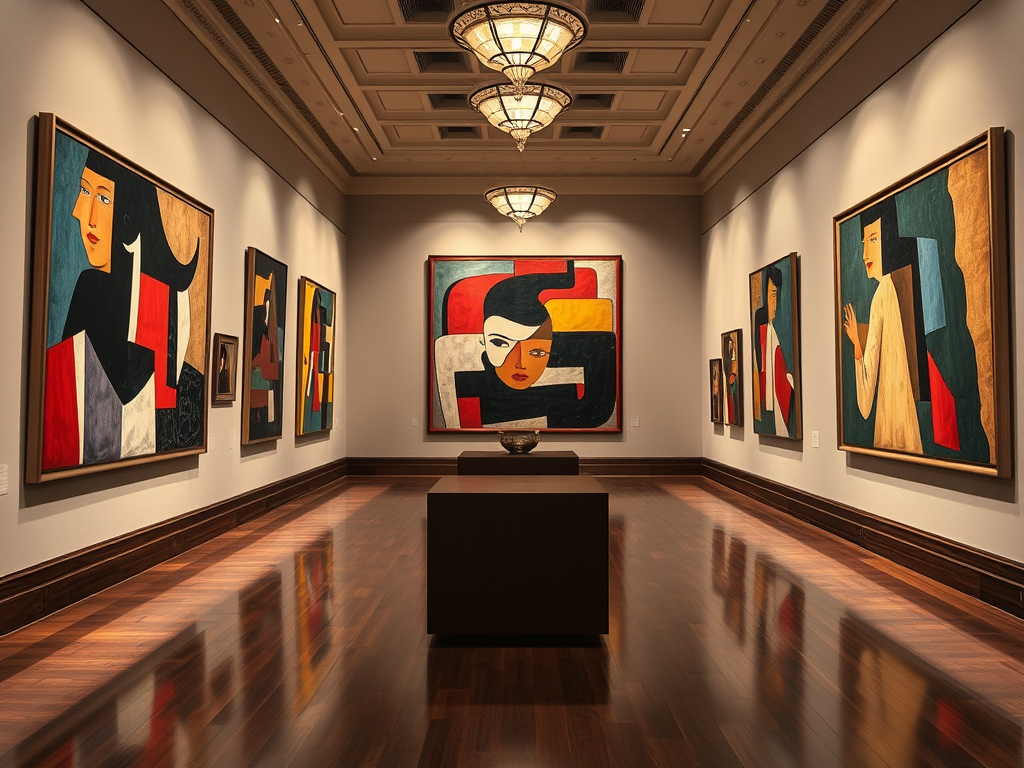
Muller built Modernism into a scholarly venue known for over 500 exhibitions, early Warhol shows, Le Corbusier premieres, and pioneering presentations of Ukrainian/Russian avant-garde art outside New York. A decorated French cultural figure (Officier des Arts et des Lettres) and recipient of a Ukrainian honorary doctorate, he blends dealing, publishing (70+ titles), and passionate collecting with personal roots in Arkansas. The gift likely reflects long-term philanthropy, estate considerations, and a desire to strengthen regional access to European modernism and avant-garde movements he has championed for decades—shifting works from private holdings and gallery orbit into public view. In a vivid reflection of his connoisseurial eye, one imagines Muller’s collection once filling gallery walls with bold Suprematist forms and graphic intensity, now destined for museum vitrines where visitors can trace those historic threads.
The donation signals sustained collector interest in early 20th-century Russian and Ukrainian avant-garde, graphic design, and theater-related works, potentially lifting visibility and scholarly demand for Bohomazov, Goncharova, and Larionov circles. It may encourage comparable gifts or loans of modernist material to mid-tier U.S. museums, while reinforcing secondary-market comparables for these artists in a segment that has seen selective strength amid broader market stabilization. This move underscores how targeted philanthropy can quietly bolster niche segments without flooding auctions, offering a model for deepening institutional holdings in underrepresented areas.
Such gifts expand public access to specialized collections, influencing donor strategies and museum programming while potentially inspiring emerging artists working in graphic or avant-garde traditions through greater exposure. Institutions benefit from enhanced holdings that support exhibitions and education, and the gift highlights ongoing trends toward strategic philanthropy over pure market plays. Watch for AMFA’s upcoming Soviet Cinema exhibition and any promised additional loans or foundation activity from Muller’s circle.


