Masterpieces Vanished in Minutes: Renoir, Cézanne and Matisse Paintings Stolen in Brazen Heist at Italian Villa Museum
MAMIANO DI TRAVERSETOLO, Italy — In a meticulously executed raid that lasted less than three minutes, four masked thieves broke into the Magnani-Rocca Foundation, a secluded private museum housed in a historic villa south of Parma, and made off with three priceless works by French masters valued at an estimated €9 million ($10 million).
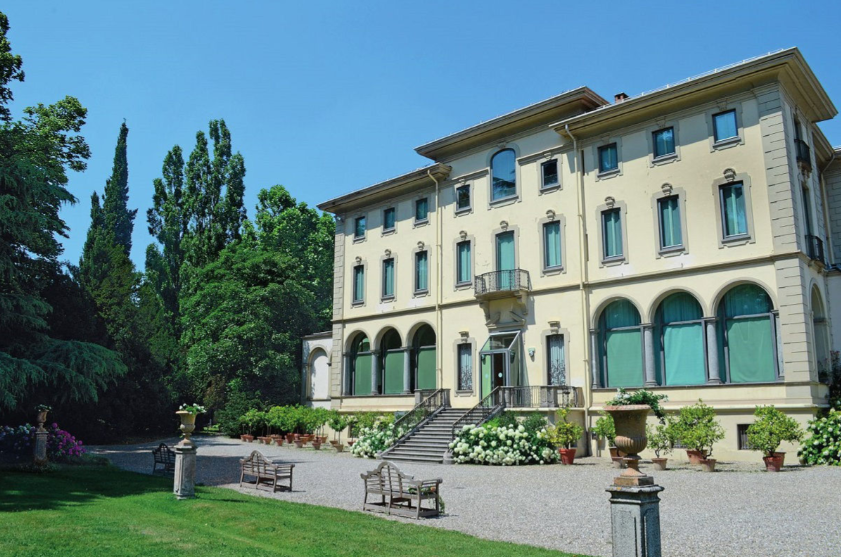
The theft occurred overnight between March 22 and 23, but authorities and the foundation deliberately withheld public details for several days in hopes that the perpetrators might return or that surveillance leads could yield quick arrests. Italian Carabinieri, working alongside the specialized Cultural Heritage Protection Unit in Bologna, confirmed the heist on Monday, March 30.
The stolen artworks, all displayed in the museum’s “French Room” on the first floor, are:
- “Les Poissons” (Fish), a 1917 oil painting by Pierre-Auguste Renoir, one of the few major works by the Impressionist master permanently accessible to the Italian public.

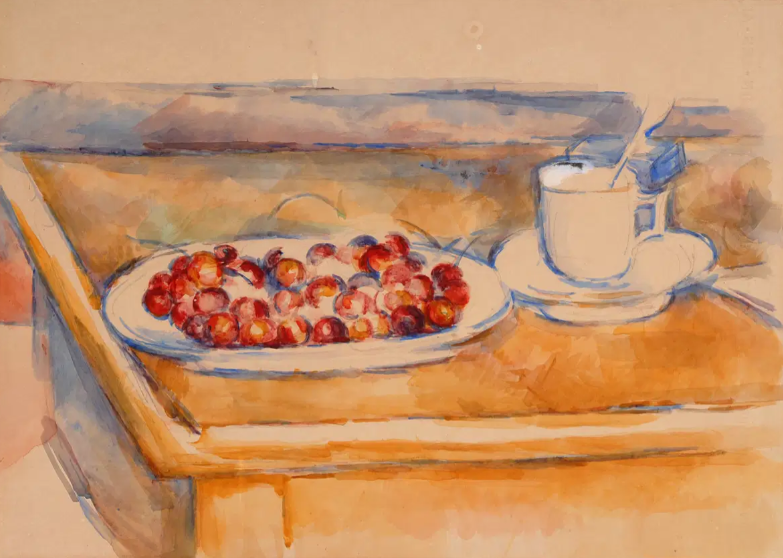
- “Still Life with Cherries” (also known as “Tasse et plat de cerises”), a delicate watercolor on paper by Paul Cézanne from around 1890.
- “Odalisque on the Terrace”, a 1922 aquatint by Henri Matisse.
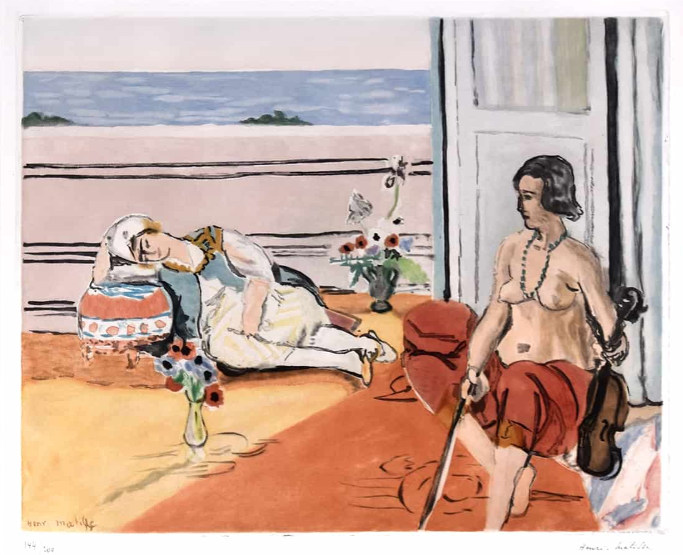
Police said the thieves forced open the main entrance door of the Villa dei Capolavori (“Villa of Masterpieces”), went directly to the targeted room, removed the works, and escaped by climbing over a fence into the surrounding gardens. No injuries were reported, and the operation’s speed suggests a high degree of planning and familiarity with the site’s layout.

The Magnani-Rocca Foundation was established in 1977 to preserve and display the extraordinary private collection of Luigi Magnani (1906–1984), a renowned art historian, musicologist, and critic. Housed in his family’s elegant country villa about 20 kilometers (12 miles) from Parma, the museum features an intimate yet world-class array of pieces by artists including Dürer, Rubens, Van Dyck, Goya, and Monet. The three stolen French works held special significance as among the rare publicly viewable examples of these Impressionist and Post-Impressionist giants in Italy.
Foundation officials noted that advanced surveillance systems and rapid response by security personnel prevented the thieves from taking additional pieces. “The robbery was not completed thanks to our security measures,” a spokesperson told reporters.
This audacious strike is the latest in a troubling wave of high-profile art thefts across Europe. It follows a major jewel heist at the Louvre in late 2025 and raises fresh questions about the vulnerability of even well-protected private and semi-private collections. Art security experts have long warned that smaller institutions, while rich in cultural treasures, often lack the fortress-like defenses of national museums.
Carabinieri investigators are treating the case as potentially “commissioned” — a theory common in organized art crime where thieves act on behalf of a private collector or black-market buyer. Stolen masterpieces of this caliber rarely appear on the open market; instead, they often circulate discreetly among wealthy private owners or disappear for decades. Italian authorities have circulated detailed images of the works to Interpol and major auction houses, urging vigilance from dealers and collectors worldwide.
The foundation has expressed deep sorrow over the temporary loss to the public. “These works were not merely possessions but part of Italy’s shared cultural heritage,” officials said in a statement. The museum remains open to visitors, with heightened security in place.
As the investigation intensifies, art world observers are watching closely. The swift, surgical nature of the theft has drawn comparisons to cinematic heists, yet it underscores a sobering reality: in an era of sophisticated surveillance, determined criminals can still exploit brief windows of opportunity.
Authorities have appealed to anyone with information to come forward, emphasizing that the recovery of these irreplaceable pieces remains the top priority. For now, three luminous examples of modern French art have vanished into the night — a stark reminder of the fragile balance between preserving beauty and protecting it from those who would steal it for private gain.
This article is based on official statements from Italian Carabinieri, the Magnani-Rocca Foundation, and reporting from multiple international news outlets. The investigation is ongoing.