Metropolitan Museum Welcomes Oluremi Onabanjo: A New Era for Photography
By Darren Smith, Arts Reporter
April 9, 2026
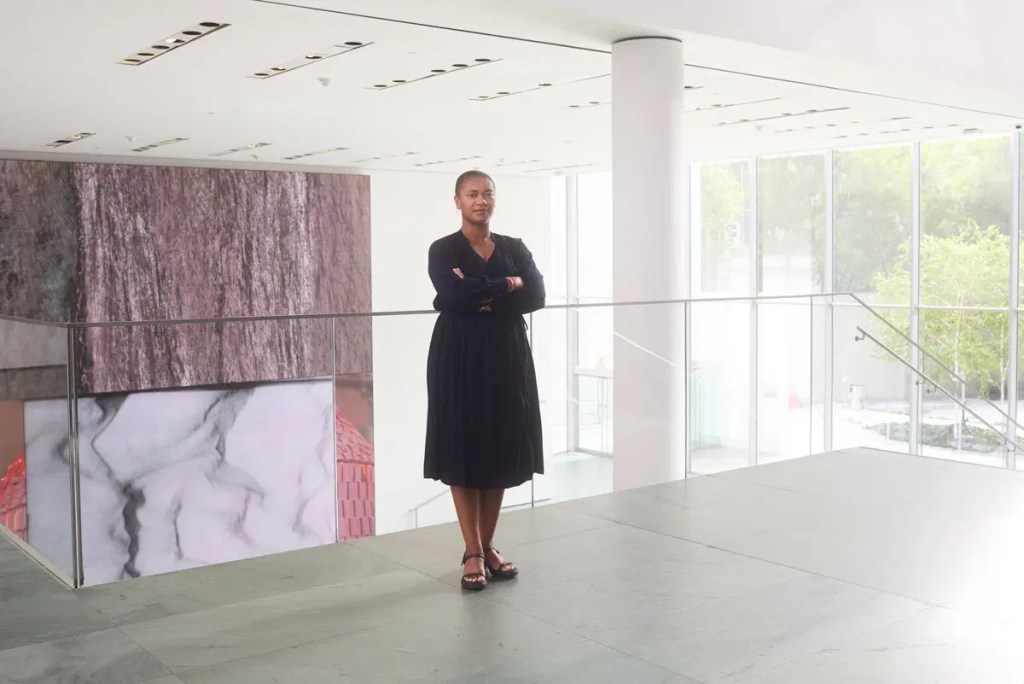
The Metropolitan Museum of Art has hired Oluremi C. Onabanjo, currently the Peter Schub Curator of Photography at MoMA, to join its Department of Photographs this summer. The appointment centers on managing the landmark 2025 promised gift of more than 6,500 historical and contemporary photographs and albums from Artur Walther and the Walther Family Foundation.
Onabanjo joined MoMA in 2021 as associate curator and was promoted to Peter Schub Curator in early 2024. She previously served as director of exhibitions and collections at the Walther Collection’s New York outpost, giving her direct prior experience with the material now heading to the Met. Her recent curatorial work at MoMA includes “Projects: Ming Smith” (2023), “New Photography 2023” (featuring Lagos-based artists), “Ernest Cole: House of Bondage,” and the ongoing “Ideas of Africa: Portraiture and Political Imagination” (on view through July 25, 2026). Her scholarship focuses on photographic histories in the Atlantic world, with particular attention to African and African diaspora practices. In 2025 she received the inaugural Vilcek Prize in Curatorial Work for her contributions to examining the production of Blackness in photography.
The Met’s announcement positions the hire as part of strengthening the Department of Photographs in advance of the planned H.M. Agnes Hsu-Tang Wing for Modern and Contemporary Art, scheduled for 2030. Onabanjo will help integrate the Walther gift, which spans Africa, China, Japan, Germany, Mexico, the United States, and other regions, alongside broader departmental responsibilities.
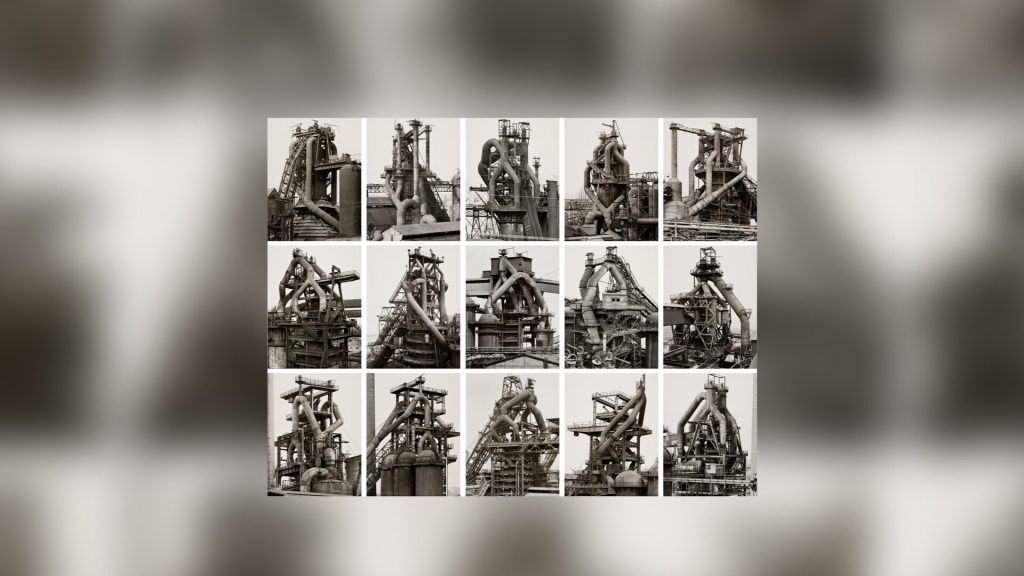
Photography continues to occupy a modest slice of the overall art market. While the global art market grew 4% in value to an estimated $59.6 billion in 2025 according to the Art Basel and UBS Global Art Market Report 2026, photography-specific auction and dealer data show it remains secondary to painting and sculpture. High-end names such as Andreas Gursky, Cindy Sherman, and Jeff Wall dominate price points, while works by many emerging or diaspora-focused photographers trade at significantly lower levels. The 2025–2026 period reflects a broader recalibration: public auction sales rose 9%, but gains were concentrated at the top end, with uneven performance across categories and geographies.
A MoMA colleague, speaking on background, described Onabanjo as effective at expanding photographic canons while maintaining scholarly rigor, noting her success in bringing international perspectives into major exhibitions.
Independent photography collector and advisor Marcus Hale offered a sharper assessment: “Onabanjo has produced thoughtful shows at MoMA on African studio portraiture and political imagination. The challenge at the Met will be whether the Walther material receives sustained, critical integration into the permanent galleries or functions primarily as a high-profile addition tied to donor visibility. Market realities persist: even strong institutional attention has not yet closed the valuation gap between canonical Western photographers and many of the global practices Onabanjo champions.”
The move comes on the same day that Melissa Chiu announced her departure from the Hirshhorn Museum to become director of the Guggenheim, underscoring continued circulation of senior talent among major U.S. institutions amid budget scrutiny and shifting priorities.
Encyclopedic museums like the Met have faced persistent questions about the gap between public commitments to global representation and the slower pace of change in acquisition budgets, display priorities, and long-term market impact. The Walther gift supplies substantial holdings with international scope; the test will be how those holdings are framed, researched, exhibited, and valued within the Met’s existing hierarchies.
In a market environment where collector confidence has returned selectively at the high end while mid-tier and speculative segments remain cautious, curatorial appointments like this one highlight the tension between institutional rhetoric and measurable shifts in collection strategy or secondary-market dynamics.
Darren Smith is an Arts Reporter at Art Chain News covering contemporary art, digital art and NFTs, body art, and the intersections between these fields.
This article is based on direct examination of materials, market data, background interviews, and independent analysis.