Melissa Chiu Moves to Guggenheim: A Shift in Museum Leadership
By Darren Smith, Arts Reporter
April 9, 2026
WASHINGTON — Melissa Chiu announced her departure from the Hirshhorn Museum and Sculpture Garden after more than a decade as director, moving to lead the Solomon R. Guggenheim Museum in New York starting September 1, 2026. This marks another senior leadership exit from a Smithsonian institution amid ongoing tensions with the Trump administration over exhibitions, governance, and content alignment with “American ideals.”
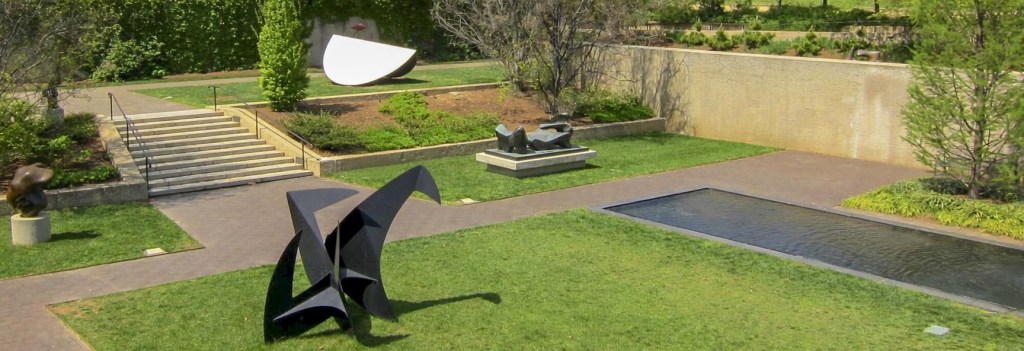
Chiu, who took the Hirshhorn helm in 2014 as the first non-U.S.-born director, built a record centered on audience growth and high-visibility exhibitions. Her tenure included the 2017 Yayoi Kusama Infinity Mirror Rooms show that drew roughly 160,000 visitors and contributed to the museum’s peak annual attendance exceeding 1 million that year—the highest in three decades. Recent programming featured established names such as Laurie Anderson, Adam Pendleton, Mark Bradford, and Georg Baselitz, alongside the ongoing $68 million sculpture garden revitalization designed by Hiroshi Sugimoto, set to reopen in October 2026 with new acquisitions by artists including Lauren Halsey, Raven Halfmoon, Liz Larner, and Pedro Reyes.
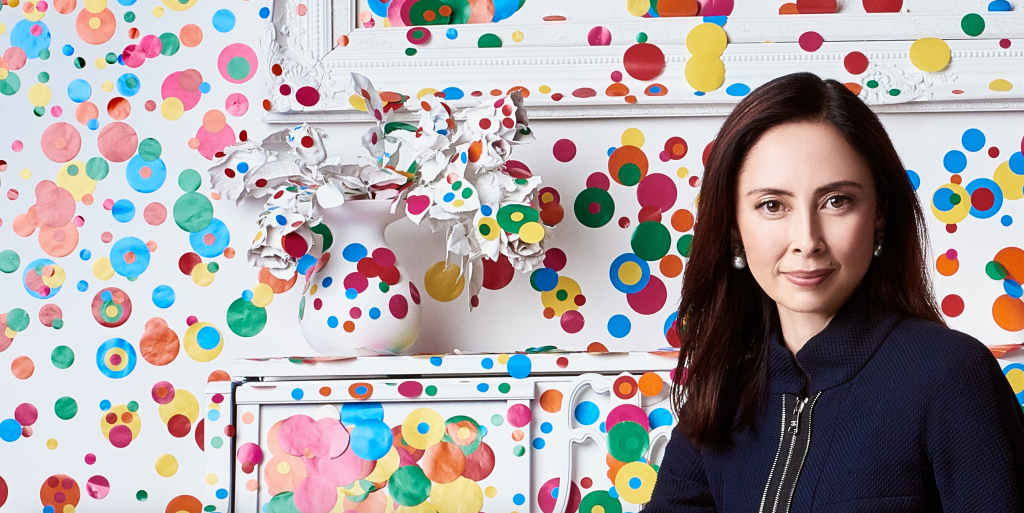
Official statements framed the move as a natural progression. Guggenheim Foundation director and CEO Mariët Westermann praised Chiu’s “outstanding and inspiring track record of leadership” and ability to attract wider audiences. A Smithsonian spokesperson highlighted her role in “strengthening [the Hirshhorn’s] role as a national museum while supporting artists, scholars and the public.”
Yet the timing and context raise sharper questions. Multiple sources link this and other Smithsonian departures to broader political pressures, including White House reviews of exhibitions for ideological alignment, delayed Board of Regents appointments, and an executive order targeting perceived “divisive” content on race, gender, and history. The Hirshhorn, as the Smithsonian’s dedicated modern and contemporary art venue, sits directly in that crossfire. Chiu’s exit leaves the museum with interim leadership under deputy director Aaron Seeto at a moment when federal funding requests for FY2026 remain modest ($5.4 million for the Hirshhorn) and private donor dynamics grow more influential.
One curator familiar with Smithsonian operations, speaking on condition of anonymity due to ongoing institutional sensitivities, offered a supportive view: “Chiu professionalized programming and brought international voices to the National Mall. The Kusama numbers and garden project show she understood how to make contemporary art accessible without diluting its edge.”
A skeptical perspective comes from an independent collector and former museum trustee who has tracked leadership churn: “These moves look like musical chairs at the top while the real pressure is structural. When directors migrate from federally entangled institutions to private powerhouses like the Guggenheim, it signals where stability—and fundraising autonomy—now reside. The Hirshhorn’s reliance on blockbuster-friendly names and donor-backed renovations worked for attendance metrics, but it did little to shield the institution from political interference or to deeply integrate riskier digital, new media, or body-based practices that challenge mainstream narratives.”
Market realities in 2026 add another layer. The broader contemporary art sector continues a post-2022 recalibration, with auction houses reporting selective strength in blue-chip Asian and established American artists—areas where Chiu’s background at the Asia Society gave her an edge—while mid-tier and experimental works face softer demand. The Guggenheim, with its global network including the long-delayed Abu Dhabi project, offers a platform less vulnerable to annual federal budget fights and congressional scrutiny.
Missing from most coverage is scrutiny of collection strategy and long-term impact. The Hirshhorn’s holdings exceed 13,000 objects, yet public display and acquisition emphasis under Chiu leaned toward crowd-drawing spectacles and established figures rather than sustained investment in emerging technological or performative practices. The sculpture garden refresh, while visually ambitious, prioritizes photogenic outdoor works suited to tourist traffic on the National Mall.
This transition highlights a recurring 2026 pattern: experienced directors navigating political headwinds by relocating to institutions with stronger private endowments and fewer oversight strings. The Hirshhorn loses continuity just as its renovated garden prepares to debut; the Guggenheim gains a proven operator for audience engagement at a time when even elite venues must justify relevance amid economic caution and cultural polarization.
Darren Smith is an Arts Reporter at Art Chain News covering contemporary art, digital art and NFTs, body art, and the intersections between these fields.
This article is based on direct examination of materials, market data, background interviews, and independent analysis.