MEPs Urge EU to Suspend Funding for Venice Biennale Over Russia’s Planned 2026 Participation
MEPs Urge EU to Suspend Funding for Venice Biennale Over Russia’s Planned 2026 Participation
BRUSSELS — A cross-party group of 37 Members of the European Parliament has called on the European Commission to immediately suspend all EU funding to the Venice Biennale Foundation if Russia proceeds with its national pavilion at the 61st International Art Exhibition, scheduled to open on May 9, 2026.
In a formal letter sent this week to European Commission President Ursula von der Leyen, High Representative for Foreign Affairs and Security Policy Kaja Kallas, and other EU leaders, the MEPs argued that European taxpayers’ money should not support an event that could provide a prestigious international platform to a nation subject to extensive EU sanctions due to its ongoing war in Ukraine.
“Under no circumstances should Russia — a state under extensive European Union sanctions on trade, goods and services — be permitted to participate in an event financed by European taxpayers’ money,” the letter states.
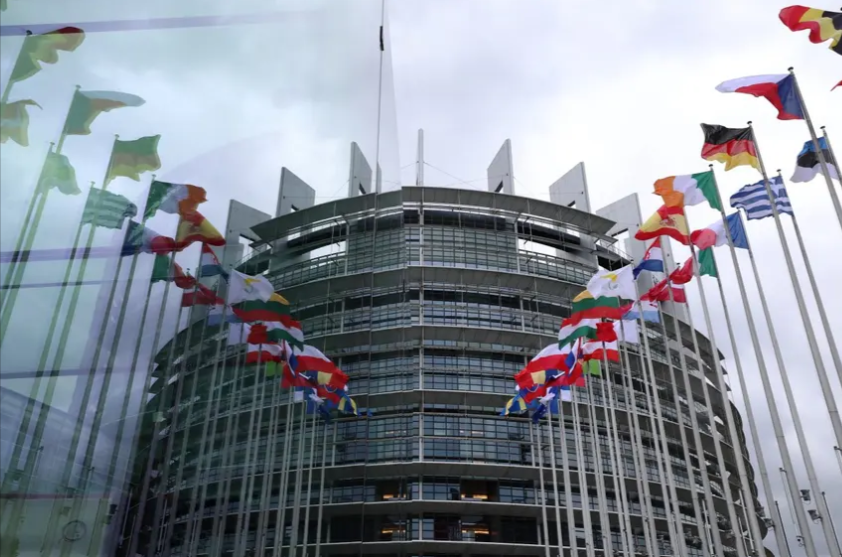
The European Parliament building in Brussels. MEPs from multiple political groups signed the letter demanding action on EU funding for the Venice Biennale.
The intervention escalates months of controversy surrounding the Biennale Foundation’s decision to reinstate the Russian pavilion in the Giardini della Biennale for the first time since Russia’s full-scale invasion of Ukraine in 2022. Russia’s planned exhibition is titled “The Tree is Rooted in the Sky” and involves dozens of Russian and international artists, musicians, poets, and philosophers in a multidisciplinary project described by organizers as a “musical festival” emphasizing cultural dialogue over politics.

The Russian Pavilion at the Giardini della Biennale in Venice. Critics argue that its reopening risks providing cultural legitimacy to Russia while the war in Ukraine continues.
The EU has granted roughly €2 million to the Biennale Foundation over a three-year period. The MEPs are demanding that these funds — and any future support — be withheld if Russia’s participation goes ahead, and that “restrictive measures” be considered against individuals and entities linked to the Russian pavilion.
This latest push follows an earlier warning from the European Commission. In March 2026, Commissioners Henna Virkkunen and Glenn Micallef stated that allowing Russia a platform “is not compatible with the EU’s collective response to Russia’s brutal aggression.” They pledged to examine suspension or termination of the grant if the Biennale proceeded.
Culture and foreign ministers from more than 20 European countries, including Germany, France, and Spain, previously sent a joint letter to Biennale President Pietrangelo Buttafuoco describing Russia’s presence as “unacceptable” amid the “systematic destruction of Ukraine’s cultural life and heritage.”
Venice Biennale organizers have defended the decision on grounds of artistic freedom and openness. The foundation has emphasized that it rejects “any form of exclusion or censorship of culture and art.” President Buttafuoco has described the event as “a space of truce” where art prevails over geopolitics.
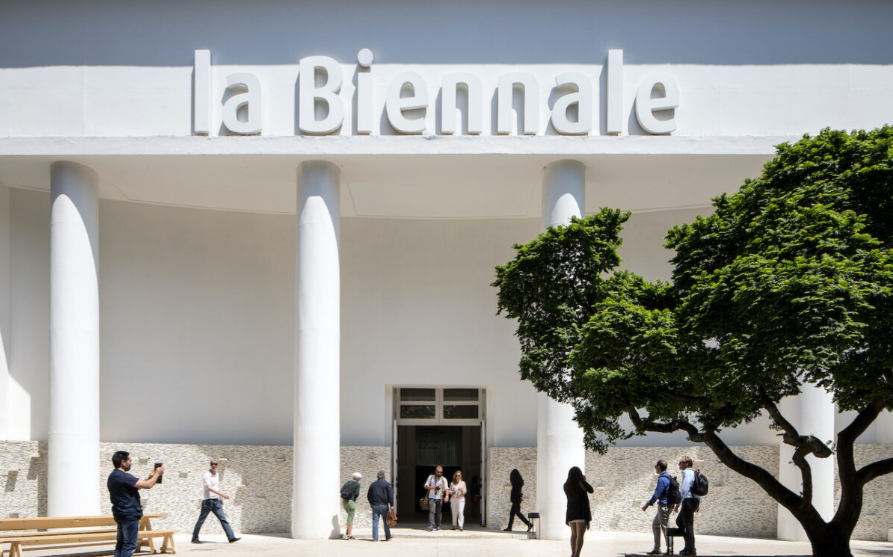
The entrance to the Central Pavilion at the Giardini during a previous Venice Biennale. The 2026 edition, titled “In Minor Keys” and conceived by the late curator Koyo Kouoh, runs from May 9 to November 22, 2026. (Direct link: https://www.labiennale.org/en)
The controversy has drawn responses in Italy as well. Venice Mayor Luigi Brugnaro has indicated that the Russian pavilion would be closed if it features propaganda, while Italy’s Culture Minister has sought further documentation on the pavilion’s plans and sanctions compliance.
Broader opposition includes open letters signed by thousands of artists, curators, and cultural figures calling for Russia’s exclusion to avoid “normalizing what cannot be normalized.”
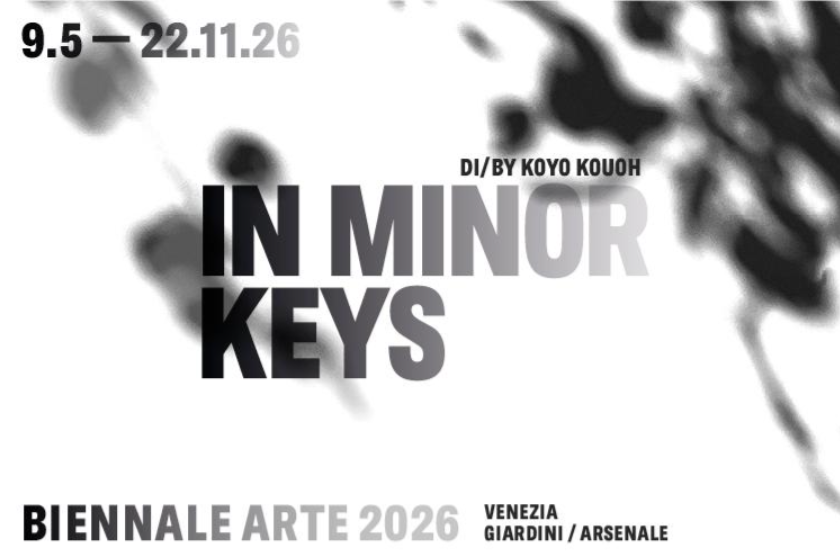
Official poster/visual for Biennale Arte 2026. The prestigious event attracts hundreds of thousands of visitors annually and features national pavilions from nearly 100 countries.
The MEPs’ letter highlights a deeper tension in European cultural policy: balancing principles of artistic independence with political solidarity, adherence to sanctions, and support for Ukraine. Supporters of exclusion argue that state-sponsored national pavilions inevitably carry political weight. Opponents warn that barring nations risks setting a dangerous precedent for censorship in the arts.
As the May 2026 opening approaches, pressure continues to mount on both the Biennale Foundation and EU institutions. The outcome could shape not only this edition but also future debates over culture, sanctions, and international exhibitions in a geopolitically divided world.