Future Fossils: Last Chance to Experience Art’s Reflection on Civilization
By Darren Smith, Arts Reporter
May 17, 2026
As the final day of the acclaimed Future Fossils exhibition arrives at the Mary M. Torggler Fine Arts Center in Newport News, Virginia, visitors have one last opportunity to confront a provocative question: If life as we know it suddenly ended, what would our everyday objects reveal to future archaeologists about our values, obsessions, and vulnerabilities?
Organized by the MassArt Art Museum in Boston and curated by Ginger Gregg Duggan and Judith Hoos Fox of c² curatorsquared, the exhibition has drawn strong attendance since opening on January 27. On view through May 17, 2026, it transforms the Anne Noland Edwards Gallery into a contemporary archaeological site featuring works by 19 international artists who have created imagined relics of the Anthropocene.
The concept is elegantly simple yet profoundly unsettling. These “conjured relics”—objects cast in glass, resin, fabric, and metal—freeze moments of modern life for hypothetical future examination. Together, they evoke the aftermath of an unspoken apocalypse, inviting viewers to critique consumption, identity, memory, and environmental impact from a distant perspective.
Standout pieces include Do Ho Suh’s delicate fabric reconstruction of a New York refrigerator (Specimen Series), a fragile skeleton of domestic routine; Liz Glynn’s resin-coated works layered with cultural commentary; and Rachel Whiteread’s haunting negative-space casts. Global figures such as Ai Weiwei, Sanford Biggers, Julian Charrière, Studio Drift, Matthew Angelo Harrison, and Maureen Gruben contribute pieces that blend material innovation with sharp cultural critique.
Holly Koons, Executive Director of the Torggler, emphasized the exhibition’s resonance: it invites visitors to step outside the present and consider how future generations might interpret our possessions and priorities.
Presented in tandem with Studio Lemercier: Rising Waters (also known as Marine Transgressions), the pairing heightens urgent ecological themes. Admission remains free, aligning with Christopher Newport University’s commitment to accessible arts education.
The traveling exhibition, which previously stopped at venues including the Susquehanna Art Museum, has sparked meaningful dialogue about legacy. Its newspaper-style catalogue, featuring curator essays and speculative fiction, extends the experience beyond the gallery walls.
In an era of rapid technological and environmental flux, Future Fossils demonstrates art’s power to make the familiar strange and prompt reflection on the traces we leave behind.
Don’t miss the closing day—visit the Torggler today for this transformative encounter. Explore full details and plan your visit at thetorggler.org. Support this vital cultural hub through membership or donations to help future generations experience inspiring exhibitions like this. Additional information on the curators and tour is available via curatorsquared.com.
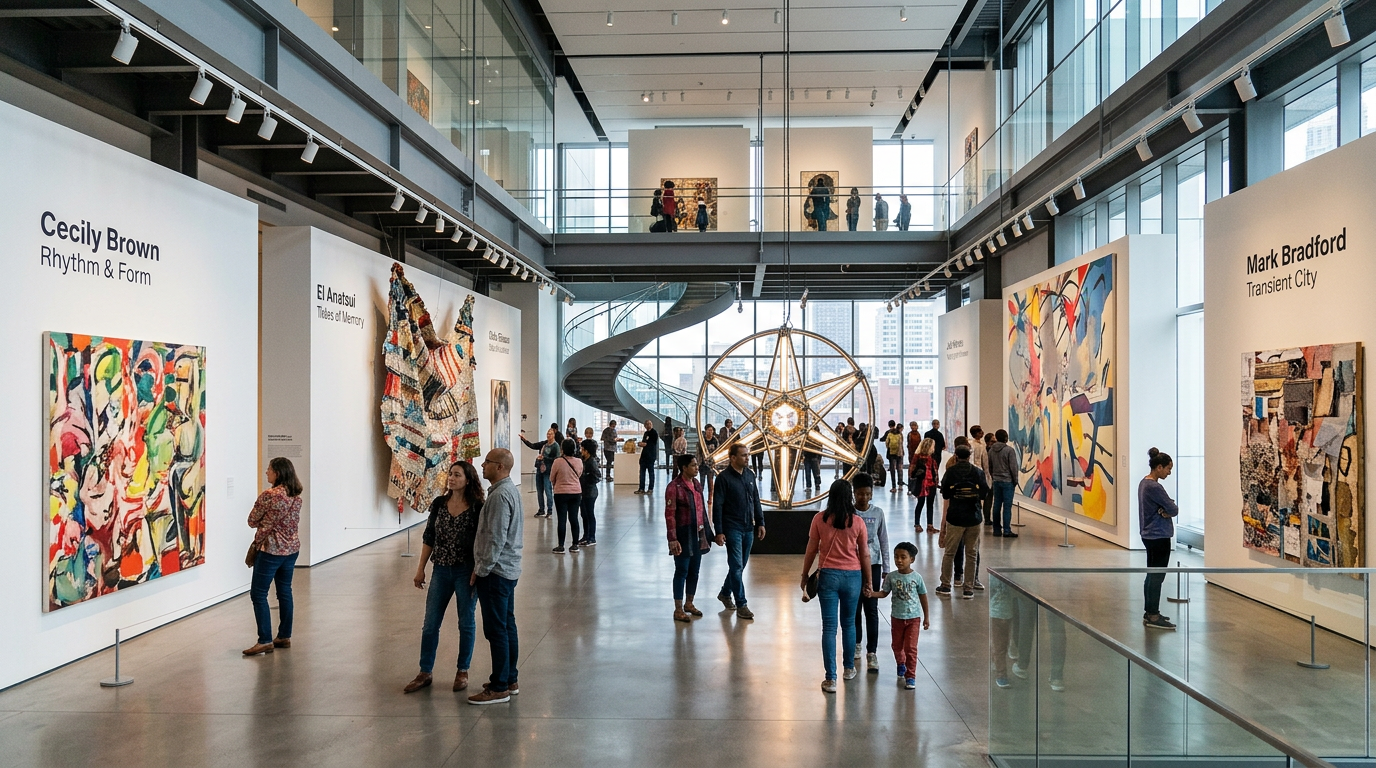
Cover image is Ai generated