Embezzlement Scandal Hits Atlanta’s High Museum of Art
By Darren Smith, Arts Reporter
July 14, 2026
In a stunning blow to one of the South’s most prestigious cultural institutions, Brady Lum, the former Chief Operating Officer of the High Museum of Art in Atlanta, has pleaded guilty to embezzling more than $600,000 from the museum’s funds. The admission, detailed in federal court filings, marks a painful chapter for an organization renowned for its world-class collections and community outreach, raising urgent questions about oversight and trust in nonprofit arts leadership.
Lum’s guilty plea comes after months of investigation that unraveled a scheme involving unauthorized transfers and personal expenditures disguised as legitimate museum business. Court documents reveal that between 2022 and 2025, Lum siphoned funds intended for operations, exhibitions, and educational programs. Among the most egregious examples was the purchase of a $9,000 guitar for personal use, charged to museum accounts under the guise of an employee wellness or event expense. Prosecutors allege additional diversions funded luxury travel, home improvements, and other personal indulgences, all while the High Museum navigated post-pandemic recovery challenges.
The High Museum of Art, designed by renowned architect Richard Meier and home to more than 18,000 works spanning European, American, African, and decorative arts, has long stood as a beacon of cultural excellence in Atlanta. Its permanent collection includes masterpieces by artists such as Thomas Gainsborough and a celebrated focus on Southern art. Under Lum’s tenure as COO, the museum expanded digital initiatives and community partnerships, making the betrayal feel especially acute for staff, donors, and visitors who trusted the leadership to steward resources responsibly.
This case echoes broader concerns in the nonprofit sector, where high-profile arts institutions manage multimillion-dollar budgets with limited internal controls. According to experts, embezzlement at cultural organizations often exploits the trust-based culture of the arts world. “Museums rely on passion and mission-driven work,” noted one forensic accountant familiar with similar cases, “but that same dedication can blind boards to red flags in financial oversight.” The High Museum’s board has since implemented enhanced auditing protocols and third-party reviews to prevent future incidents.
Federal authorities became involved after routine financial audits flagged irregularities in vendor payments and expense reports. Lum initially denied wrongdoing but cooperated following the presentation of irrefutable digital trails, including wire transfers and credit card records. His plea agreement, which includes full restitution and potential sentencing guidelines recommending prison time, underscores the Justice Department’s commitment to holding accountable those who exploit charitable institutions. The museum itself was not accused of any institutional misconduct and has pledged full transparency moving forward.

For Atlanta’s vibrant arts community, the scandal arrives at a delicate moment. The High Museum recently celebrated major acquisitions and exhibitions that draw thousands of visitors annually, bolstering the city’s reputation as a cultural hub. Yet the embezzlement threatens donor confidence at a time when many institutions face funding pressures. Supporters worry that stories like this could deter philanthropy, even as the museum reaffirms its commitment to artistic excellence. Leadership has emphasized that core programming remains unaffected, with exhibitions and education initiatives continuing uninterrupted.
Lum’s fall from grace is particularly noteworthy given his prior reputation. Hired for his extensive experience in arts administration, he was once praised for streamlining operations and supporting ambitious projects. Colleagues described him as detail-oriented and mission-focused. The revelation of his actions has left many in the field shocked, prompting soul-searching across similar organizations about executive vetting and ongoing financial ethics training.
This case also highlights the evolving role of technology in both enabling and detecting financial crimes. Advanced forensic accounting tools and AI-driven anomaly detection played key roles in building the case against Lum, illustrating how modern institutions can better safeguard assets. As arts nonprofits increasingly digitize operations, experts urge stronger cybersecurity and segregation of financial duties to close loopholes that insiders might exploit.
The High Museum has issued a statement expressing disappointment while focusing on resilience. “We are committed to our mission and to the community we serve,” it read in part. “This situation strengthens our resolve to uphold the highest standards of stewardship.” The institution continues to host popular shows and public programs, inviting visitors to experience its collections amid the recovery process.
As sentencing approaches, the arts world watches closely. Lum’s case serves as a cautionary tale about the intersection of personal ambition and public trust. For the High Museum, it represents an opportunity to emerge stronger, with renewed emphasis on accountability that could set a benchmark for peer institutions nationwide.
The broader implications extend beyond Atlanta. Embezzlement scandals at cultural landmarks erode public faith in the nonprofit model, potentially impacting federal grants and private donations that sustain creativity and education. Advocates now call for sector-wide reforms, including mandatory ethics certifications for senior executives and more robust whistleblower protections.
In the end, while the financial loss stings, the High Museum’s enduring legacy—rooted in its art and its people—offers hope. Supporters and art lovers alike are rallying around the institution, determined that one individual’s actions will not diminish its vital role in enriching lives through culture.
If you care about protecting the arts from financial misconduct, consider supporting transparent institutions like the High Museum of Art through verified donations or by advocating for stronger nonprofit oversight in your community. Visit high.org to learn more and get involved today.
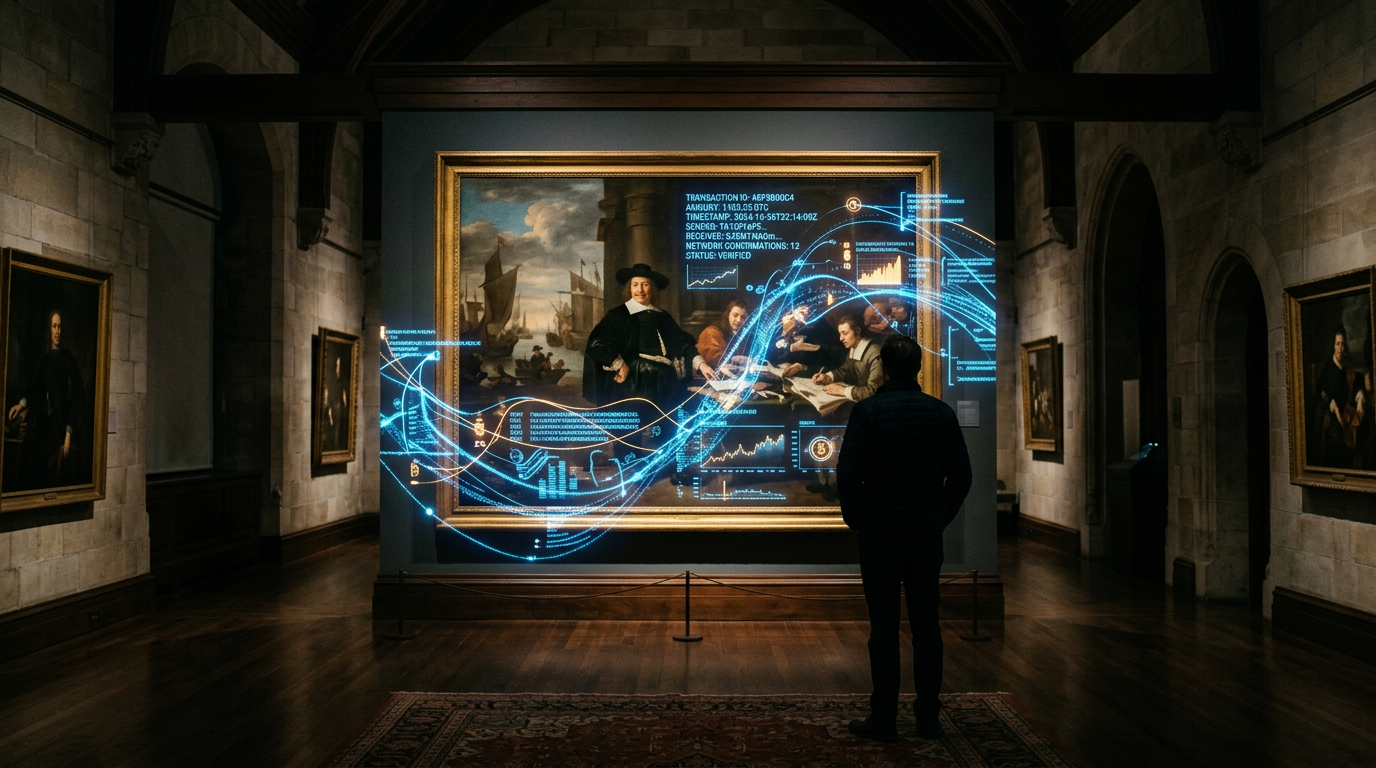
The cover image in this article was AI-generated.