Kennedy Center Funding Controversy: Whistleblower Claims Exposed
By Darren Smith, Arts Reporter
July 14, 2026
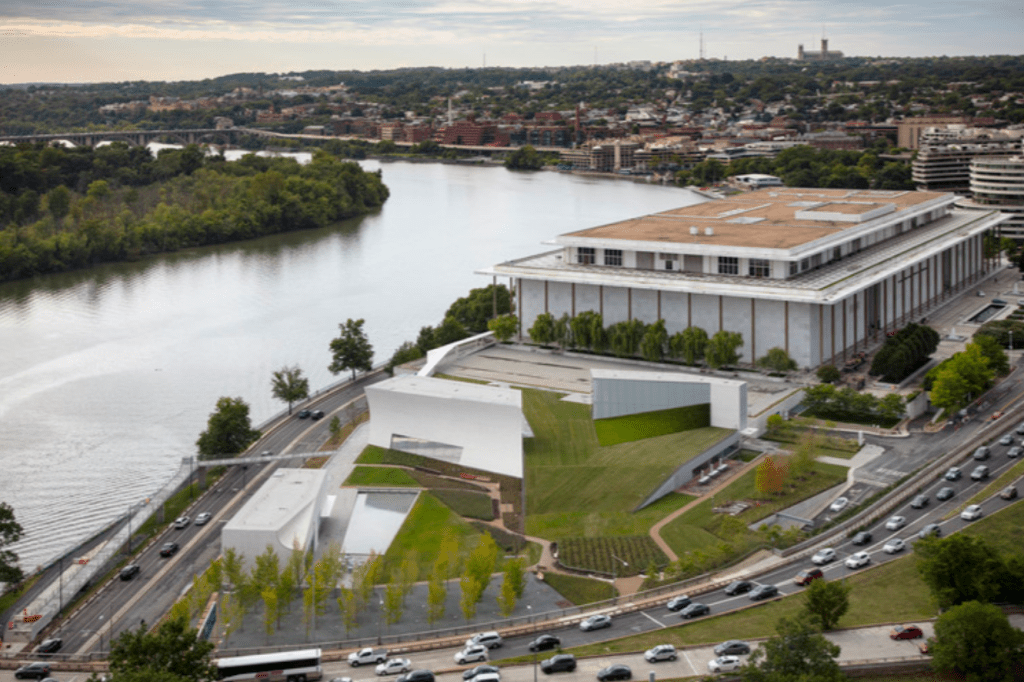
In the heart of Washington, D.C., the iconic John F. Kennedy Center for the Performing Arts stands as a beacon of American culture, yet behind its marble facade, serious allegations of financial mismanagement and rushed construction have emerged. Whistleblowers have come forward with explosive claims that center leadership, influenced by the Trump administration, bypassed federal contracting rules to prioritize cosmetic changes and presidential timelines over sound stewardship of taxpayer dollars.
The controversy centers on $257 million in federal funding Congress appropriated last year for long-overdue repairs and maintenance at the landmark venue. What was intended to address decades of deferred structural issues—including water leaks, outdated systems, and aging infrastructure—has instead allegedly devolved into a series of hasty, vanity-driven projects. Documents submitted to Congress by the Government Accountability Project, a nonprofit whistleblower protection organization, paint a troubling picture of corner-cutting that could cost millions more in future remediation.
According to the disclosures, center officials under Trump-appointed leadership consulted closely with the White House, accelerating renovations to align with high-profile events. These included preparations for the FIFA World Cup draw, where President Trump was to receive a “peace prize,” and the annual Kennedy Center Honors. Staff reportedly received directives to “do whatever it takes,” with one alleged instruction ringing especially alarmingly: “We’ll deal with the lawsuits later.” This pressure allegedly led to the exemption from longstanding Federal Acquisition Regulation standards and the awarding of no-bid contracts without proper justification or competitive bidding.
One particularly glaring example involves an $8 million no-bid flooring contract for the concert hall, granted to a firm with no apparent experience in such specialized venues. Whistleblowers claim the work was superficial and failed to resolve underlying problems. Other allegations detail cosmetic excesses, such as painting the center’s signature gold columns white—a change that has already resulted in visible rusting through the fresh coat. In another instance, crews allegedly tore out a brand-new bathroom floor simply because the tile color displeased the president. A reflecting pool project is also under scrutiny, with claims it may need to be entirely rebuilt due to shoddy execution.
Senator Sheldon Whitehouse (D-RI), a member of the Kennedy Center’s board and ranking member of the Senate Environment and Public Works Committee, has taken the lead in highlighting these concerns. In a formal letter to center Executive Director Matt Floca, Whitehouse demanded a full accounting of how the $257 million has been spent or obligated, details on all no-bid and sole-source awards, White House communications regarding contractor selection, and records explaining the center’s decision to sidestep federal contracting norms.
“The Board of Trustees have the opportunity to focus on addressing these allegations and ensuring the $257 million Congress approved for renovations are used for legitimate, necessary repairs instead of cosmetic nickel and dime fixes that don’t last,” Whitehouse stated. His actions build on broader oversight efforts, expanding an investigation into potential mismanagement of federally appropriated funds.
These revelations arrive amid ongoing tensions surrounding the center’s leadership and operations. Trump has long expressed interest in reshaping the institution, securing the substantial federal infusion while installing allies in key positions. Critics argue this has transformed a cultural landmark into a stage for political optics, diverting resources from essential maintenance to superficial enhancements. Supporters of the renovation, however, maintain that urgent updates were necessary and that the projects reflect a commitment to modernizing the facility for future generations.
The whistleblower disclosures also raise broader questions about accountability in federally funded arts institutions. The Kennedy Center, while receiving annual appropriations, operates with a degree of independence, yet it remains subject to congressional scrutiny—especially when hundreds of millions in public money are at stake. Legal experts note that rewriting contracting rules after the fact, as alleged, could violate procurement protocols designed to prevent waste, fraud, and abuse.
As the story unfolds, the center faces potential audits, further congressional inquiries, and possible legal challenges. Renovation work continues, with parts of the building already shuttered for extensive upgrades, but the cloud of these allegations threatens to overshadow the artistic mission at its core. The performing arts world watches closely, concerned that politicization could erode public trust in one of America’s premier cultural venues.
The full impact on the Kennedy Center’s reputation and its ability to fulfill its mandate remains to be seen. Transparency and rigorous oversight will be essential to restoring confidence that taxpayer funds are serving the arts rather than any individual agenda.
What do you think? Share your thoughts in the comments, contact your representatives to demand full transparency on the use of these federal funds, and stay informed by following credible reporting on this developing story. Support independent journalism that holds institutions accountable.
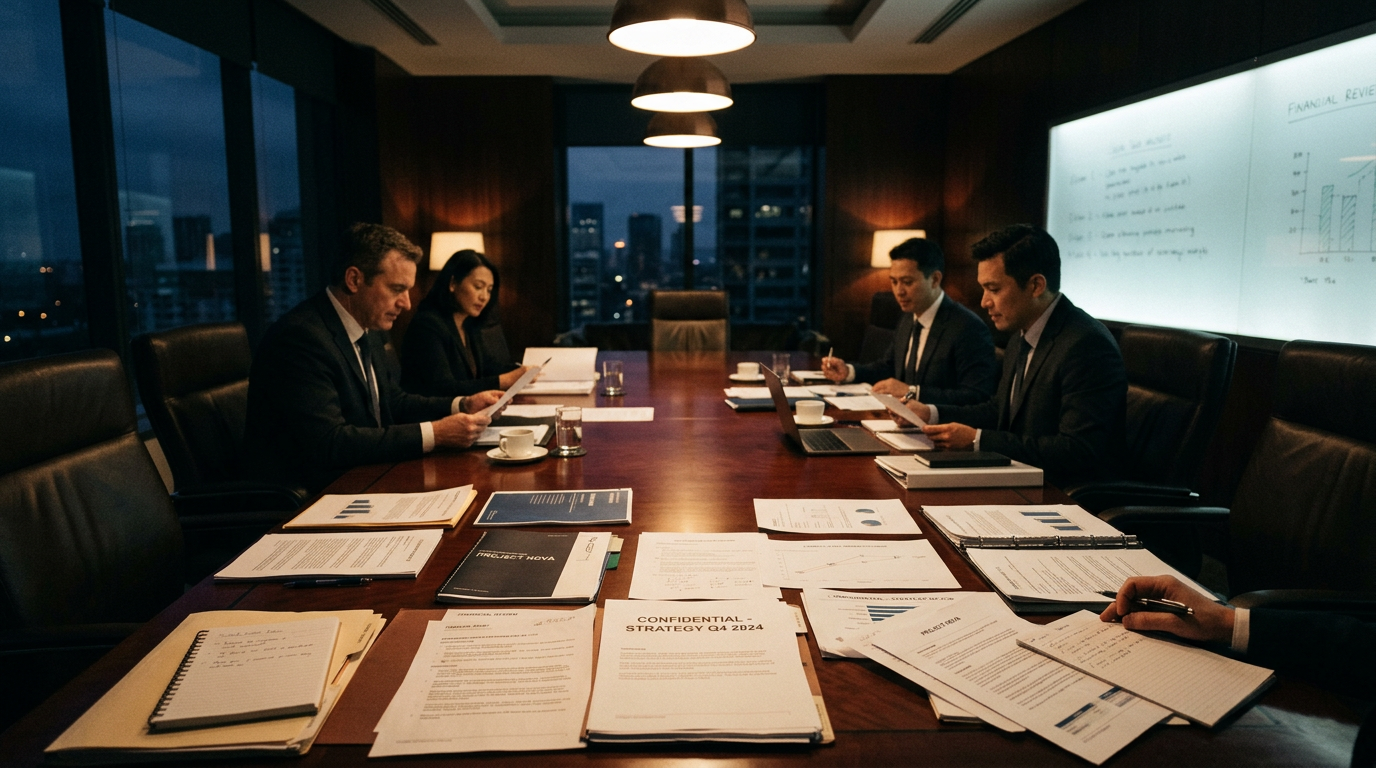
The cover image in this article was AI-generated.