Mexico Urges eBay to Halt Sales of 195 Illicitly Exported Pre-Hispanic Artifacts
Mexico Urges eBay to Halt Sales of 195 Illicitly Exported Pre-Hispanic Artifacts
Mexico’s Ministry of Culture has issued a formal demand to eBay to immediately suspend the online sale of 195 pre-Hispanic archaeological objects listed by a U.S.-based seller in Orlando, Florida. Culture Secretary Claudia Curiel de Icaza announced the action on February 27, 2026, via X, stating that specialists from the National Institute of Anthropology and History (INAH) verified the items as authentic Mexican cultural heritage pieces.
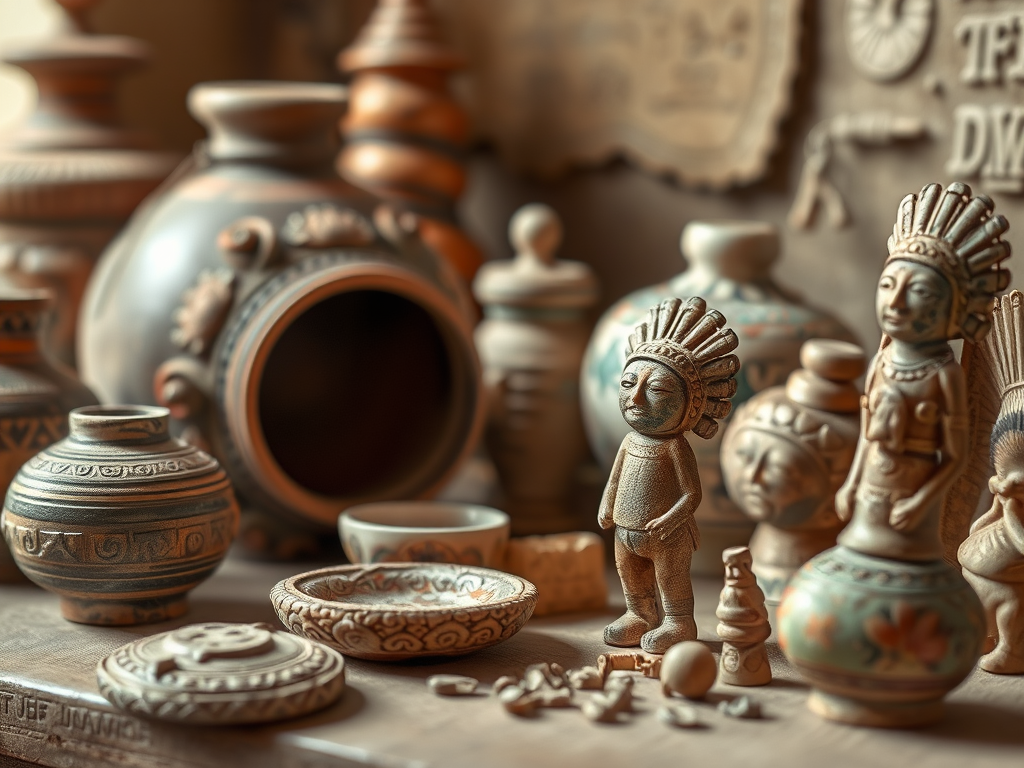
The artifacts—likely including ceramics, figurines, and other relics from ancient Mesoamerican civilizations such as the Maya, Aztec, and Olmec—are protected under Mexican law, which has prohibited their export since 1827. Any presence abroad, the ministry asserts, results from illicit extraction or looting.
In an official letter to eBay, Curiel de Icaza called for the platform to remove the listings, prevent the transactions, and facilitate the return of the objects to Mexico. She emphasized ethical obligations and respect for global cultural patrimony, urging proactive steps to block future sales of similar items.
INAH has escalated the matter by filing a complaint with Mexico’s Attorney General’s office and alerting Interpol, the Ministry of Foreign Affairs, and U.S. authorities including Homeland Security Investigations to intervene and support potential repatriation.
This intervention is part of Mexico’s sustained campaign against the trafficking of pre-Columbian artifacts, which has targeted auction houses, galleries, and online marketplaces in recent years. eBay’s policies already ban sales that violate cultural heritage laws, and the company has cooperated in comparable cases with international bodies like UNESCO.
The case underscores persistent challenges in policing the global online trade of cultural objects, where provenance is often unclear or absent. As of March 2026, the status of the specific listings remains under review, but Mexico continues to prioritize the safeguarding of its ancestral legacy through diplomatic, legal, and public advocacy channels.