Digital Art: The Next $1 Trillion Asset Class?
By Darren Smith, Arts Reporter
July 20, 2026
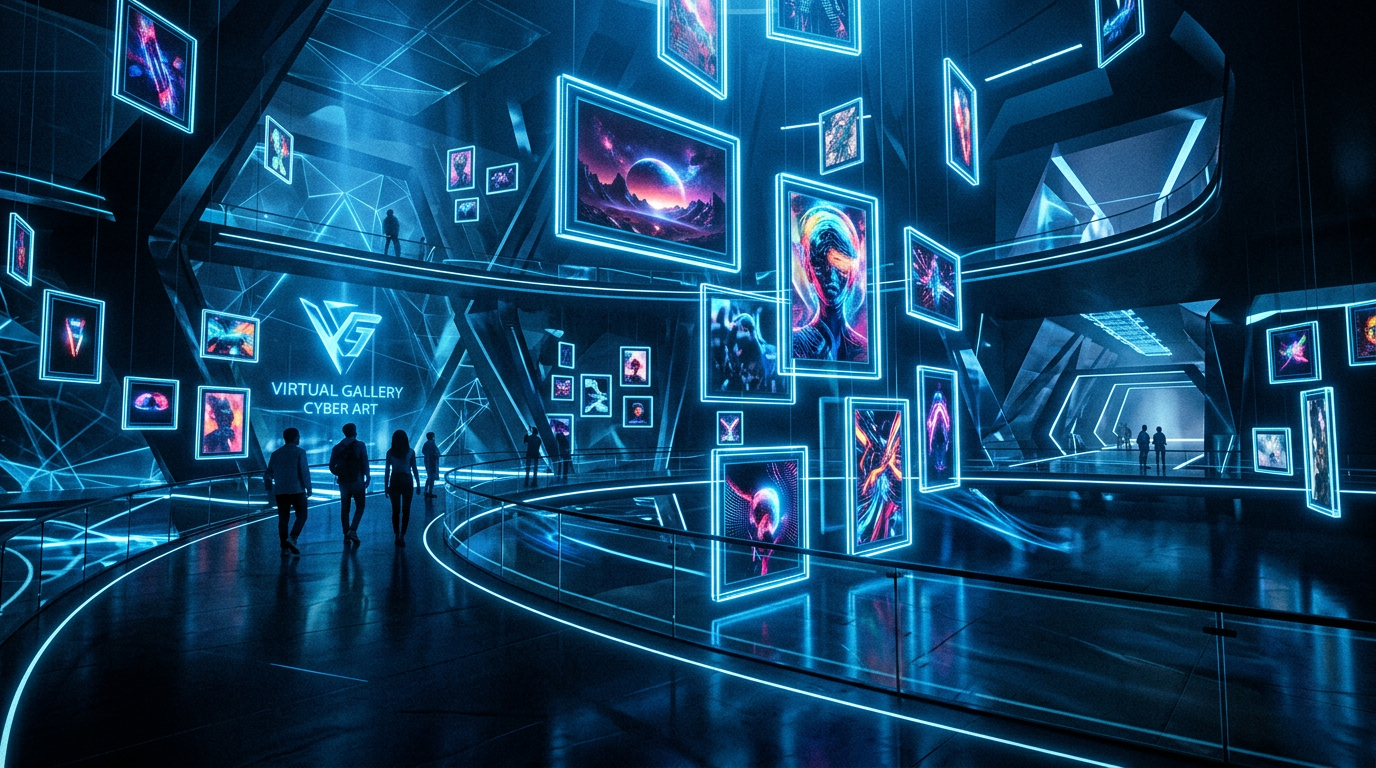
In the sleek virtual galleries of decentralized platforms and the hushed auction rooms of traditional institutions, a quiet revolution is unfolding. Digital art, once dismissed as a fleeting trend tied to cryptocurrency hype, is steadily carving out a legitimate space in the global art economy. As blockchain technology matures and institutional interest grows, the question looms larger than ever: Is digital art poised to become the next $1 trillion asset class?
The numbers tell a story of remarkable resilience amid volatility. The broader non-fungible token (NFT) market, which catapulted digital creations into the mainstream, was valued at approximately $16 billion in 2025 and is projected to reach over $100 billion by 2034, growing at a compound annual rate exceeding 23%. Within this ecosystem, pure digital artwork—generative pieces, AI-assisted visuals, and tokenized originals—currently commands a market size estimated between $6 billion and $13 billion in 2026, with forecasts reaching $13 billion to $35 billion by the early 2030s.
These figures pale against the traditional art market’s hundreds of billions, yet the trajectory sparks optimism. Unlike physical paintings, digital works offer unparalleled advantages: instant global liquidity, programmable royalties that ensure artists earn from secondary sales, and verifiable provenance on the blockchain that eliminates centuries of forgery risks. Pioneers like Beeple, whose Everydays: The First 5000 Days sold for $69 million at Christie’s in 2021, demonstrated that digital pieces could command prices once reserved for Old Masters.
Today, the landscape has evolved beyond speculative flips. Museums such as the Centre Pompidou and the Ashmolean have integrated NFTs into permanent collections, signaling cultural acceptance. Major brands experiment with Web3 artist residencies, while platforms like nft now (https://nftnow.com/) highlight how creators blend AI, generative algorithms, and immersive experiences to captivate new audiences.
Institutional adoption is accelerating this shift. Venture capital flows into infrastructure supporting digital collectibles, and high-net-worth collectors allocate growing portions of portfolios—up to 13% in recent surveys—to digital mediums. Tokenized art appeals particularly to younger demographics fluent in digital natives, who value interactivity and community ownership over static canvas ownership.
Yet challenges persist. The 2022 NFT crash wiped out trillions in perceived value, leaving skepticism in its wake. Sales volumes for art-specific NFTs have stabilized at more modest levels, with monthly figures in the tens of millions rather than billions. Critics argue that much of the early boom was fueled by hype rather than intrinsic artistic merit, and environmental concerns around blockchain energy use linger despite shifts to greener networks.
Proponents counter that these are growing pains. Digital art benefits from technological tailwinds: advancements in augmented reality allow owners to display virtual works in physical spaces, while smart contracts automate fair compensation. As the metaverse and spatial computing expand, the utility of owning rare digital assets increases exponentially.
Consider the parallels with other asset classes. Fine art has appreciated as a store of value for centuries, driven by scarcity and cultural significance. Digital art amplifies scarcity through immutable blockchain records while democratizing access—anyone with an internet connection can participate as creator or collector.
Experts like Pablo Rodriguez-Fraile, featured in industry discussions, emphasize adaptation: artists must innovate beyond static images toward experiential, evolving works that leverage real-time data or community input.

This hybrid model—physical displays paired with digital twins—bridges old and new worlds, potentially unlocking trillions in combined value as the lines blur.
Looking ahead, several catalysts could propel digital art toward that ambitious $1 trillion valuation. Widespread tokenization of blue-chip physical artworks could create hybrid markets worth hundreds of billions. Integration with decentralized finance (DeFi) might allow fractional ownership and lending against digital pieces. Global regulatory clarity, particularly around intellectual property on-chain, would boost confidence.
The total addressable market expands dramatically when considering not just art but all tokenized real-world assets. Real estate, music rights, and luxury goods are already moving on-chain; digital art serves as the cultural gateway.
Skeptics rightly note that reaching $1 trillion would require sustained innovation, mass adoption, and favorable macro conditions. Current projections place the digital art segment far below that threshold in the near term. However, history shows transformative technologies often exceed conservative forecasts. The internet itself birthed trillion-dollar companies from humble beginnings.
As Web3 infrastructure solidifies—with faster, cheaper blockchains and user-friendly wallets—the barriers to entry dissolve. Artists worldwide gain direct monetization paths, bypassing traditional gatekeepers. Collectors build diversified portfolios resistant to geographic or physical risks.
The evidence suggests digital art is not a replacement for traditional forms but a powerful complement, expanding the overall art economy. Its programmable nature introduces novel dynamics: dynamic editions that evolve over time, community-governed collections, and data-driven provenance that enhances storytelling.
Whether it achieves $1 trillion status depends on execution. Yet the foundation is undeniably strong. From garage studios in emerging markets to corporate boardrooms embracing NFT strategies, momentum builds.
The future of art may well be coded, scarce, and borderless. For creators, collectors, and investors attuned to this shift, the opportunity is profound.
Ready to explore the potential of digital art? Visit leading platforms, follow emerging artists on blockchain networks, and consider how tokenized creativity fits into your portfolio or collection. The next masterpiece—and investment—might be just a wallet connection away.
The cover image in this article was AI-generated.


