Venice Museums Face Strike Threat Due to Extreme Heat
By Darren Smith, Arts Reporter
July 20, 2026
In the heart of one of the world’s most celebrated cultural destinations, a growing crisis is testing the limits of Italy’s heritage sector. Trade unionists have issued a formal warning of potential strike action at key Venice museums, citing intolerable working conditions driven by weeks of scorching temperatures that have pushed indoor environments beyond safe thresholds.
The Unione Sindacale di Base (USB), a prominent Italian labor union, has signaled a formal labor dispute—a standard precursor to strikes—targeting institutions under two major clusters: the National Archaeological Museums of Venice and the Lagoon (MAN-VE-LAG) and the Veneto Regional Directorate of National Museums (DRMNV). These networks encompass iconic sites such as the Giorgio Franchetti Gallery at Ca’ d’Oro and the Museo di Palazzo Grimani, where priceless artworks draw millions of visitors each year. With summer heatwaves intensifying across Europe, museum staff report sustained temperatures above 30°C, compounded by high humidity that creates a perceived heat of up to 40°C, raising serious concerns about health risks including exhaustion, cramps, and heatstroke.
Gabriele Raise, a USB representative leading the effort, emphasized that the union has raised these issues repeatedly since last summer. “We have requested an urgent meeting on July 1, but have yet to receive any response,” he noted. The union’s own guidelines recommend suspending work when perceived temperatures exceed 35°C to protect employee wellbeing. Raise highlighted specific failures at the National Archaeological Museum of Venice, including inadequate maintenance of fan coils and windows, and a lack of basic provisions like water or heatstroke training for staff.
This situation is not merely a labor dispute; it strikes at the core of Venice’s identity as a global beacon of art and history. Visitors flock to these museums to admire masterpieces in historic palazzos, yet the very spaces meant to preserve culture are now endangering those who safeguard it. The union’s statement, shared exclusively with media outlets, describes the conditions as “an intolerable situation that not only jeopardises the health and safety of workers, but also seriously undermines the dignity of the visitor experience and the very protection of the artistic heritage on display.” High humidity exacerbates the problem, accelerating potential damage to sensitive artifacts while forcing staff into prolonged discomfort.
Management from MAN-VE-LAG and DRMNV acknowledged the challenges in non-air-conditioned areas. In a joint response, they stated they have shared operational guidelines with staff and introduced greater flexibility, allowing employees breaks in cooler spaces. They are also collaborating with Italy’s culture ministry to adapt historic buildings within strict preservation constraints. “The reported issues have long been the attention of the relevant offices, which have carried out the necessary inspections and scheduled the required works,” officials said. However, the USB counters that communications have been largely verbal, demanding formal written protocols for transparency and accountability.
This threat emerges against a backdrop of broader climate pressures on cultural heritage. Venice, already vulnerable to rising sea levels and acqua alta flooding, now faces intensified heatwaves that strain both infrastructure and personnel. Similar concerns have echoed across Italy, where unions have protested extreme conditions affecting outdoor and indoor workers alike. The museum clusters in question manage some of the lagoon city’s most visited attractions, making any disruption potentially significant for tourism—a vital economic lifeline.
Experts warn that without swift intervention, the situation could escalate. Historic buildings, designed centuries ago without modern climate control in mind, pose unique retrofit challenges under Italy’s rigorous heritage laws. Yet unions argue that staff safety cannot wait. “Workers are not expendable,” Raise asserted, pointing to repeated unheeded warnings. The dispute underscores a tension between preserving architectural integrity and ensuring livable conditions in an era of climate change.
For art enthusiasts planning a trip to Venice, the implications are clear: potential closures or reduced hours could affect access to treasures spanning millennia. Beyond immediate logistics, this conflict highlights systemic issues in the cultural sector—underfunding, aging infrastructure, and the human cost of stewardship. As global temperatures rise, museums worldwide grapple with similar dilemmas, from inadequate cooling systems to staff burnout.
The USB’s move signals a pivotal moment. If negotiations fail, strike action could disrupt operations at key sites, drawing international attention to the plight of cultural workers. Supporters of the arts are watching closely, recognizing that protecting those who protect our shared heritage is essential for the sector’s future.
Visitors, scholars, and concerned citizens can support fair conditions by staying informed and advocating for sustainable museum practices. Learn more about the union’s guidelines here (https://www.reteiside.it/wp-content/uploads/2026/01/VademecumStress-Termico-Giusto.pdf) and follow developments via The Art Newspaper’s coverage (https://www.theartnewspaper.com/2026/07/20/union-threatens-strike-action-over-working-conditions-in-venice-museums-due-to-extreme-temperatures). Share this story, contact local representatives, or explore ways to back climate-resilient cultural initiatives. Your voice matters in preserving both the art and the people who bring it to life
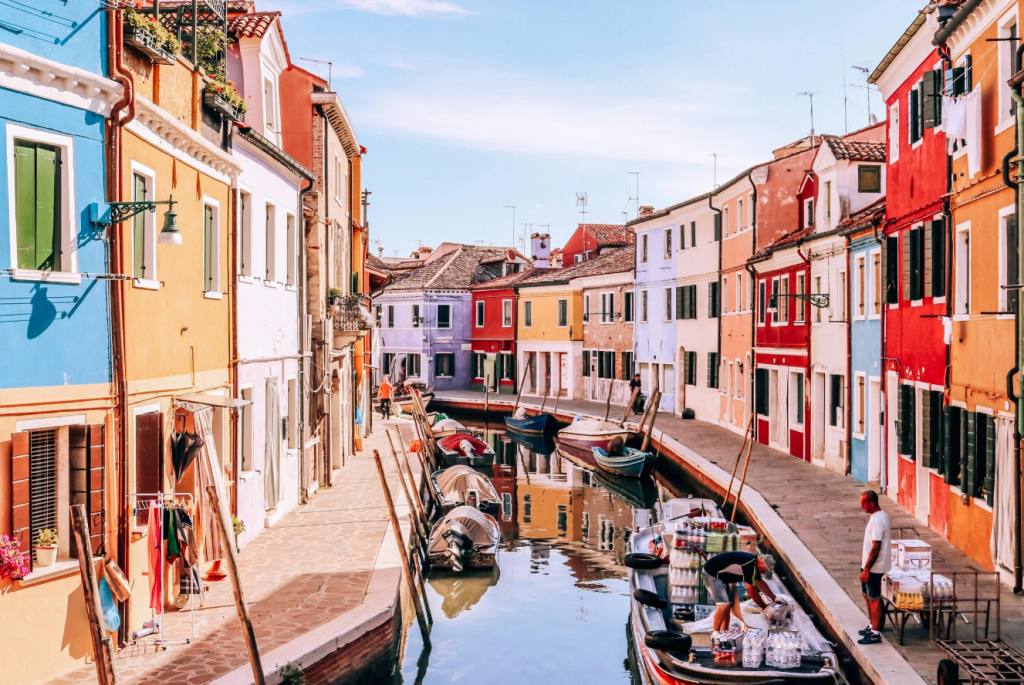
The cover image in this article was AI-generated.