Beyond the Canvas and the Chain: How Traditional and Web3 Artists Are Forging a Hybrid Future in 2026
By Darren Smith, Arts Reporter
April 14, 2026
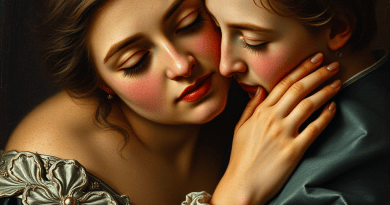
NEW YORK — April 20, 2026 — In a quiet studio in Brooklyn, a painter who once sold canvases exclusively through Chelsea galleries now mints limited-edition NFTs of her latest series while preparing physical editions for a major fair. Across the Atlantic, a generative code artist whose work lives primarily on the blockchain has secured gallery representation in London and sees his algorithms translated into large-scale prints for museum walls.
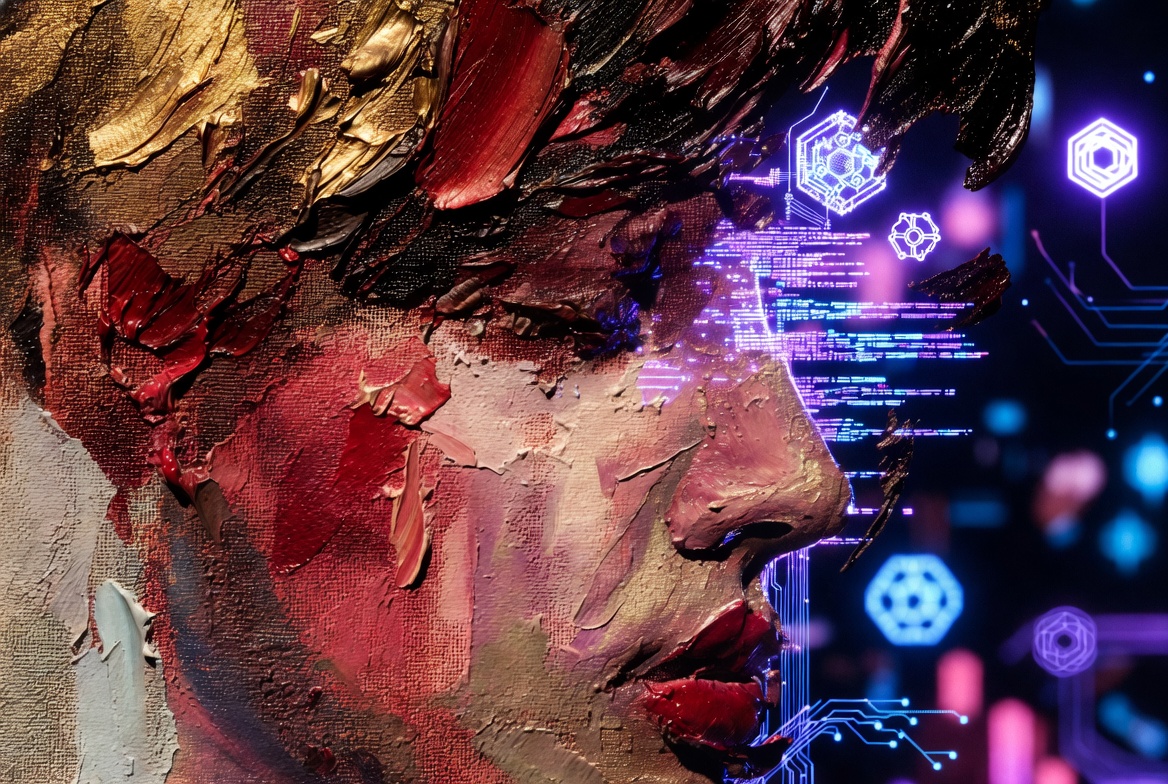
These scenes, once rare, are becoming commonplace in 2026. The long-predicted convergence of traditional fine art and Web3 is no longer hype or speculation—it is a maturing reality reshaping how art is made, sold, owned, and experienced.
As the global art market stabilizes after years of volatility, artists from both worlds are discovering shared ground: a desire for greater control over their work, direct relationships with collectors, and new ways to expand creative possibilities. For readers invested in the ecosystem—whether as collectors, creators, or curious observers—this bridging matters because it signals a more inclusive, resilient, and innovative future for art.
The Historical Rift and the Slow Thaw
The divide between traditional and digital/Web3 art once felt stark. Traditional practices emphasized the unique physical object, provenance through galleries and auction houses, and tactile qualities prized by collectors. Web3 art, born in the 2017–2021 NFT boom, celebrated scarcity on the blockchain, programmable creativity, and community-driven ownership.
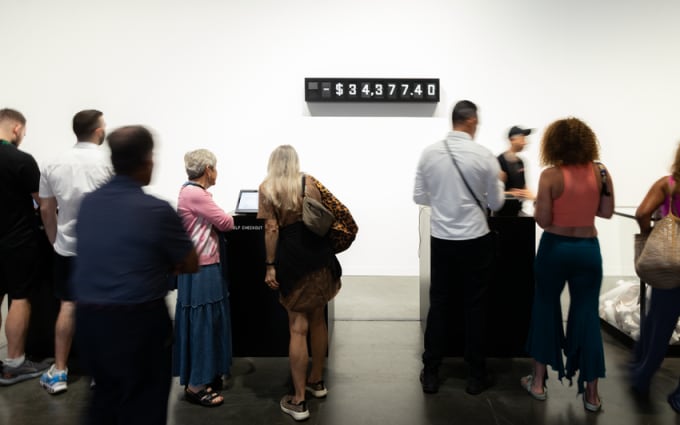
Early skepticism ran deep on both sides. Traditional gatekeepers dismissed NFTs as speculative bubbles detached from artistic merit. Many in the crypto-native space viewed galleries as outdated intermediaries clinging to old power structures.
Yet precedents for convergence existed long before the NFT era. Artists like Nam June Paik and Lynn Hershman Leeson integrated technology into physical installations decades ago. The 2000s saw digital prints and video art gain institutional traction, while pioneers such as Rafael Lozano-Hemmer blended code with interactive sculpture.
The 2021 Beeple sale at Christie’s for $69.3 million forced a reckoning, proving digital works could command blue-chip prices. Subsequent market corrections in 2022–2023 weeded out pure speculation, leaving space for substantive experimentation. By late 2025, institutions began serious acquisitions: the Museum of Modern Art added eight CryptoPunks and eight Chromie Squiggles (from the Art Blocks platform) to its permanent collection in the Media and Performance department.
Key Milestones in the Bridge (2024–2026):
- Art Basel’s launch of Zero 10, a curated section for art of the digital era, debuting at Miami Beach in December 2025 and making its Asia debut at Hong Kong in March 2026, with plans for Basel in June 2026.
- Major galleries actively representing hybrid or NFT-native artists.
- Tokenization experiments, such as fractional ownership of physical works via blockchain or NFTs accompanying canvases for enhanced provenance.
- Phygital exhibitions where buyers receive both a physical piece and its digital twin or certificate.
As a practicing artist and tattooist with more than 26 years of experience across media, I have witnessed similar boundary-blurring in body art. Tattoos were once dismissed by the fine art world as “low” culture; today, tattoo artists exhibit in museums, collaborate with painters, and explore permanence versus the ephemeral nature of digital works. The analogy holds: what begins as outsider practice often enriches the center when prejudices soften.
Current Landscape: Real Collaborations and Institutional Shifts
In 2026, the bridging manifests in multiple forms. Traditional artists are entering Web3 not merely for quick sales but to experiment with ownership models and reach global audiences without gallery exclusivity. Conversely, Web3-native creators seek the validation, curatorial depth, and physical presence that established institutions provide.

Galleries increasingly serve as translators. At Art Basel’s Zero 10 section, visitors encounter generative art, robotics, and hybrid installations that sit comfortably alongside traditional booths. Museums are catching up. The Museum of Art + Light in Manhattan, Kansas, is currently hosting “EMULATION: Selections from the Art Blocks 500,” an exhibition featuring physical outputs and rotating digital displays from ten generative artists, marking the platform’s 500th project milestone.
Artists themselves drive much of the innovation:
- Painters creating NFT editions alongside physical originals, allowing collectors to own both the canvas and a programmable digital variant.
- Generative artists producing physical outputs—prints, sculptures, or interactive installations—derived from on-chain code.
- Hybrid practices where blockchain records provenance for traditional media, enabling automatic resale royalties that benefit living artists more equitably than legacy systems.
These developments carry market implications. The global art market returned to growth in 2025, rising 4% to an estimated $59.6 billion. Hybrid and institutional activity has grown even as pure NFT speculation cooled. Phygital models appeal to legacy collectors wary of purely digital holdings while offering transparency and new utility.
Notable Trends in 2026:
- Increased institutional acquisitions of both native digital works and tokenized traditional pieces.
- Rise of on-chain provenance for physical art, reducing forgery risks and enabling seamless secondary markets.
- Collaborative projects where traditional and Web3 artists co-create, blending hand techniques with algorithmic elements.
- Greater emphasis on community and sustained engagement beyond one-off drops.
Intersections Across Art Worlds: Traditional, Web3, and Body Art
The bridging extends beyond painting and pixels. Body art offers a compelling parallel and point of contact. Tattoos are inherently “phygital”—permanent marks on living canvas that carry personal narrative, much like an NFT tied to identity or story. Some tattoo artists now mint designs as NFTs or create limited-edition flash sheets with blockchain certificates, allowing collectors to own the concept while the wearer embodies the art.
In my own practice, I have seen clients request tattoos inspired by generative patterns or on-chain artworks. Conversely, Web3 artists incorporate bodily themes—identity, permanence, transformation—into digital pieces that later inspire physical ink. This cross-pollination enriches both: traditional and body artists gain new distribution tools, while Web3 gains emotional, corporeal depth that pure code sometimes lacks.
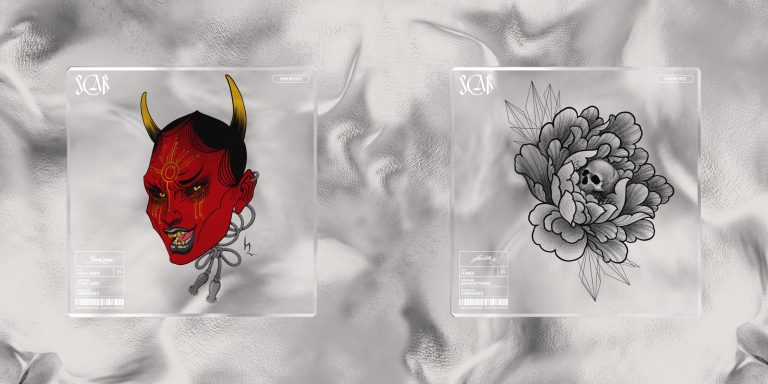
Collectors benefit from greater choice. A buyer might acquire a traditional oil painting with an accompanying NFT that unlocks digital extensions or community access. Or they might collect a generative series that includes rights to produce physical editions. Such models expand accessibility without diluting rarity.
Challenges persist. Technical barriers—wallets, understanding smart contracts—still deter some traditional practitioners. Questions of artistic intent arise when code generates infinite variations versus the singular handmade mark. Environmental concerns around certain blockchains linger, though shifts toward more efficient networks help address them.
Intellectual property and authorship debates continue, especially in AI-assisted works. Yet these tensions often spark richer dialogue about what constitutes creativity in an era of abundant tools.
Looking Forward: Questions for the Next Chapter
The convergence of traditional and Web3 art does not mean one world subsumes the other. Instead, it suggests a more pluralistic ecosystem where different practices coexist, inform, and occasionally merge.
Will major museums dedicate permanent wings to digital and hybrid works? How will collectors’ tastes evolve as younger generations, fluent in both physical and virtual realms, enter the market? Can the art world maintain critical depth amid decentralized creation?
As someone who has spent decades navigating the physical demands of paint, ink, and skin alongside the excitement of new tools, I believe the most compelling art will continue to emerge from artists who respect craft while embracing possibility. The bridge is not about choosing sides but about expanding the studio—whether that studio is a loft with easels or a laptop running generative scripts.
The coming years will test whether this hybridization produces lasting cultural value or merely sophisticated marketing. Early signs—thoughtful exhibitions, serious acquisitions, and artists thoughtfully translating between mediums—point toward substance over spectacle.
Readers, whether you collect canvases, NFTs, or tattoos, now face an invitation: engage with artists who move fluidly across these worlds. Attend hybrid shows. Ask questions about provenance and process. Support creators experimenting at the edges.
The future of art may not reside solely on the wall or the blockchain, but in the meaningful connections we build between them.
Darren Smith is an Arts Reporter at Art Chain News covering contemporary art, digital art and NFTs, body art, and the intersections between these fields.