Sara Anstis: Soft Pastels, Mythic Bodies, and the Wild Edge of Contemporary Figuration in 2026
By Darren Smith, Arts Reporter
April 14, 2026
NEW YORK — April 20, 2026 — In a year when the art world grapples with geopolitical disruptions, digital accelerations, and calls for deeper ecological awareness, Sara Anstis draws viewers into intimate, unruly worlds where bodies commune with landscapes in states of tender chaos or quiet revelry. Her soft pastel drawings and oil paintings pulse with a visceral energy that feels both timeless and urgently of the moment.
Raised on a remote island off Canada’s west coast and now based in London, Anstis has steadily built a practice that resists easy categorization. Her figures—often androgynous or fluid—navigate imagined terrains of burdock leaves, tangled undergrowth, and luminous baths, evoking folklore while probing modern questions of identity, connection, and the non-human world. As major institutions and galleries amplify her presence in 2026, Anstis emerges not merely as a skilled draftsman but as a thoughtful explorer of how we inhabit bodies and environments alike.

This matters profoundly in 2026. With climate narratives dominating cultural discourse and digital art promising disembodied experiences, Anstis anchors us in the physicality of mark-making and the sensuality of the drawn line. Her work offers a counterpoint: slow, haptic, and deeply human, even as it flirts with the mythic and the wild.
Roots and Formation: From Island Light to International Recognition
Sara Anstis was born in Stockholm in 1991 but spent formative years on Salt Spring Island, British Columbia—a place where dense forests, shifting tides, and isolated communities shape perception. She earned a BFA in Studio Art and Sociology from Concordia University in Montreal (2013) and an MFA from Valand Academy in Gothenburg (2016), later completing the Drawing Year at the Royal Drawing School in London (2018).
These experiences layered influences: sociological curiosity about human systems, Scandinavian restraint, and the raw ecology of coastal Canada. Early works already hinted at her signature approach—soft pastels building luminous, textured surfaces that invite touch even as they depict distance or entanglement.
Her trajectory accelerated through residencies and grants, including support from the Elizabeth Greenshields Foundation, Jerwood Arts, and others. Solo exhibitions at Kasmin Gallery (New York), Perrotin, Bradley Ertaskiran (Montreal), and Various Small Fires (Seoul) established her voice. Group shows and fairs further broadened reach, but 2025–2026 marks a clear inflection: heightened critical attention, gallery representation milestones, and collector interest reflecting broader market appetite for figurative work grounded in material intelligence.
As someone who has spent 26 years as a practicing artist and tattooist, I recognize in Anstis’s process the same deliberate patience required in fine line tattooing or building a large-scale drawing. Each mark carries weight; layers accumulate like memory or scar tissue. Her choice of soft pastel—fragile yet capable of velvety depth—mirrors the vulnerability and resilience of skin itself, a medium I know intimately from body art.
The Language of Materials: Pastel, Oil, and the Body in Landscape
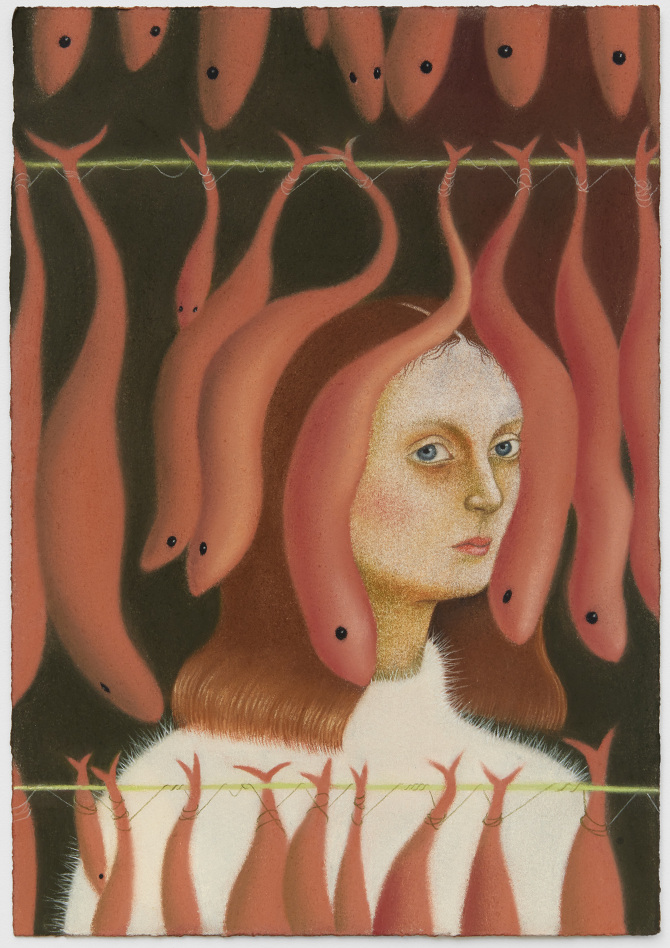
Anstis works primarily in soft pastel on paper and oil on panel or canvas. Pastels allow immediate, gestural application while permitting blending that creates atmospheric haze or sharp botanical detail. In pieces like Burdock or bath scenes, leaves and water become characters alongside human forms—sometimes merging, sometimes observing.
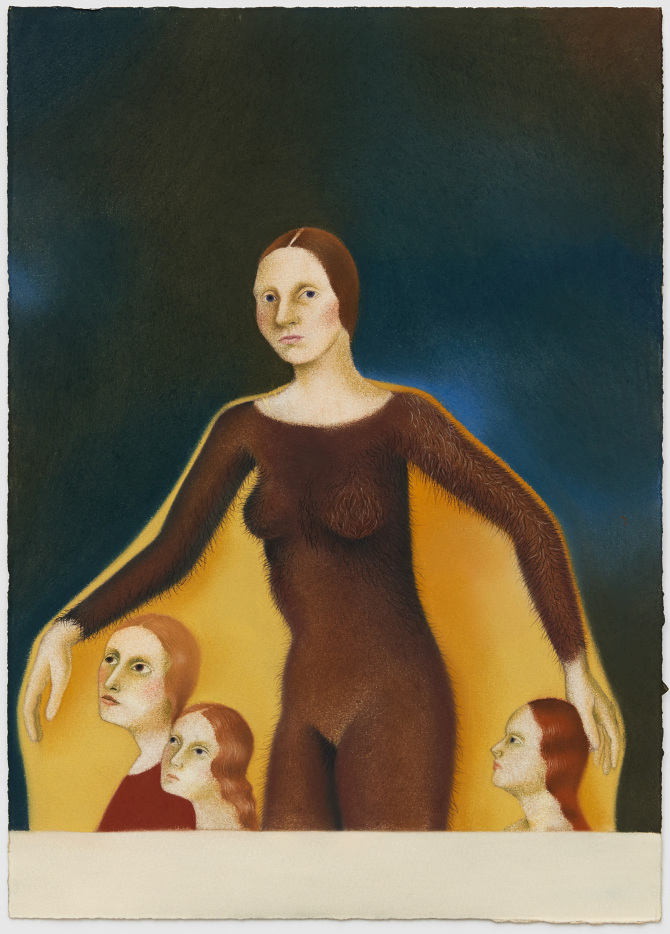
Her figures resist idealization. They lounge, wrestle, run, or rest in states of undress or partial covering, their poses suggesting ritual, play, or quiet introspection. Flesh tones shift under dappled light; limbs entwine with roots or vines. This is not classical figuration but a contemporary reworking of pastoral and mythological traditions—echoing Bosch or Arcimboldo in surreal undertones, yet filtered through a feminist and ecological lens.

Critics note her ability to evoke tenderness alongside unruliness. Bodies appear autonomous yet interdependent with their surroundings, challenging anthropocentric views. In 2026, amid heightened awareness of biodiversity loss and human impact, such imagery resonates as both elegy and invitation to re-enchantment.
Key Elements in Anstis’s Visual Vocabulary:
- Sensuous texture: Layered pastels create tactile surfaces that reward close viewing.
- Fluid gender and form: Figures often blur binaries, emphasizing shared embodiment with nature.
- Ecological embedding: Plants, water, and light function as active participants rather than backdrops.
- Mythic undertones: Scenes hint at folklore, transformation, or communal rites without literal storytelling.
Comparisons to historical precedents illuminate her originality. Like Paula Rego or Jenny Saville, Anstis reclaims the body from objectification. Yet her lighter palette and imaginative settings distinguish her from heavier expressionist traditions. Where digital artists in the Web3 space construct avatars or procedural worlds, Anstis grounds fantasy in the labor of the hand—each stroke a record of time and pressure.
Market Momentum and Institutional Breakthroughs in 2026
The art market in recent years has shown renewed enthusiasm for skilled figurative painting and drawing, particularly works that balance accessibility with conceptual depth. Anstis’s pieces—often mid-to-larger scale yet intimate in feeling—appeal to collectors seeking tangible alternatives to purely digital assets. Auction results and gallery sales for comparable emerging figurative artists have strengthened, with pastel and works on paper offering entry points at more approachable price levels while signaling serious intent.
In 2026, her profile rises through strategic exhibitions and commissions. Participation in major fairs, alongside growing secondary market interest, positions her within a cohort of artists redefining contemporary drawing. Institutional attention further validates the trajectory: placements in collections and curatorial projects underscore long-term relevance beyond commercial cycles.
For collectors, Anstis represents a compelling intersection. Her works bridge traditional craft with timely themes, offering both aesthetic pleasure and conversational substance. In a market still digesting NFT volatility and hybrid models, her emphasis on physicality and slowness provides ballast.
Web3 intersections emerge organically. While Anstis works analog, her imaginative worlds could translate to immersive digital experiences or tokenized editions that document process—perhaps time-lapse drawing sessions or generative variations on motifs. Such hybrids might appeal to collectors navigating both physical and blockchain ecosystems. Body art parallels feel especially resonant: tattoos, like her drawings, mark the body permanently yet evolve with the wearer’s life. Anstis’s figures, marked by landscape and interaction, echo how ink becomes part of living skin—personal mythology inscribed physically.
Deeper Resonances: Ecology, Subjectivity, and the Artist’s Hand
Anstis’s practice invites reflection on how we locate the self amid ecological entanglement. Her sociology background surfaces in subtle explorations of community and isolation—figures together yet absorbed in private reveries, much like island life or urban anonymity.
In my own dual practice, I’ve witnessed how tattoo clients seek permanence amid flux; similarly, Anstis’s drawings capture fleeting light or gesture while suggesting enduring bonds between human and more-than-human. This is not romantic escapism but a grounded reckoning: beauty coexists with fragility, revelry with potential unraveling.

The work also dialogues with broader 2026 conversations around craft revival. As automation and AI generate imagery at scale, the visible hand—evident in pastel’s granular texture or oil’s brushwork—reasserts human agency and imperfection as virtues. Anstis’s technical mastery never overshadows emotional or thematic content; technique serves vision.
Potential challenges include sustaining momentum without formulaic repetition, a common pitfall for emerging voices gaining rapid attention. Yet her consistent evolution—from early discrete scenes to more complex ecological embeddings—suggests capacity for growth. Future directions might involve larger installations incorporating sound or participatory elements, further bridging drawing with immersive experience.
Intersections Across Art Worlds
Traditional fine art roots ground Anstis, yet her fluid figures and invented landscapes align with digital artists experimenting in world-building. NFT projects often explore avatar identity or virtual ecologies; Anstis offers a physical precedent—bodies already hybrid, already in dialogue with environment.
In body art, the parallel is direct. Tattooing transforms skin into canvas for personal or cultural narrative. Anstis’s figures, adorned by nature rather than ink, prompt questions: What marks do we carry from place and relationship? How does the body become landscape, and landscape body?
These crossovers enrich the ecosystem. A collector drawn to her pastels might also engage kinetic or biofeedback works by artists like Bagus Pandega, or community-driven tattoo projects. In 2026, such interconnections prevent silos, fostering richer conversations.
Notable Works and Motifs to Explore:
- Bath scenes: Intimate rituals of cleansing and reflection amid verdant surroundings.
- Botanical entanglements: Human forms woven with leaves, suggesting symbiosis or struggle.
- Running or procession pieces: Movement as liberation or ritual migration.
- Still, luminous portraits: Quiet intensity that rewards prolonged looking.
Looking Ahead: Questions for the Next Chapter
Sara Anstis’s ascent in 2026 highlights the enduring power of intimate, material-driven practices amid global uncertainty. Her worlds remind us that art can slow time, heighten sensation, and reimagine relations between self, other, and earth.
As exhibitions unfold and new works emerge, key questions arise: How will she scale her intimate vision without losing tactile immediacy? Can her ecological sensibilities influence broader cultural shifts toward repair and reciprocity? And in an era of rapid image circulation, what lasting value resides in the slow accumulation of pastel dust and deliberate marks?
For artists, collectors, and enthusiasts, Anstis offers inspiration to value process as much as product—to find wildness and tenderness in the act of making itself. Her practice, rooted in specific light and personal history, speaks universally to our shared need for connection in fractured times.
Darren Smith is an Arts Reporter at Art Chain News covering contemporary art, digital art and NFTs, body art, and the intersections between these fields.