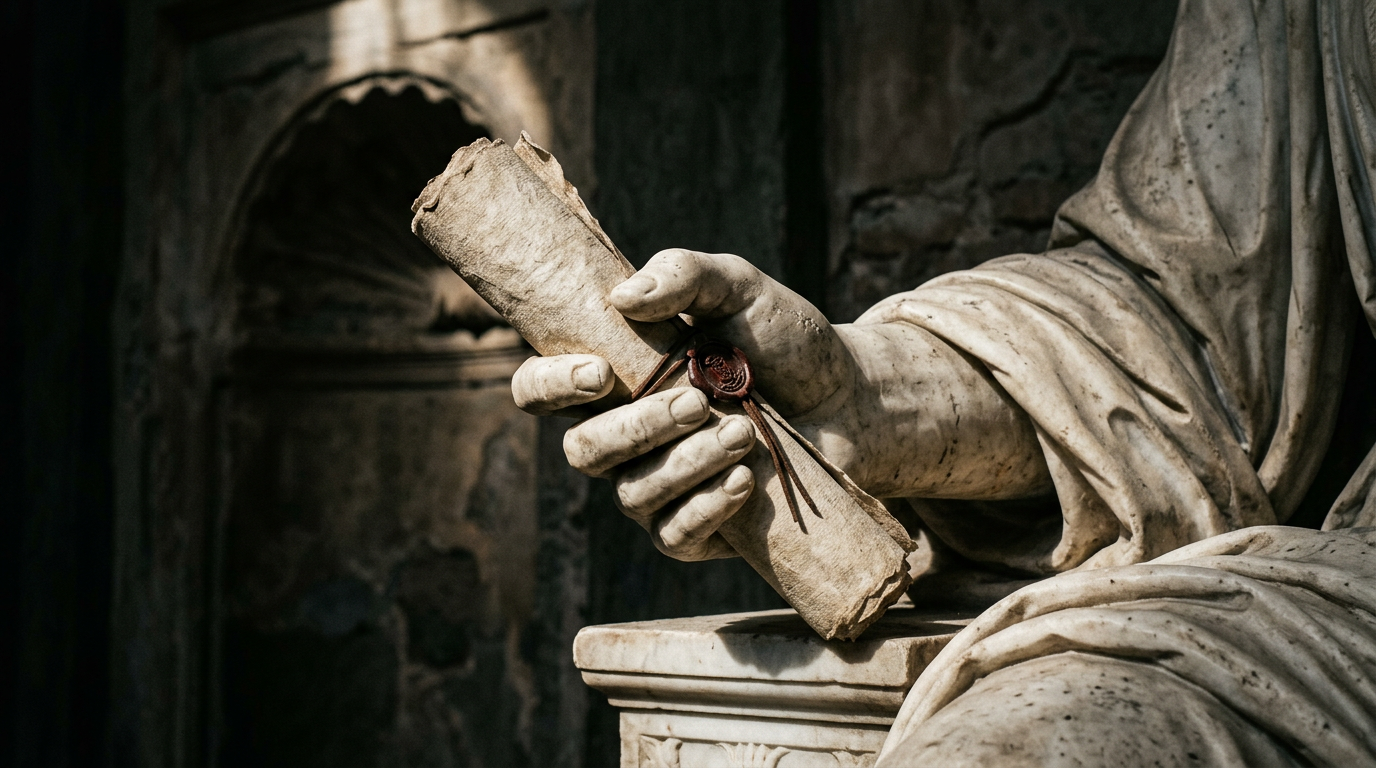
Trump Unveils Thomas Jefferson Statue in White House Garden
By Darren Smith, Arts Reporter
July 22, 2026
In a move that underscores his administration’s emphasis on American founding principles and historical commemoration, President Donald Trump has unveiled a striking new bronze sculpture of Thomas Jefferson in the iconic White House Rose Garden. This latest addition marks the fifth statue installed on the White House grounds during Trump’s current term, continuing a deliberate effort to highlight the nation’s revolutionary heritage amid ongoing debates about public monuments and national identity.
The installation, completed earlier today, positions Jefferson prominently among blooming roses and manicured hedges, with the sculpture capturing the third president in a contemplative pose, quill in hand, evoking his role as the principal author of the Declaration of Independence. White House officials described the piece as a “timeless tribute to the architect of American liberty,” crafted in durable bronze to withstand the elements and endure for future generations. Trump personally oversaw aspects of the placement, according to sources familiar with the project, viewing it as a counter to what he has called “historical erasure” in other parts of the country.
This development fits into a broader pattern under Trump’s leadership. Since returning to office, the president has prioritized enhancing the White House’s visual narrative with statues of Founding Fathers and Revolutionary War heroes. The Jefferson sculpture joins similar installations honoring figures like George Washington and others who shaped the republic. Critics have questioned the timing and selection process, suggesting it serves as political symbolism, while supporters praise it as a restoration of patriotic pride in federal spaces.
Thomas Jefferson, the Virginia-born statesman, diplomat, and inventor, remains one of the most complex figures in American history. His contributions to democracy, including the Louisiana Purchase and the establishment of the University of Virginia, are legendary, yet his legacy is also marked by contradictions, particularly regarding slavery and his relationship with enslaved people at Monticello. The new sculpture does not shy away from Jefferson’s full stature—standing approximately life-size or slightly larger—but focuses on his intellectual and leadership qualities rather than delving into modern reinterpretations.
Art historians and preservationists have welcomed the addition for its artistic merit. The bronze work features fine detailing in Jefferson’s attire and facial expression, rendered by skilled sculptors drawing from classical traditions. “This piece brings a sense of gravitas and permanence to the Rose Garden,” noted one expert in a statement shared with reporters. The garden itself, famously redesigned by Jacqueline Kennedy in the 1960s, has long served as a venue for both private reflection and public diplomacy, making it an ideal backdrop for such commemorative art.
Trump’s decision aligns with his long-standing interest in visual symbolism. During his first term, he championed similar monument protections through executive actions. The current installation comes at a time when national conversations about statues—ranging from Confederate memorials to progressive reinterpretations of founders—continue to polarize. By installing the Jefferson bronze, the administration signals a firm stance on preserving traditional historical narratives.

Reactions poured in swiftly across political and cultural spheres. Republican leaders hailed the move as “a bold reaffirmation of our founding ideals,” while some Democratic voices expressed concern over what they see as selective history. Public interest has surged, with visitors already inquiring about viewing opportunities during garden tours. The sculpture’s placement ensures it will feature prominently in official events, from rose garden press briefings to international summits.
Beyond politics, the artistic community has taken note. Bronze sculptures of this caliber require significant expertise in metallurgy and patina application to achieve lasting beauty. Jefferson’s depiction draws inspiration from historical portraits by artists like Gilbert Stuart, ensuring authenticity. This project also highlights ongoing support for American artisans and foundries, potentially boosting related industries.
As the sun sets on Washington, the Jefferson sculpture casts a long shadow—both literal and figurative—across the Rose Garden’s pathways. It invites passersby to reflect on the enduring words of the Declaration: “We hold these truths to be self-evident, that all men are created equal.” In an era of rapid change, Trump’s installation reminds the nation of its roots while sparking fresh dialogue about how best to honor the past.
The White House has not yet released full details on the sculptor or exact cost, but officials confirm the piece was funded through private donations aligned with presidential initiatives. Future plans may include additional installations, further transforming the executive mansion’s grounds into a living museum of American exceptionalism.
This latest chapter in White House aesthetics underscores a key truth: art and politics are inseparable when it comes to shaping collective memory. Whether celebrated or critiqued, the new Thomas Jefferson bronze sculpture stands as a tangible expression of one administration’s vision for America’s story.
Visit the White House website to learn more about public tours and garden access. Share your thoughts on this installation in the comments below, and subscribe to our newsletter for continued coverage of art, politics, and history at the highest levels of government. What founding figure should be commemorated next? Let us know!
The cover image in this article was AI-generated.