The Rise of Temporary Tattoo Printers: A Creative Revolution
By Darren Smith, Arts Reporter
July 8, 2026
In the ever-expanding universe of quirky tech gadgets promising to revolutionize everyday creativity, few products capture the imagination quite like the latest wave of at-home temporary tattoo printers. Priced around $500, these sleek devices blend smartphone connectivity, specialized ink, and precision printing to let users design and apply custom body art in minutes — no appointment or commitment required. But when one popular content creator put a highly anticipated model through its paces as part of a larger review of poorly rated art tools, what began as lighthearted experimentation quickly spiraled into unintended family drama and a stark reminder of the gap between viral hype and real-world results.
The video, which has already racked up significant views across platforms, forms part of a broader series testing gadgets with dismal customer reviews. Among floating ink pens that refused to levitate, scented colored pencils with faint aromas, chocolate-based drawing tools that melted under studio lights, and glow-in-the-dark paints that barely shimmered, the $500 temporary tattoo printer stood out as the main event. Marketed as a safe, non-toxic way to experiment with designs — from delicate florals to bold geometric patterns — the device promised water-resistant ink lasting up to 24 hours and seamless integration with design apps.
Viewers watched as the creator carefully prepped his skin, selected a striking chest design via the companion app, and activated the printer. The machine hummed efficiently, depositing ink with surprising precision. For a moment, it appeared the gadget might defy expectations. The resulting tattoo looked impressively professional — sharp lines, vibrant shading, and a placement that turned the creator’s torso into a temporary canvas. “This could actually be fun for parties or events,” he remarked on camera, flexing to show the full effect under bright lights.
Yet the real twist arrived not from the print quality itself, but from its social ripple effects. In a moment of impulsive enthusiasm, the creator snapped a photo and sent it to the family group chat without much context. What followed was a flurry of concerned messages, misinterpreted jokes, and frantic calls that highlighted how even “temporary” ink can create permanent misunderstandings. Relatives questioned everything from his mental state to potential job implications, turning a gadget test into an impromptu family intervention. The clip captures the escalating chaos with raw authenticity, blending humor and mild cringe in a way that resonates with anyone who has ever shared an unfiltered update with loved ones.
This incident underscores broader conversations about consumer tech in the creative space. Temporary tattoo printers, such as models from Prinker and similar brands showcased at events like CES 2026, have generated excitement for their accessibility. They allow users to test tattoo ideas risk-free, support event marketing, or simply indulge in playful self-expression. Proponents highlight the non-toxic inks, ease of removal, and customization options that could democratize body art for those wary of permanent commitment. Parents envision supervised fun for teens, while event planners see potential for branded experiences.
However, the review also exposes limitations that echo longstanding criticisms of gadget culture. Application requires practice; early attempts on sensitive areas like the face or chest can smudge or appear uneven. Ink longevity varies with skin type, activity level, and exposure to water or friction. At $500, the price point raises questions about value when results depend heavily on user skill and environmental factors. Reviewers have noted inconsistencies in app compatibility, cartridge costs, and overall durability compared to professional temporary tattoo services or even high-quality decals.
The creator’s experience aligns with a pattern seen in other art-tech experiments. Similar devices, including mini thermal printers for stencils or inkless transfer systems, often deliver mixed outcomes despite polished marketing. Some users achieve salon-like results after multiple trials, while others report fading within hours or designs that look pixelated up close. Safety remains paramount: while most reputable models use skin-safe formulations, experts recommend patch-testing and consulting dermatologists for those with sensitivities. Regulatory bodies continue monitoring the sector as these tools blur lines between toys, cosmetics, and professional equipment.
Beyond the immediate entertainment factor, the video sparks thoughtful discussion on digital permanence versus physical impermanence. In an era where social media amplifies every experiment, the line between content creation and personal consequence blurs. The family chat reaction, though comedic in hindsight, illustrates how quickly a fun test can escalate. It also prompts reflection on why consumers chase expensive novelty items when simpler alternatives — traditional temporary tattoos, henna, or even free digital mockup apps — exist.
Industry insiders suggest the future of such gadgets lies in refinement rather than revolution. Lower price points, improved inks with consistent 24-48 hour wear, and better tutorials could elevate them from novelty to staple. For now, they serve best as conversation starters or low-stakes creative outlets, provided users temper expectations and keep family chats on mute during testing.
As gadget reviewers continue pushing boundaries, stories like this remind us that innovation’s real test often happens after the unboxing. The $500 temporary tattoo printer may not have “gone too far” in a literal sense, but its ripple effects certainly extended beyond the skin. Whether it inspires your next creative fling or serves as a cautionary tale, one thing is clear: technology makes experimentation easier, but human relationships add the unpredictable flair.
Ready to try a temporary tattoo printer yourself or share your own gadget test story? Drop a comment below with your experiences, or explore safe options from trusted creators before hitting “buy now.” Your feedback could help the next reviewer avoid a family group chat meltdown.
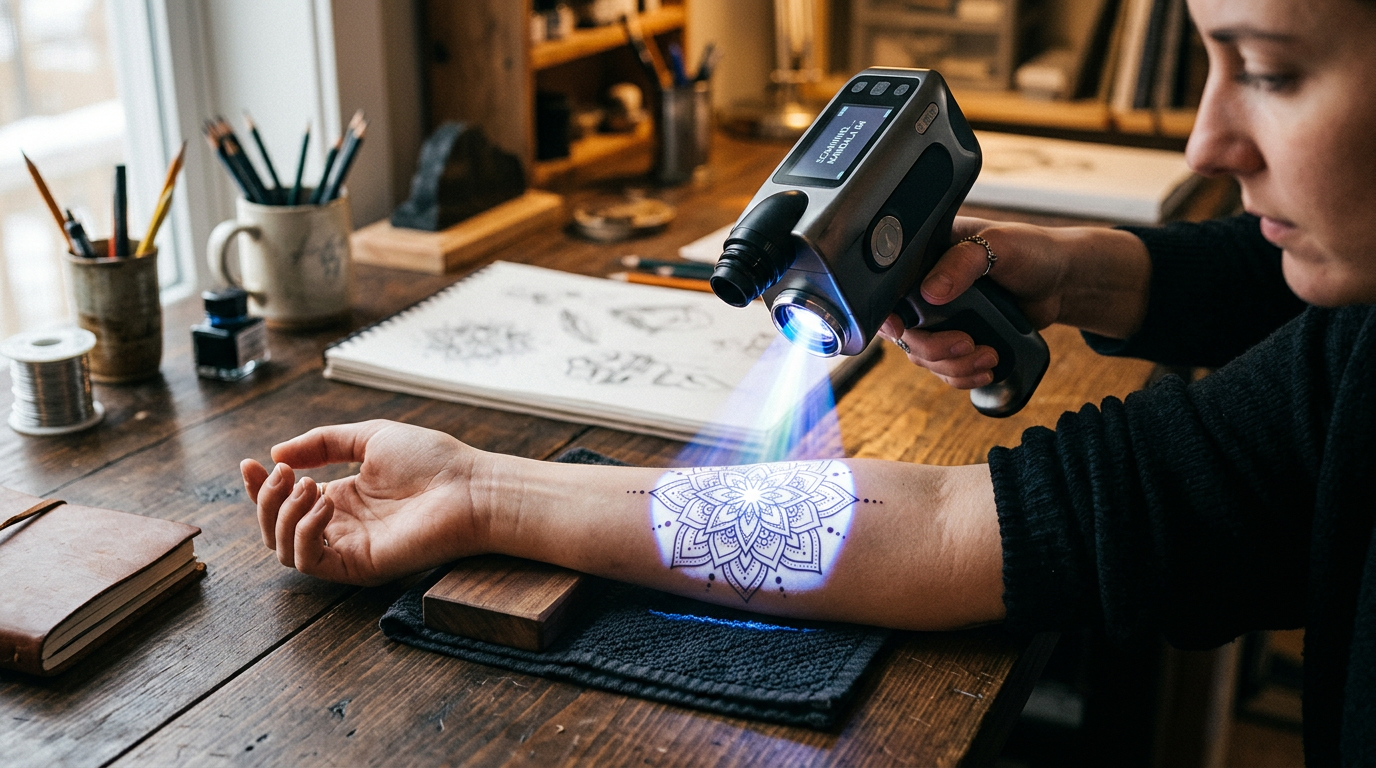
The cover image in this article was AI-generated.