The Rise of Generative Art in 2026
By Darren Smith, Arts Reporter
May 11, 2026
In the evolving landscape of contemporary art, generative and experimental art stands at the forefront of innovation, merging algorithmic precision with boundless human imagination. As we navigate 2026, this dynamic field—powered by blockchain, AI, and on-chain systems—continues to redefine ownership, creation, and exhibition in the digital age.
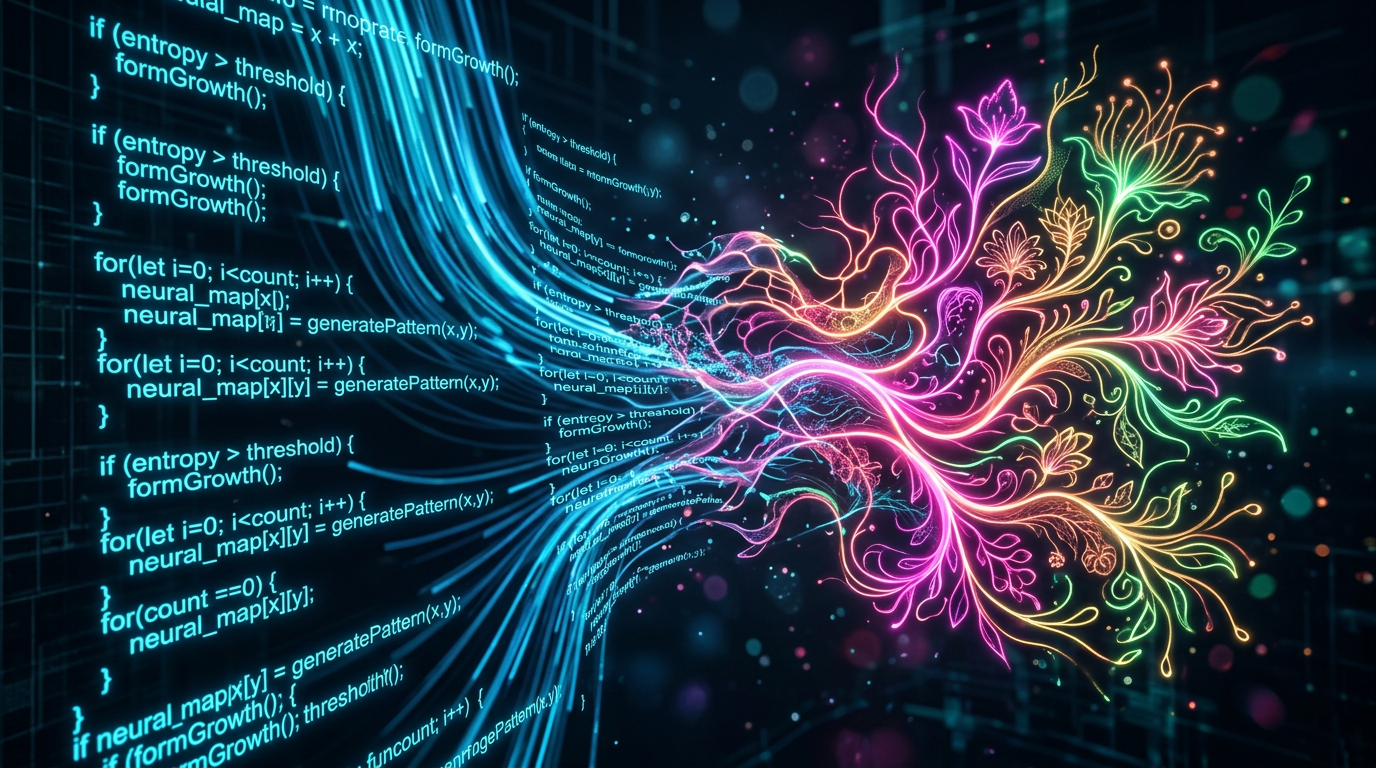
Generative art, at its core, involves algorithms that autonomously produce unique artworks. Artists write code that, when executed—often at the moment of minting—yields one-of-a-kind pieces. Platforms like Art Blocks have pioneered this space, enabling collectors to activate algorithmic systems on the blockchain. Iconic projects such as Tyler Hobbs’ Fidenza and Snowfro’s Chromie Squiggles exemplify how randomness and parameters create intricate, collectible visuals that live eternally on-chain.

Museums and galleries continue to embrace the medium. The Toledo Museum of Art’s acclaimed 2025 exhibition “Infinite Images: The Art of Algorithms”, curated by Julia Kaganskiy, highlighted generative works and helped bridge Web3 communities with broader institutional audiences. It featured artists including Tyler Hobbs, Dmitri Cherniak, and Snowfro, underscoring the growing mainstream recognition of code-based creativity.
Experimental art pushes further, incorporating interactivity, data inputs, and hybrid physical-digital forms. Artists like Refik Anadol pioneer immersive installations using AI and vast datasets, creating environments that respond to viewers in real time. His groundbreaking museum Dataland opens in Los Angeles on June 20, 2026, with the inaugural exhibition Machine Dreams: Rainforest, promising multisensory generative experiences.

The market reflects this maturity. Utility-focused NFTs and programmable artworks gain traction over pure speculation, with on-chain generative pieces offering provenance, royalties, and evolving traits. Hybrid models thrive as traditional artists mint limited editions alongside gallery prints, forging sustainable careers.
Challenges persist—defining “generative” amid widespread AI tools, ensuring ethical provenance, and balancing accessibility with exclusivity. Yet opportunities abound: smart contracts empower direct artist-collector relationships, while major events like Art Basel continue integrating digital sections.
As generative and experimental art matures, it invites deeper engagement. Collectors become co-creators through minting; viewers participate in evolving works. This isn’t just art for the blockchain—it’s art for a programmable future.
Explore leading platforms and collections at Art Blocks, dive into trends on Right Click Save, discover emerging projects on nft now, check live generative mints on nftcalendar.io, and follow Refik Anadol’s visionary work at dataland.art.
What generative artwork will you activate next? Share your favorite projects in the comments or mint your first piece today—the code awaits your discovery.


