The Rise of Digital Art: A New Era for Investors
By Darren Smith, Arts Reporter
July 7, 2026
In the hushed galleries of traditional art institutions and the bustling on-chain marketplaces of Web3, a quiet revolution is underway. Digital art, once dismissed as a fleeting trend of pixelated JPEGs and speculative NFTs, is steadily carving out its place as a serious contender in the global asset landscape. Industry analysts and forward-thinking collectors increasingly point to its potential to eclipse the $1 trillion valuation mark, driven by technological innovation, democratized access, and unprecedented liquidity.
The numbers tell a compelling story. While the broader global art market hovers around $60 billion annually, digital and NFT-linked segments are exhibiting explosive growth trajectories. Projections from market research firms indicate the NFT sector alone could expand from approximately $18-65 billion in 2026 to well over $100 billion by 2034, with some optimistic forecasts suggesting the wider digital assets ecosystem—including art—could approach $1 trillion by 2040 under sustained adoption. This isn’t mere hype; it’s rooted in structural advantages that traditional art struggles to match.
At its core, digital art benefits from blockchain’s immutable provenance. Every transaction, ownership transfer, and royalty payment is transparently recorded, eliminating centuries-old issues of forgery and disputed authenticity that plague physical works. Artists retain greater control and ongoing revenue streams through smart contracts, a stark contrast to the opaque 50% gallery commissions common in the offline world. This programmable ownership model is attracting a new generation of collectors—tech-savvy millennials and Gen Z investors—who view art not just as aesthetic pleasure but as a dynamic, utility-bearing asset.
Consider landmark moments that accelerated this shift. Beeple’s record-shattering $69 million sale at Christie’s in 2021 opened institutional doors, proving digital works could command blue-chip prices. Today, platforms are maturing beyond flip culture. Curated marketplaces emphasize quality and storytelling, while integrations with augmented reality and metaverses allow owners to display pieces in virtual homes or immersive exhibitions accessible worldwide. Explore the evolving landscape on nftnow, a leading voice in digital culture covering these developments in depth.
Technological convergence is supercharging the sector. Artificial intelligence tools enable generative art at unprecedented scale, creating unique, evolving pieces that respond to data inputs or owner interactions. Artists like those experimenting with on-chain algorithms are producing works that live and breathe on the blockchain, offering experiences impossible in oil on canvas. Meanwhile, real-world asset (RWA) tokenization bridges physical and digital realms—fractional ownership of blue-chip physical art paired with digital twins is drawing capital from traditional finance.
Challenges remain, of course. Environmental concerns around energy-intensive blockchains have pushed the industry toward greener solutions like proof-of-stake networks. Market volatility persists, as seen in post-2021 corrections, and regulatory clarity on securities, taxation, and intellectual property is still evolving. Yet these hurdles are being addressed head-on. Major auction houses continue dedicated digital initiatives, and reports from Art Basel highlight growing interest among high-net-worth collectors, with digital art already ranking as a notable spending category.
Liquidity stands out as digital art’s killer advantage. Traditional masterpieces can take months or years to sell privately, often with high transaction friction. In contrast, NFT marketplaces enable near-instant global trading 24/7. This fluidity appeals to modern portfolios seeking diversification amid economic uncertainty. Deloitte’s forecasts of nearly $1 trillion in art-related wealth transfer over the coming decade further underscore the opportunity, as younger inheritors prioritize assets aligned with their digital-native lifestyles.
Institutional adoption is accelerating the narrative. Museums are experimenting with on-chain exhibitions, while brands and corporations launch Web3 artist residencies. In Asia and Europe, government-backed initiatives explore digital art for cultural preservation and tourism. The convergence with gaming, music, and virtual real estate creates synergistic value— a single NFT collection might span visual art, soundscapes, and metaverse land rights.
Skeptics argue digital art lacks the tactile prestige of physical works. Yet history shows art markets evolve with technology: from cave paintings to photography to video. Blockchain doesn’t replace the physical; it expands the canvas. Hybrid models thrive, where digital provenance enhances physical pieces, and vice versa. Early pioneers who weathered the bear market are now seeing renewed interest, their collections appreciating as infrastructure solidifies. Read more insights at Right Click Save, which chronicles the intersection of art and technology.
Economists note that scarcity in the digital age is engineered differently—through code rather than rarity of materials. Programmable scarcity, combined with global accessibility, lowers barriers for creators in emerging markets. A talented artist in Lagos or Jakarta can now reach collectors in New York or Dubai without gatekeepers, fostering a more inclusive creative economy.
As we stand on the cusp of this transformation, the question isn’t whether digital art will grow, but how transformative that growth will be. With compound annual growth rates for NFT art segments projected as high as 23-34% in coming years, the path to trillion-dollar status appears increasingly plausible. Factors like widespread metaverse adoption, AI creativity tools, and tokenized fractional investment will act as catalysts.
The art world has always rewarded visionaries. Those who recognize digital art’s potential today—whether as creators minting their first pieces, collectors building diversified portfolios, or institutions embracing new display formats—position themselves at the forefront of what could be the most significant asset class redefinition of our era.
Ready to engage with this evolving market? Visit leading platforms to discover emerging artists, explore collections, and consider how digital art fits into your own creative or investment journey. The future of collecting is on-chain—don’t miss your place in it. Dive into NFT opportunities here and start building your digital legacy today.
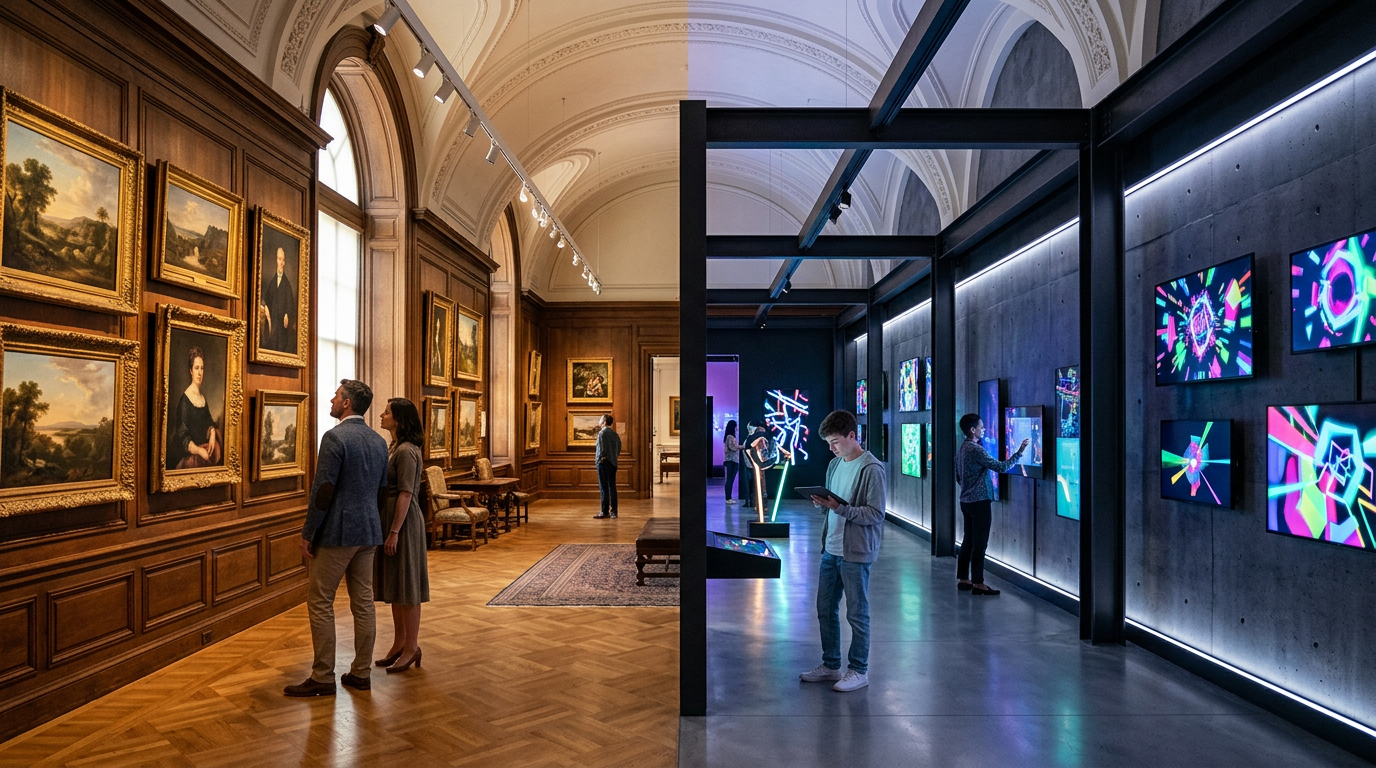
The cover image in this article was AI-generated.