The Rise of Bottomless Tattoo Events: Friend or Foe?
By Darren Smith, Arts Reporter
July 22, 2026
In the bustling world of body art, a controversial new trend is sparking heated debate among professionals: bottomless tattoo events. These sessions, where clients pay a flat fee for unlimited small tattoos within a set time, promise fun and spontaneity but are drawing sharp criticism from established artists who argue they undermine the skill, safety, and artistry of the craft.
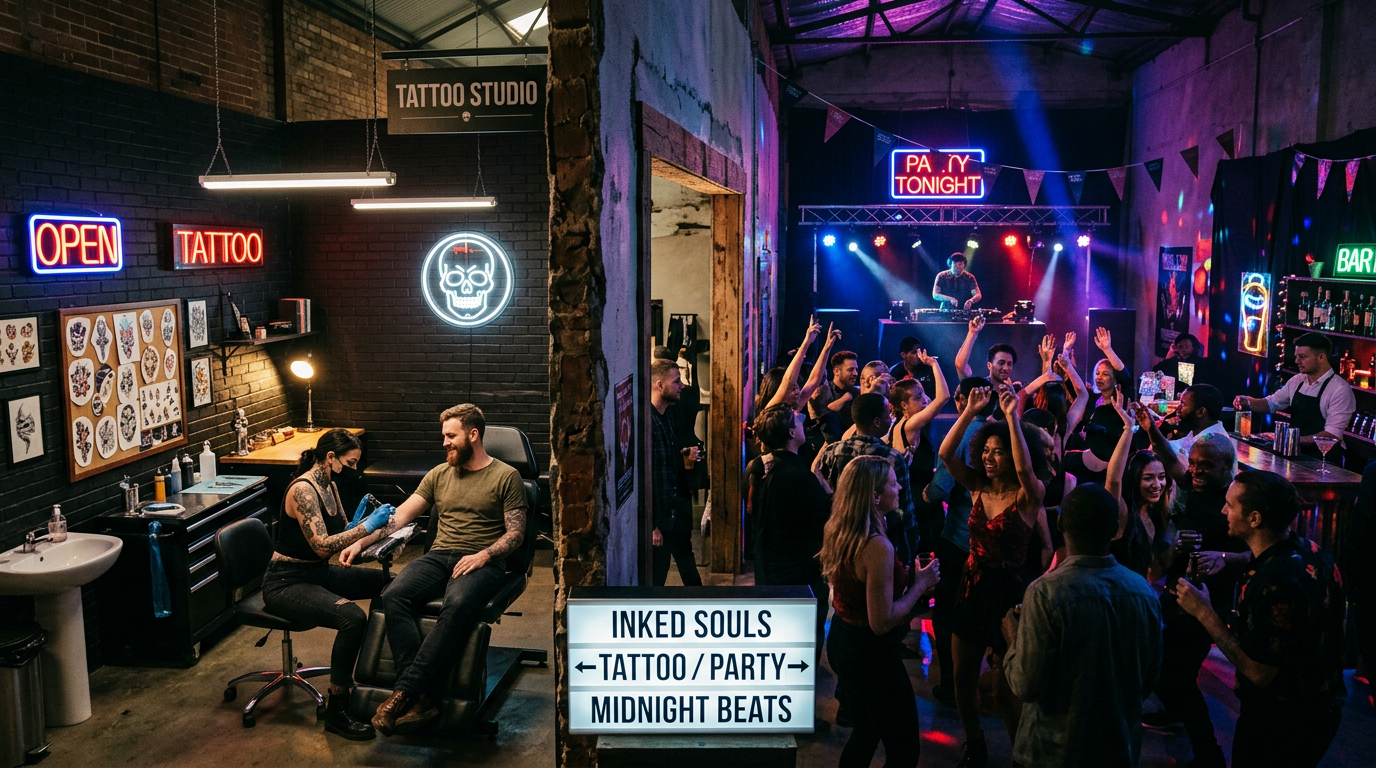
Tattooing has long been revered as a deeply personal and meticulous practice. Artists spend years honing techniques, understanding skin types, ink behaviors, and client consultations to create lasting works of art. Yet, in recent months, pop-up studios and social media-driven promotions have popularized bottomless tattoo gatherings, often blending the experience with brunches or parties. For prices starting as low as £150 for three hours, participants can accumulate multiple micro-tattoos—tiny designs like hearts, symbols, or fine-line sketches—without traditional limits.
Chantale Coady-McCombs, owner of Picture House Tattoo Studio in Chippenham, Wiltshire, has witnessed the fallout firsthand. As a removal and cover-up specialist, she reports a surge in clients seeking fixes for regrettable ink obtained during these events. “The rise of micro tattoo bottomless brunch studios has led to more clients needing help to fix or cover unwanted artwork,” she explained. Many participants feel pressured in group settings, leaving with designs that resemble “a bad biro drawing” rather than professional work.
This criticism echoes broader concerns about the industry’s direction. Tanya Buxton, owner of Paradise Tattoo Studio in Cheltenham, Gloucestershire, pulls no punches: “It’s encouraging irresponsibility. Tattooing is not meant to be gimmicky.” She points to permanent make-up practitioners expanding into fine-line tattooing as a driver, flooding the market with low-cost options that set unrealistic expectations for pricing and quality across the board.
Social media platforms like Instagram and TikTok amplify these events, showcasing quick, shareable moments that prioritize volume over craftsmanship. While they lower barriers for first-timers eager to dip their toes into body modification, veterans worry about long-term consequences. Poorly executed micro-tattoos can blur, fade unevenly, or cause skin irritation, especially when artists rush to accommodate multiple pieces in limited time.
Caption: A professional tattoo artist consults with a client in a studio setting, highlighting the importance of careful planning and expertise in traditional tattooing. Alt text: Tattooed male artist in black gloves discussing design papers with a female client in a bright, modern tattoo studio.
Wayne Joyce, director of The Reset Room tattoo removal service in Bristol, has seen the ripple effects over his 18 years in the field. He notes an uptick in inquiries for laser removal of these tiny tattoos, fueled by a misconception that smaller, lighter ink is always easy to erase. In reality, while micro-tattoos may require fewer sessions than larger pieces, the process still involves painful laser treatments that shatter ink particles for the body to clear. Joyce frequently fields questions pairing “How much for the tattoo?” with “How much to remove it?” in the same breath.
Defenders of bottomless events argue they democratize tattooing, making it accessible and social. Some studios frame them as entry points, encouraging clients to later invest in larger, custom work. Yet, industry voices counter that true accessibility comes through education, proper aftercare, and respect for the medium—not rushed gimmicks that treat skin like a canvas for impulse decisions.
The debate touches on wider issues in the tattoo world, from apprenticeship standards to regulation. In the UK, where tattooing operates under health and safety guidelines but lacks stringent national licensing for artistry, these events expose gaps. Artists like Coady-McCombs emphasize mental health impacts too: regret can lead to anxiety, particularly when visible “mistakes” affect self-image or professional opportunities.
Historically, tattooing evolved from ancient rituals and sailor traditions into a respected contemporary art form. Conventions and private studios celebrate mastery, with clients waiting months for coveted artists. Bottomless sessions risk eroding that prestige, turning a profound choice into a fleeting trend. As Buxton aptly put it, “These events are cheapening the industry. It’s not like an all-you-can-eat buffet.”
Established artists are calling for balance: innovation yes, but not at the expense of ethics and quality. Some suggest hybrid models—timed sessions with caps on pieces or mandatory consultations—to preserve standards while embracing fun.
As the conversation grows, clients are urged to research artists thoroughly, prioritize licensed professionals, and view tattoos as investments rather than party favors. The industry’s future may hinge on whether it leans into commercialization or reaffirms its roots in artistry and care.
What are your thoughts on bottomless tattoo events? Share your experiences in the comments below, support local tattoo artists by booking responsibly, and consider following reputable studios for informed inspiration. Your next piece of art deserves the respect it—and your skin—truly merits.
The cover image in this article was AI-generated.