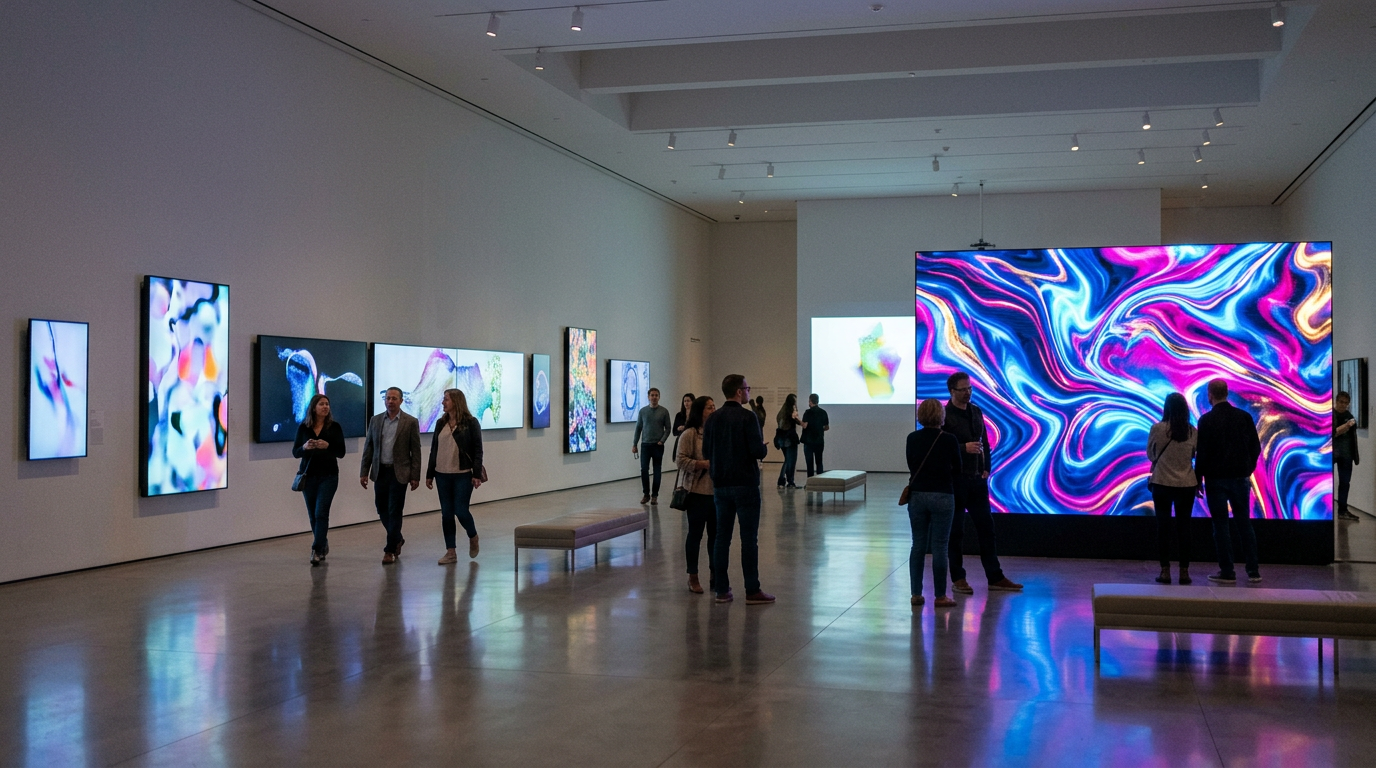
The Evolution of Web3 Art in 2026
By Darren Smith, Arts Reporter
May 17, 2026
In the rapidly evolving landscape of digital creativity, Web3 art has shed its speculative skin and emerged as a sophisticated pillar of the global art ecosystem. No longer defined by overnight million-dollar flips or viral hype cycles, the sector in mid-2026 emphasizes provenance, institutional integration, and real-world utility. As traditional fairs like Art Basel expand dedicated digital programs and blue-chip collections maintain resilience, artists, collectors, and platforms are building lasting cultural infrastructure.
The maturation is evident across major events. At recent fairs including Art Dubai, digital art has moved beyond NFTs to explore deeper questions about humanity, technology, and multisensory experiences. Curators have embedded code, interactivity, and hybrid forms into core programming, signaling that computational art is now structural rather than novel.
Art Basel has doubled down with its Zero 10 initiative, now making its flagship debut in Basel this June. Co-curated by artist Trevor Paglen and digital art strategist Eli Scheinman (formerly of Yuga Labs), Zero 10 features leading galleries and next-generation practitioners exploring generative, media, and computational art. This follows successful iterations in Miami and Hong Kong, where token-linked works integrated seamlessly alongside traditional pieces.
“Digital art has history and longevity,” notes one market observer, highlighting how pioneers like Kevin McCoy—whose Quantum (2014) was the first NFT—are regaining spotlight amid surging interest in established digital works. Early 2026 data shows digital art purchases rising notably among high-net-worth collectors, with many reporting acquisitions in recent surveys.
Marketplaces have consolidated around quality and functionality. SuperRare continues to lead in curated digital art, hosting exhibitions that blend online and physical spaces. Recent shows include “Defaced: A Series of Headaches” (opening May 18) and the cross-chain group exhibition “Equilibrium” with objkt.com, spotlighting generative talents and poetic fusions of architecture and emotion.
CryptoPunks, the iconic collection that helped define the space, remains a benchmark of stability. Recent sales hover in the 30–35 ETH range (approximately $70,000), with floor prices reflecting consistent demand. These algorithmic 24×24 pixel characters function as cultural artifacts, appealing to both crypto natives and traditional collectors seeking blue-chip digital assets.
The broader shift to utility-focused NFTs marks a defining trend. By 2026, collectors prioritize projects offering membership access, licensing rights, token-gated experiences, and real-world asset linkages rather than pure speculation. Generative art platforms like Art Blocks see sustained institutional demand, while luxury brands experiment with digital twins and programmable tokens for provenance and sustainability.
Challenges persist. Early platforms have wound down operations amid consolidation: Nifty Gateway closed in February 2026, and Foundation shut down in April following a failed acquisition, reflecting a market that has weeded out weaker projects while leaving a more robust ecosystem.
Tezos continues carving a niche for eco-conscious and on-chain experimentation, bolstered by new institutional partnerships such as with HEK Basel for 2026 digital art preservation initiatives. Bitcoin Ordinals maintain interest for fully on-chain art, while AI-convergent works raise compelling questions around authorship and ownership—issues increasingly addressed through smart contracts and clear provenance trails.
Looking ahead, the integration of Web3 tools into traditional institutions appears irreversible. Museums are quietly adding generative and blockchain-native pieces to permanent collections, and fairs treat digital sections as core programming rather than side events. This hybrid approach—physical exhibitions paired with immutable digital ownership—offers new revenue streams for creators and deeper engagement for audiences.
The Web3 art market of 2026 is smaller in raw transaction volume but richer in substance. It rewards longevity, community building, and genuine innovation. As one analyst put it, NFTs have evolved from collectibles into infrastructure for creativity and access.
For those seeking to engage, the opportunities have never been more thoughtful. Explore curated drops on established platforms, attend hybrid exhibitions, or dive into generative collections that evolve with their owners. The era of digital art as heritage has arrived.
Ready to dive deeper into the world of Web3 art? Visit Art Basel’s Zero 10 to discover upcoming exhibitions, check SuperRare for fresh drops and shows like Equilibrium, follow nft now for weekly insights, review recent CryptoPunks activity, or explore Tezos art initiatives. Whether you’re a collector, creator, or curious observer, now is the time to participate in this cultural renaissance. The future of art is decentralized, durable, and undeniably exciting.
Image is Ai generated


