The Digital Canvas: Wealthy Collectors Integrate Blockchain-Based Art into Fine Art Portfolios
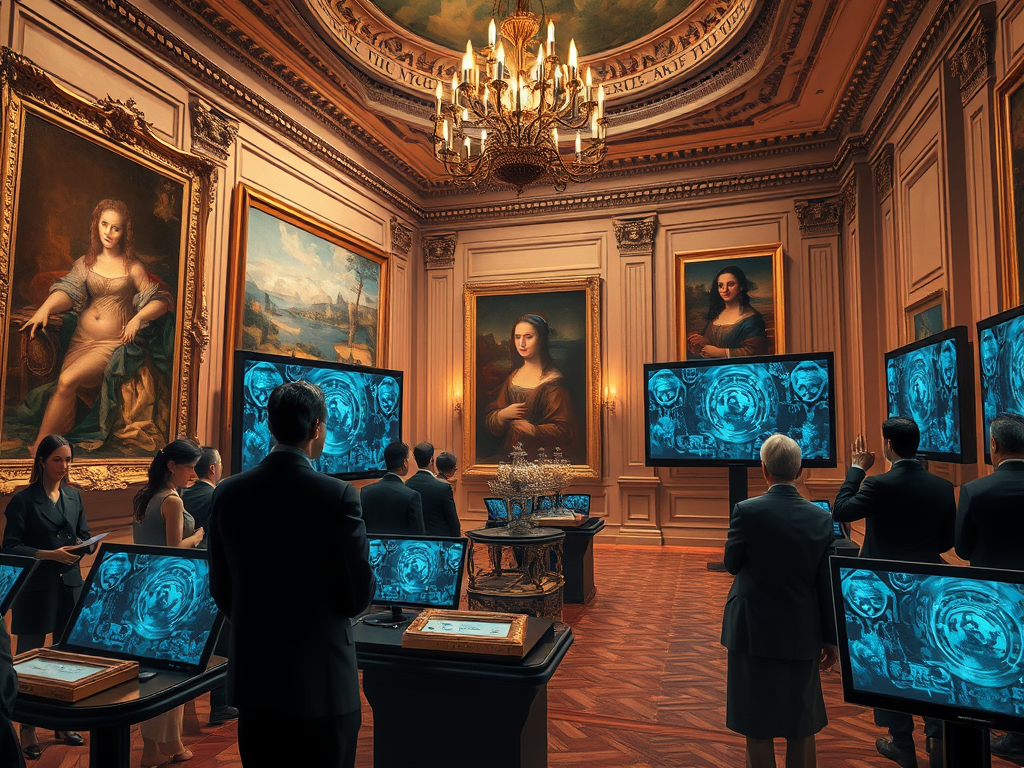
LONDON — In the traditional auction rooms of Christie’s and Sotheby’s, where canvases by Picasso and Warhol have long set records, a selective but notable shift is occurring. High-net-worth collectors are increasingly incorporating non-fungible tokens (NFTs) and other blockchain-native digital artworks into their collections, drawn by features such as immutable provenance, automated artist royalties, and the creative possibilities of code-based and generative art.
According to the Art Basel and UBS Survey of Global Collecting 2025, just over half (51%) of the 3,100 high-net-worth individuals surveyed across 10 major markets had purchased a digital artwork in 2024 or 2025. Digital art ranked third in total spending among the respondents, nearly on par with sculpture at 14%. The average share of digital art in collectors’ holdings rose from 3% in 2024 to 13% in 2025, reflecting renewed interest amid broader crypto market upswings and growing institutional exhibitions of generative and AI-influenced works.
This engagement occurs against a backdrop of contraction in the wider NFT market. Global NFT trading volumes fell sharply from their 2021–2022 peaks, with art-specific segments experiencing even steeper declines in some periods. In the first quarter of 2025, overall NFT sales dropped roughly 63% year-over-year. While select blue-chip digital works continue to attract attention, the market has moved away from widespread speculation toward greater emphasis on utility, curation, and long-term cultural value.
Major auction houses have responded by maintaining dedicated digital sales, and some museums have explored Web3 exhibitions. Yet the segment remains modest within the broader $59.6 billion global art market recorded for 2025, which grew 4% year-over-year but stayed below pre-pandemic levels in real terms.
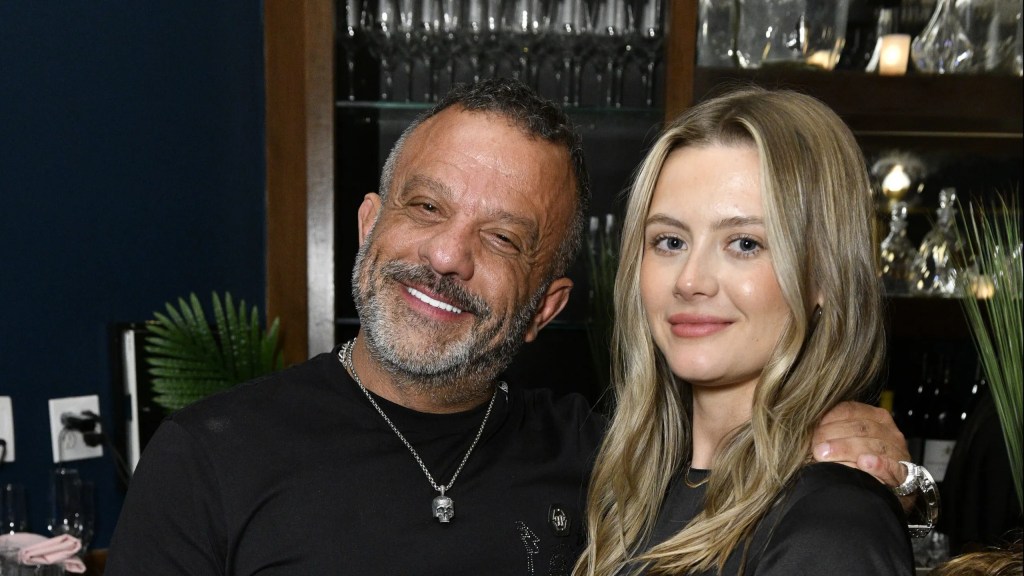
Prominent collectors illustrate the crossover. Adam Weitsman, the U.S. billionaire industrialist and scrap-metal entrepreneur, has continued acquiring NFTs even as market volumes moderated. In late 2025, he purchased 229 Meebits in one of the year’s largest known private NFT transactions, including rare examples such as a Skeleton and a Punk Tee variant. Earlier that year, Weitsman acquired more than 5,000 assets directly from Yuga Labs, including thousands of Otherdeed land plots, Mega Kodas, and Weapon Kodas tied to the Otherside metaverse project. He has described these as long-term investments and has stated publicly that he has never sold an NFT from his collection.
Jehan Chu, managing partner of Hong Kong-based Kenetic Capital and a former Sotheby’s digital infrastructure specialist, maintains a collection that spans traditional contemporary art — including works by Takashi Murakami — and digital pieces by artists such as Beeple and Refik Anadol. Chu has also advised auction houses on crypto-related initiatives and invested in blockchain projects since the mid-2010s, positioning him as one of the figures bridging established art institutions and decentralized technologies.
The credibility of the sector rests in part on artists whose practices have gained both commercial success and critical attention. Beeple (Mike Winkelmann) achieved a milestone in March 2021 when Christie’s sold his digital collage Everydays: The First 5000 Days for $69.3 million — one of the highest prices ever paid for a work by a living artist. His satirical, daily-generated imagery helped introduce NFTs to mainstream audiences, and he has since exhibited in institutional settings beyond the blockchain ecosystem.

Pak, the pseudonymous conceptual artist, holds the record for the most valuable NFT project with The Merge (2021), which raised approximately $91.8 million through a collective sale mechanism involving tens of thousands of participants. Pak’s works frequently explore themes of ownership, scarcity, and digital existence.
Other artists frequently cited by collectors and curators in the space include:
- XCOPY, recognized for glitch-infused, dystopian animations that offer sharp cultural commentary.

- FEWOCiOUS (Victor Langlois), whose vibrant, narrative-driven works often draw from personal experience.

- Tyler Hobbs and Dmitri Cherniak, leading figures in generative art whose algorithmically created pieces, often released on platforms such as Art Blocks, appeal to those interested in mathematical and procedural creativity.
- Refik Anadol, whose data-driven immersive installations blur digital media, artificial intelligence, and experiential art; his works have been acquired by both crypto collectors and traditional institutions.

Platforms including Art Blocks, Feral File, and Verse have served as curatorial venues emphasizing quality and innovation. Smart contracts that automatically direct royalties — typically 5–10% on secondary sales — to artists represent a structural difference from many conventional gallery arrangements.
Challenges remain well documented. Early environmental concerns tied to proof-of-work blockchains prompted migration to more energy-efficient networks. Liquidity varies significantly across projects, and market concentration on certain platforms has drawn scrutiny. Some collectors have reported reallocating focus toward physical works amid economic caution, while debates continue over the long-term cultural durability and preservation of purely digital pieces.
Nevertheless, participants describe the space as an expansion of rather than a replacement for traditional fine arts. Museums, galleries, and specialized funds are testing hybrid models that combine physical and digital elements, and interest in AI-assisted creation continues to evolve.
The integration of blockchain technologies into fine art collecting remains in its formative stages. Its depth will likely depend on sustained artistic merit, robust curation, improved market infrastructure, and clearer regulatory frameworks. For now, a subset of wealthy collectors views Web3 as one additional avenue for patronage at the intersection of technology and contemporary creativity.