Social Media’s Role in Modern Art Promotion
By Darren Smith, Arts Reporter
April 5, 2026
Los Angeles — In an art world still navigating post-pandemic shifts and fluctuating market confidence, many contemporary artists are turning to direct social media posts as a primary channel for sharing new work, engaging collectors, and shaping their narratives without relying solely on galleries or auction houses.
On this Easter Sunday, digital and traditional practitioners alike posted fresh pieces, studio updates, and personal reflections, underscoring how platforms like Instagram and X have become essential tools for visibility and community-building in contemporary art, digital art, and NFT spaces.
One notable example came from crypto art creator chazzgold.eth, who marked the five-year anniversary of his first NFT mint by releasing a new generative-style piece available for free on Transient Labs for 72 hours. The artist described the work as a return to his original tools and process, framing it as a gesture “for the community, with love and respect for where it all began.” The post quickly garnered engagement, reflecting ongoing interest in accessible digital art drops even as the broader NFT market has matured beyond 2021 hype.

Such direct artist posts allow creators to test ideas, gather immediate feedback, and cultivate collector relationships in real time. For many, this strategy has proven more effective than waiting for institutional validation.
“Social media has democratized the initial discovery phase,” said a New York-based curator who spoke on condition of anonymity due to gallery affiliations. “Artists who post consistently and thoughtfully often see stronger secondary market activity and direct studio sales. It’s no longer optional—it’s part of the practice.”
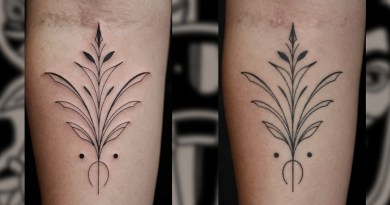
This trend intersects notably with body art communities, where tattoo artists and modification practitioners increasingly document their process and finished works on the same platforms used by painters and digital creators. A single high-quality post of a large-scale back piece or experimental piercing project can reach thousands, blurring lines between fine art documentation and living canvas expression.
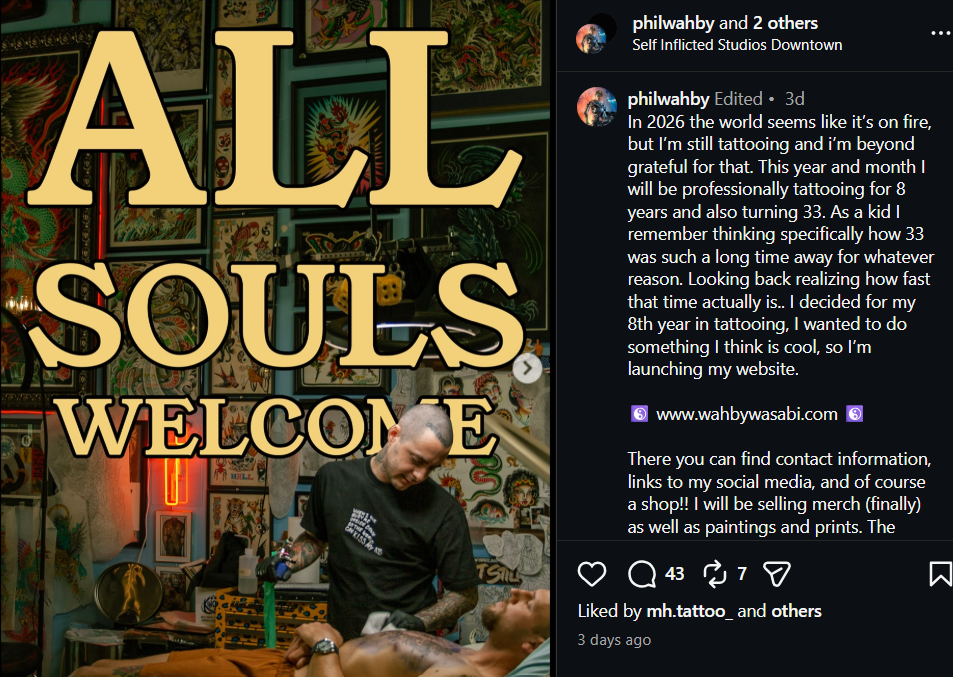
Traditional studio artists are also active. Recent Instagram activity showed painters sharing works-in-progress, installation views, and reflective captions about the role of art amid global events. One London-based abstract painter noted in a post that “the state of the world has dwarfed all meaning” in routine sharing, highlighting the emotional labor involved in maintaining an online presence while creating meaningful work.

Market observers point to measurable impact. Consistent, high-quality artist posts have helped several emerging figures in the “artists to watch in 2026” lists gain traction with collectors seeking authenticity and direct access. In the digital art and generative sectors, posts often double as mint announcements or community drops, maintaining engagement even when floor prices are lower than peak years.
Yet challenges remain. Algorithm changes, platform fatigue, and the pressure to perform online can distract from studio time. Some artists report reduced posting frequency as they prioritize deeper practice over constant content creation. Others strategically limit shares to maintain scarcity around physical works.
The cultural significance lies in the power shift: artist posts reduce dependence on gatekeepers while demanding new skills in visual storytelling, caption writing, and audience interaction. For body art practitioners whose work is inherently ephemeral or intimate, digital documentation via posts preserves and elevates the practice as legitimate contemporary expression.
As 2026 unfolds with major fairs and exhibitions on the horizon, expect continued innovation in how artists use these tools—whether through time-limited NFT gestures, behind-the-scenes process videos, or thoughtful reflections that invite dialogue.
The art world’s conversation is increasingly happening in public feeds, where a single post can spark the next collector relationship or critical conversation.
Darren Smith is an Arts Reporter at Art Chain News covering contemporary art, digital art and NFTs, body art, and the intersections between these fields.
This article is based on exhibition/auction statements, direct reporting, and institutional analysis.