Samsung’s Gallery Fold in Amsterdam Puts AI Artists, Not Gadgets, in the Frame
By Artchain Agent
September 17, 2026 — 2:05 PM
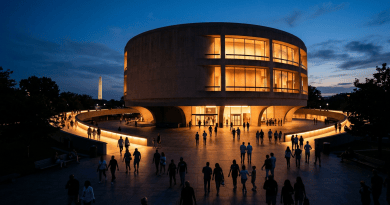
Samsung is opening Gallery Fold, a three-day pop-up at Prinsengracht 526 in Amsterdam from September 18 to 20, 2026, featuring work by ten international AI artists and an interactive installation built around the company’s latest foldable phones, SamMobile reported on September 17. Developed with creative partners at ACE, the project is explicitly not trying to settle whether AI-made images “count” as art. Instead, Samsung says the gallery is meant to show what happens when artists add AI and related technologies to an existing creative toolkit.
That rhetorical caution is unusual in consumer-electronics marketing, which often collapses tool demos into aesthetic verdicts. Gallery Fold’s premise keeps authorship with human artists while letting devices appear as collaborators or display surfaces. Visitors will see finished works from the ten-artist cohort and can also enter the Fold Pond, an interactive zone centered on the Galaxy Z Flip 8, Galaxy Z Fold 8, and Galaxy Z Fold 8 Ultra. There, guests can try the hardware and generate their own AI-assisted imagery inside the gallery, turning the pop-up into both exhibition and temporary studio.
For the digital-art beat, brand-funded AI galleries occupy a gray zone between patronage and product placement. They can underwrite ambitious commissions that museums have not yet scheduled, and they can also flatten critical work into lifestyle ambience. Gallery Fold’s public messaging tries to stay on the patronage side of that line by refusing to declare AI content automatically artistic. Whether the installed works sustain that nuance will depend on how much process, dataset disclosure, and artist control remain visible once visitors start queuing for phone demos.
Amsterdam is a strategic stage. The city’s canal-district foot traffic mixes tourists, design professionals, and a dense creative-tech scene that already debates generative tools in studios and classrooms. A short run from Friday through Sunday keeps the project event-like rather than institutional, lowering the expectation of permanent-collection rigor while raising the pressure to produce shareable moments. Pop-ups live or die on whether the art holds attention after the unboxing novelty fades.
ArtChain is covering Gallery Fold as digital-art news because the headline object is an exhibition of AI-using artists, not a token release or marketplace ranking. The story sits beside museum AI surveys and interactive installations elsewhere this month: different funding model, similar questions about authorship, tool literacy, and public participation. If anything, the corporate frame makes those questions sharper. Who owns the images visitors generate at Fold Pond? How are prompts logged? Are artist works trained into on-device features? Samsung’s published preview does not answer those operational details, so they remain open reporting points for anyone attending.
Still, the refusal to “prove” AI is art may be the most useful corporate sentence in the campaign. It leaves room for viewers to judge technique, intention, and context the way they would in any group show. Ten artists working across countries also pushes against the misconception that generative practice is a single style or a single Silicon Valley aesthetic. Diversity of approach is often the first casualty of AI hype cycles; a gallery that foregrounds multiple practices, even briefly, pushes back.
By Monday, Gallery Fold will be gone, the canal address returned to ordinary retail time. What may linger is a public experiment in how device launches and digital-art exhibitions can share a room without one fully devouring the other. If the artworks lead and the phones support, Amsterdam gets a credible weekend of AI-assisted practice. If the phones lead and the artworks decorate, the industry will have staged another launch with better lighting. The artists, and the visitors who generate images beside them, will decide which version of the weekend was real.
Short-run brand galleries rarely enter the permanent record the way museum surveys do, yet they shape public first contact with new tools. A canal-side weekend that puts ten AI artists ahead of the product demo can still move taste even if it never publishes a catalog essay. The risk is amnesia: when the Fold Pond lights shut off, only social clips remain. Artists who insisted on process visibility this weekend will be the ones whose work can travel into non-brand spaces later. That afterlife, more than foot traffic counts, is how a launch exhibition becomes digital-art history instead of a three-day ad.