Remembering Harald Metzkes: The Cézannist of Prenzlauer Berg
By Darren Smith, Arts Reporter
May 21, 2026
Harald Metzkes, one of the most distinctive voices in postwar German art, passed away on May 14, 2026, at the age of 97 in Wegendorf, Brandenburg, surrounded by family. His son, sculptor Robert Metzkes, confirmed the news. Celebrated as the “Cézannist of Prenzlauer Berg,” Metzkes forged a powerful figurative style that blended classical influences with sharp social observation, creating what he poetically termed his “World Theater”—a stage where human drama unfolded amid the ruins and reconstructions of 20th-century Europe.
Born on January 23, 1929, in Bautzen, Saxony, Metzkes came of age during the turbulence of Nazi Germany and World War II. He briefly served in the military as a teenager before pursuing art studies at the Dresden Academy of Fine Arts under Wilhelm Lachnit from 1949 to 1953. Later, as a master student at the German Academy of Fine Arts in Berlin, he absorbed lessons from Otto Nagel while drawing inspiration from masters like Max Beckmann, Pablo Picasso, and Paul Cézanne. His work navigated the ideological constraints of East Germany with quiet defiance, favoring symbolic realism over socialist mandates.
A breakthrough came in 1956 with “Abtransport der sechsarmigen Göttin” (Removal of the Six-Armed Goddess), a monumental oil on canvas that sparked public debate for its transformative symbolism. The painting, now held in the Nationalgalerie collection, captured a chaotic beach scene blending beauty, violence, fragility, and loss—hallmarks of Metzkes’s approach. It remains on view in Berlin’s “Extreme Tension” presentation, testifying to his enduring relevance.
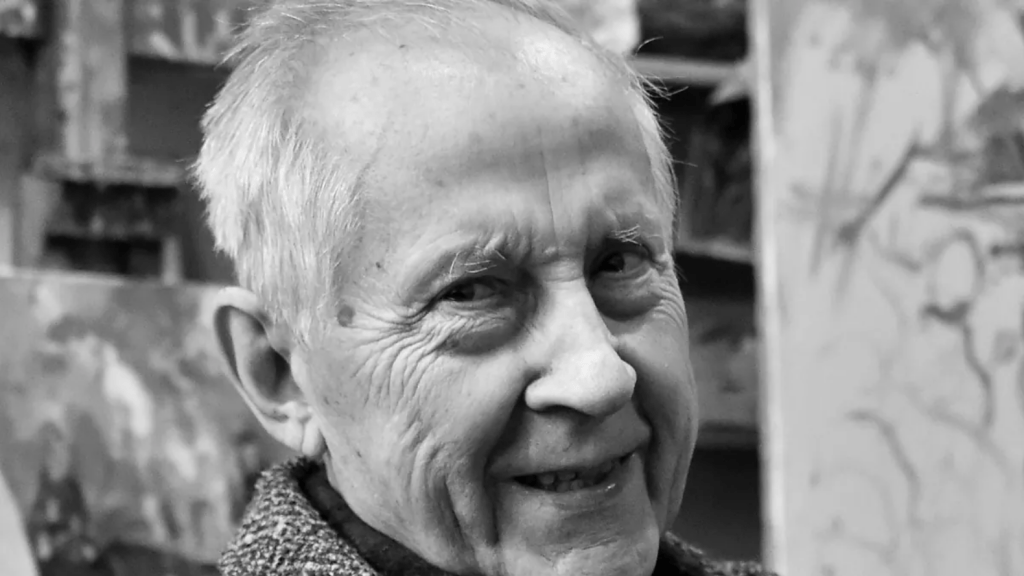
Metzkes built a career that bridged East and West. His first major solo exhibition opened in Berlin in 1963, followed by a significant 1977 show at the Nationalgalerie. He represented East Germany at the Venice Biennale in 1984 and 1988, and after reunification participated in landmark surveys like “Arts in the German Democratic Republic” (1997–98). Awards included East Germany’s National Prize for illustration and graphic art in 1976. His paintings—often populated by harlequins, everyday figures, and allegorical scenes—offered a humanist counterpoint to prevailing doctrines, rich in poetic imagery and references to classical modernism.
Auction houses have long recognized his market presence, with works fetching strong prices for paintings and works on paper. Collectors prize pieces like his still lifes and expressive portraits for their technical mastery and emotional depth.
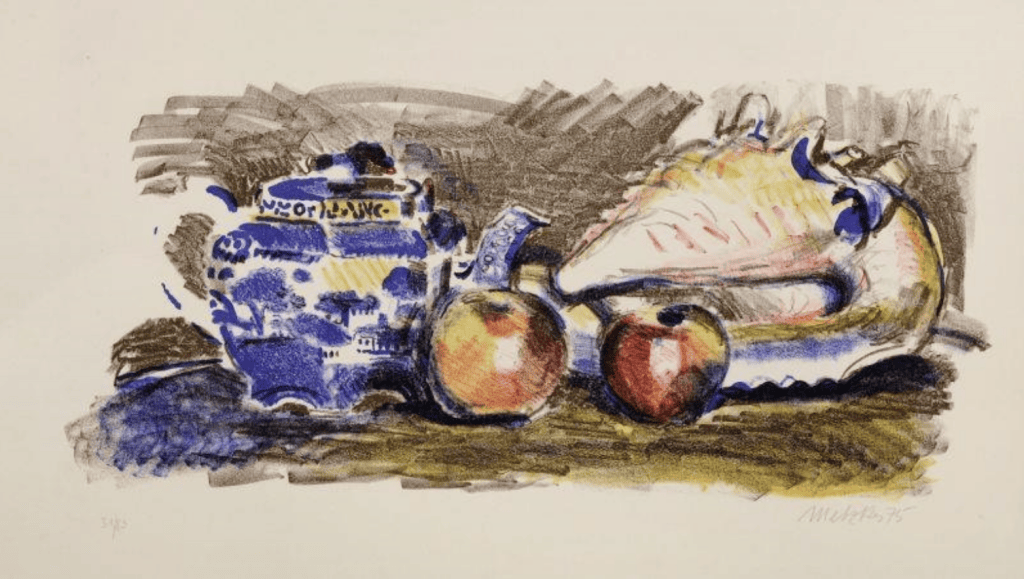
Even in later decades, Metzkes continued painting in his Berlin studio, producing introspective works that reflected on memory, society, and the theater of life. Exhibitions at venues like the Leonhardi-Museum in Dresden highlighted the breadth of his six-decade output, from early 1950s experiments to mature reflections.
Metzkes leaves behind a legacy that challenges easy categorizations of East German art. His “World Theater” invited viewers to confront shared humanity beyond political borders, proving that painting could remain vital even under pressure. As institutions and collectors reassess postwar voices, his contributions stand taller than ever.
To honor his life and work, explore his paintings in public collections or attend upcoming retrospectives. Visit the Nationalgalerie Berlin to see key pieces like “Abtransport der sechsarmigen Göttin,” or delve deeper into his biography on Wikipedia. Art lovers should also check the ARTnews obituary for additional insights and the Leonhardi-Museum archives for exhibition history. Discover available works via MutualArt or support emerging figurative painters continuing his tradition. Share this story and keep the conversation about German art alive. (Word count: 552)
Cover image is Ai generated