New Law Empowers Colorado Artists with A-Corps
By Darren Smith, Arts Reporter
June 3, 2026
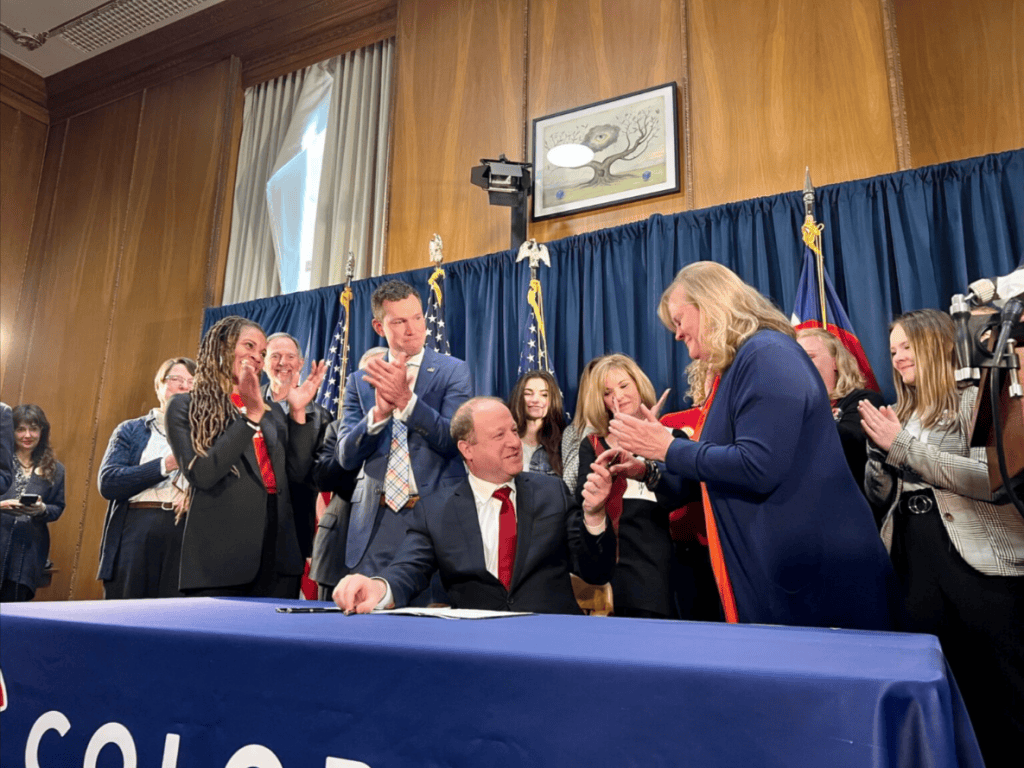
In a landmark move that could reshape how creatives across the United States structure their careers, Colorado Governor Jared Polis signed Senate Bill 26-133 into law on June 2, establishing the nation’s first dedicated legal framework for artist-owned businesses. Known as the Colorado Artist Company Act, the legislation introduces “Artist Companies” or A-Corps—a specialized form of limited liability company designed specifically for painters, musicians, writers, filmmakers, and other creative professionals.
This bipartisan achievement marks a significant step toward recognizing artists not merely as solitary visionaries but as skilled entrepreneurs deserving tailored economic tools. By formalizing a business structure that prioritizes creative control while enabling monetization and investment, Colorado is positioning itself as a national leader in supporting the arts economy.
The bill, which passed the Colorado House and Senate with strong support in May, addresses longstanding challenges faced by independent artists. Traditional business structures often force creators into uncomfortable trade-offs: surrendering intellectual property rights for funding, navigating complex contracts that dilute their vision, or struggling to access capital and benefits available to conventional entrepreneurs. A-Corps aim to change that equation.
Under the new law, artists forming an A-Corp must maintain at least 51% control of voting shares, ensuring creative decisions remain in the hands of those who create the work. This majority stake is protected by statute. The law also allows for a clear separation of economic rights from governance rights, meaning investors can receive distributions and royalties without gaining decision-making power over artistic direction.
One of the most groundbreaking provisions involves intellectual property protections. Artists can contribute their work—paintings, songs, manuscripts, or digital creations—as in-kind capital. Upon dissolution or certain triggering events, these artistic works and associated rights automatically revert to the original artist-member.
The legislation requires each Artist Company to articulate a clear artistic mission in its governing documents. This flexibility extends to public benefit variants, allowing companies to pursue broader societal impacts while enjoying LLC tax advantages and liability protections.
Advocates, including co-sponsors like Senator Jeff Bridges, emphasize that the law formally recognizes artists as a distinct labor group. “This just really makes sense—this is a red tape-cutting bill,” Polis remarked during the signing, highlighting its potential to boost Colorado’s vibrant creative sector.
For artists like Sarah Darlene, whose workshops blend meditation and art-making, the new structure offers immediate practical benefits. She plans to register her curriculum as an A-Corp, enabling easier collaboration, funding pursuits, and IP management without compromising artistic integrity.

Economically, the implications are profound. Artists will be better equipped to value their labor and IP on balance sheets for loans, partnerships, or equity distribution. The structure draws inspiration from creative economy innovations while adapting LLC simplicity with artist-centric defaults.
Legal experts note that while the broad definition of “artistic work” provides wide inclusion, it may require future refinement through implementation and case law. Nevertheless, the bill’s passage reflects growing recognition that creative industries thrive when creators retain agency. Colorado’s move could inspire similar legislation elsewhere, with remote registration options allowing broader access.
As the law takes effect later this summer, toolkits, calculators, and registration resources are already being prepared. This development arrives at a pivotal time when many artists seek sustainable models amid evolving markets and technologies.
Colorado’s pioneering step sends a clear message: the state values its artists not just as cultural contributors but as innovative entrepreneurs deserving modern tools for success. For the thousands of creators who call Colorado home—or who may now consider it—the future looks brighter, more secure, and full of possibility.
Read the full text of Senate Bill 26-133 here: https://leg.colorado.gov/bills/SB26-133
Explore Artist Corporations resources: https://www.artistcorporations.com/
Governor Polis announcement: Governor’s Office
Colorado Sun coverage: https://coloradosun.com/2026/06/02/senate-bill-133-colorado-artist-companies/
If you are an artist or creative entrepreneur in Colorado or beyond, now is the time to explore forming an A-Corp. Visit official state resources, consult specialized legal advisors, and join the growing conversation shaping the future of creative work. Your vision deserves the strongest possible foundation—start building it today.
The cover image in this article was AI-generated.