New Guidelines Endanger Graduate Arts Programs
By Darren Smith, Arts Reporter
June 4, 2026
In a move that could reshape the future of creative education in America, the U.S. Department of Education is advancing guidelines that threaten federal loan access for nearly half of all graduate arts programs. Under a proposed earnings test, programs in visual arts, music, performance, and related fields risk losing eligibility for federal student aid if their graduates’ incomes fall below benchmarks tied to median earnings of bachelor’s degree holders.
The changes stem from broader reforms in the One Big Beautiful Bill Act, signed into law last year. Effective July 1, 2026, these include the elimination of the Grad PLUS loan program, which previously allowed graduate students to borrow up to the full cost of attendance. New caps limit most graduate students to $20,500 annually and $100,000 in total, with higher limits reserved for a narrow list of 11 professional fields like medicine and law.
Arts advocates warn that the combination of loan caps and the earnings test could devastate MFA and other graduate arts programs. According to analyses of government data, programs where alumni earnings do not meet the threshold twice in three years would be barred from enrolling students who rely on federal loans. For many aspiring artists, musicians, and filmmakers, this financial lifeline is essential, as creative careers often feature irregular income, freelance work, and delayed financial returns.

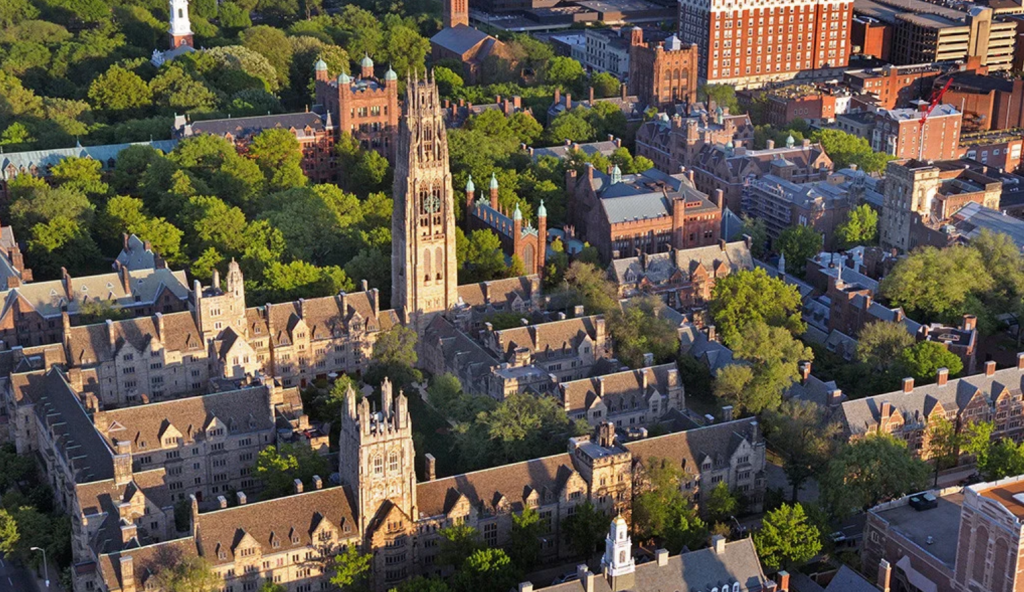
The numbers paint a stark picture. The New York Times reported that students enrolled last year in arts master’s programs at risk of failing the guidelines carried close to $311 million in federal loans. Prestigious institutions are not immune: Yale University’s master’s programs in visual arts and music would fail the test, as would Harvard’s master’s in museum studies.
This policy reflects a broader push for accountability in higher education, emphasizing return on investment. Proponents argue it protects students from programs that saddle them with debt without adequate financial outcomes. Yet critics, including arts educators and professional organizations, contend it undervalues the societal and cultural contributions of artists while ignoring the unique economics of creative fields.
“Many of our most influential artists and cultural leaders took years to build sustainable careers,” said one dean at a major East Coast art school, speaking on condition of anonymity. “Measuring success solely by early alumni salaries overlooks the long-term value these graduates bring to museums, galleries, film industries, and communities.”
The earnings test compares graduate alumni salaries against median earnings for workers with only a bachelor’s degree. In creative sectors, where gig work, adjunct teaching, and studio practice predominate, early earnings frequently lag. Fields like fine arts, music, and performing arts show some of the lowest pass rates under similar metrics in preliminary data.
Higher education leaders fear a domino effect: declining enrollment, program cuts, and potential closures, particularly at smaller or specialized institutions. With fewer students able to afford full tuition without federal support, schools may reduce cohort sizes or shift focus to more “marketable” disciplines, narrowing the pipeline for future creators.
The Department of Education maintains the rules promote responsible stewardship of taxpayer dollars. Yet the timing coincides with other pressures on the arts, including fluctuating public funding and debates over the role of creativity in a technology-driven economy. Supporters of the guidelines point to data showing strong outcomes in professional fields, but arts advocates counter that innovation in culture often defies immediate ROI calculations.
This is not the first time federal policy has scrutinized arts education. Past gainful employment rules under different administrations faced legal challenges and revisions. Current proposals build on that framework but apply stricter metrics to graduate-level programs.
Stakeholders across the spectrum are urging action. The Association of American Universities and arts advocacy groups have called for broader definitions of success that account for non-monetary impacts, such as cultural preservation, community engagement, and long-term career trajectories. Public comments on the regulations highlighted concerns that rigid benchmarks could exacerbate inequities, limiting access for students from underrepresented backgrounds who already face barriers in the arts.
As implementation approaches, universities are exploring alternatives: private scholarships, income-share agreements, and partnerships with industry. Some programs are accelerating curriculum reforms to incorporate professional development, entrepreneurship training, and dual-degree options that might improve earnings data without compromising artistic integrity.
The broader implications extend beyond individual students. America’s creative economy contributes hundreds of billions annually through arts, entertainment, and design. Diminishing the pipeline of highly trained graduates could weaken this sector at a time when cultural soft power and innovation matter more than ever on the global stage.
For prospective students weighing graduate arts degrees, the landscape is shifting rapidly. Those planning to start after July 2026 must carefully review program-specific risks, explore alternative funding, and consider how their career goals align with evolving federal standards.
Read the full New York Times analysis here. New Federal Guidelines Threaten Almost Half of Graduate Arts Programs
Review the proposed regulations. Regulations.gov Document
Artforum coverage of the issue. Graduate Arts Programs at Risk
Details on loan changes from the One Big Beautiful Bill Act. NAICU FAQ
Student aid updates. Federal Student Aid Announcements
The coming months will test whether policymakers refine these guidelines or proceed full steam ahead. For now, the message to the arts community is clear: adapt, advocate, and prepare for a future where federal support for creative graduate education faces unprecedented scrutiny.
If you care about the future of arts education, contact your representatives today to share your perspective on these guidelines. Visit regulations.gov to submit public comments, support advocacy organizations protecting creative access, and spread awareness among students and educators. The vibrancy of American culture depends on informed voices shaping policy.
The cover image in this article was AI-generated.