Modernity and Opulence: Women of the Wiener Werkstätte Exhibition
By Darren Smith, Arts Reporter
July 16, 2026
In the heart of Manhattan, the Jewish Museum is poised to unveil a groundbreaking exhibition that reclaims a vital chapter in modernist design history. Titled Modernity and Opulence: Women of the Wiener Werkstätte, the show opens to the public on July 17 and runs through November 15, shining a spotlight on the often-overlooked contributions of Jewish women as artists, designers, patrons, and tastemakers in early 20th-century Vienna.
Born from the progressive spirit of the Vienna Secession, the Wiener Werkstätte (Vienna Workshops) operated between 1903 and 1932 as a collective dedicated to the Gesamtkunstwerk—the total work of art—where fine and applied arts merged seamlessly into everyday life. Unlike the Bauhaus‘s embrace of mass production and machine aesthetics, the Werkstätte celebrated handcraftsmanship, rejecting industrialization’s dehumanizing effects in favor of luxurious, human-scaled objects. Furniture, textiles, jewelry, ceramics, and fashion emerged not as mere commodities but as expressions of artistic integrity and cultural renewal.
Curator Kristina Parsons, Leon Levy Associate Curator at the Jewish Museum, explains the movement’s resonance today: “This was a group of artists and designers who were anxious about how industrialisation and machines were impacting society, quality of life and the value of craftsmanship. In response, the Wiener Werkstätte sought to bring art to the everyday aspects of modern life.” Her words capture a philosophy that feels strikingly contemporary amid our own era of rapid technological disruption and renewed appreciation for artisanal practices.
The exhibition, a collaboration with the MAK – Museum of Applied Arts in Vienna, features more than 200 objects created by approximately 30 Jewish women associated with the Werkstätte. It builds on a 2021 MAK show but pivots to emphasize Jewish perspectives, patronage networks, and the broader socio-cultural context of Viennese modernism. Visitors will encounter an opulent array of works that highlight technical virtuosity across mediums, from intricate ceramics to bold textiles and fashion statements that challenged traditional gender roles.

Central to the narrative are standout figures like ceramicist Vally Wieselthier, whose playful yet sophisticated Girl’s Head with Blue Outlined Eyes (1928) exemplifies the Werkstätte’s blend of whimsy and precision. Textile designer Felice Rix-Ueno‘s Tarantella silk print (1929) brings dynamic patterns that animated interiors and wardrobes alike. These pieces underscore how women infused the collective with innovation, often navigating systemic barriers to professional recognition.
Patronage forms another crucial thread. The exhibition illuminates the roles of influential Jewish women such as socialite Adele Bloch-Bauer (immortalized by Gustav Klimt), journalist Berta Zuckerkandl, artist Broncia Koller-Pinell, gallerist Friederike Maria Beer-Monti, and women’s rights advocate Magda Mautner von Markhof. Their support sustained the Werkstätte’s ambitious vision, fostering a network that intertwined art, commerce, and social progress. Fashion sections recreate the era’s elegant silhouettes, often captured in period portraits that blended modernity with opulence.
A poignant element addresses the darker historical realities. The show honors women like Grete Neuwalder, whose surviving clay works—once hidden in a Viennese chocolate shop and later sent to family in New York—bear witness to lives cut short by the Holocaust. An accompanying booklet lists names of those killed or whose fates remain unknown, serving as both memorial and call for further scholarship. “It is my hope that this exhibition will be an important platform to rediscover and reintroduce many once-known artists into our histories,” Parsons notes, “so that they are celebrated and remembered.”
This focus on Jewish women enriches our understanding of Viennese modernism, a movement shaped profoundly by the city’s diverse cultural fabric before the shadows of fascism fell. The Werkstätte’s emphasis on craft as resistance to mechanization parallels contemporary debates around authenticity in the digital age, from AI-generated design to sustainable making practices. By foregrounding these stories, the Jewish Museum not only preserves history but invites reflection on how creativity thrives at the intersection of tradition, innovation, and community.
The exhibition draws from the museum’s own holdings, including Jewish New Year greeting cards adorned with Werkstätte textiles, creating intimate connections between past and present. Thematic sections explore architecture, graphic design, metalwork, and more, revealing the collective’s holistic approach. With its cross-disciplinary scope, Modernity and Opulence stands as a landmark presentation that bridges applied arts, gender studies, and Jewish cultural history.
As New Yorkers and international visitors flock to the Upper East Side this summer, the show promises to captivate with its visual splendor and intellectual depth. It arrives at a moment when museums worldwide are reevaluating canonical narratives, amplifying marginalized voices that shaped iconic movements. The Wiener Werkstätte, once a beacon of progressive Viennese culture, regains its luster through the lens of its remarkable women.
For those passionate about design, history, or the enduring power of handcrafted beauty, this exhibition offers an unparalleled opportunity to engage with objects that continue to inspire. Plan your visit soon—the fusion of modernity and opulence awaits. Explore the full exhibition details and secure tickets at the Jewish Museum’s official page. Discover the MAK Vienna’s related collections here, and delve deeper into Wiener Werkstätte history via resources from the Vienna Secession archives. For scholarly context, review curator insights in The Art Newspaper coverage, and follow ongoing discussions on Jewish contributions to modernism at academic platforms like those hosted by the Textile Society of America.
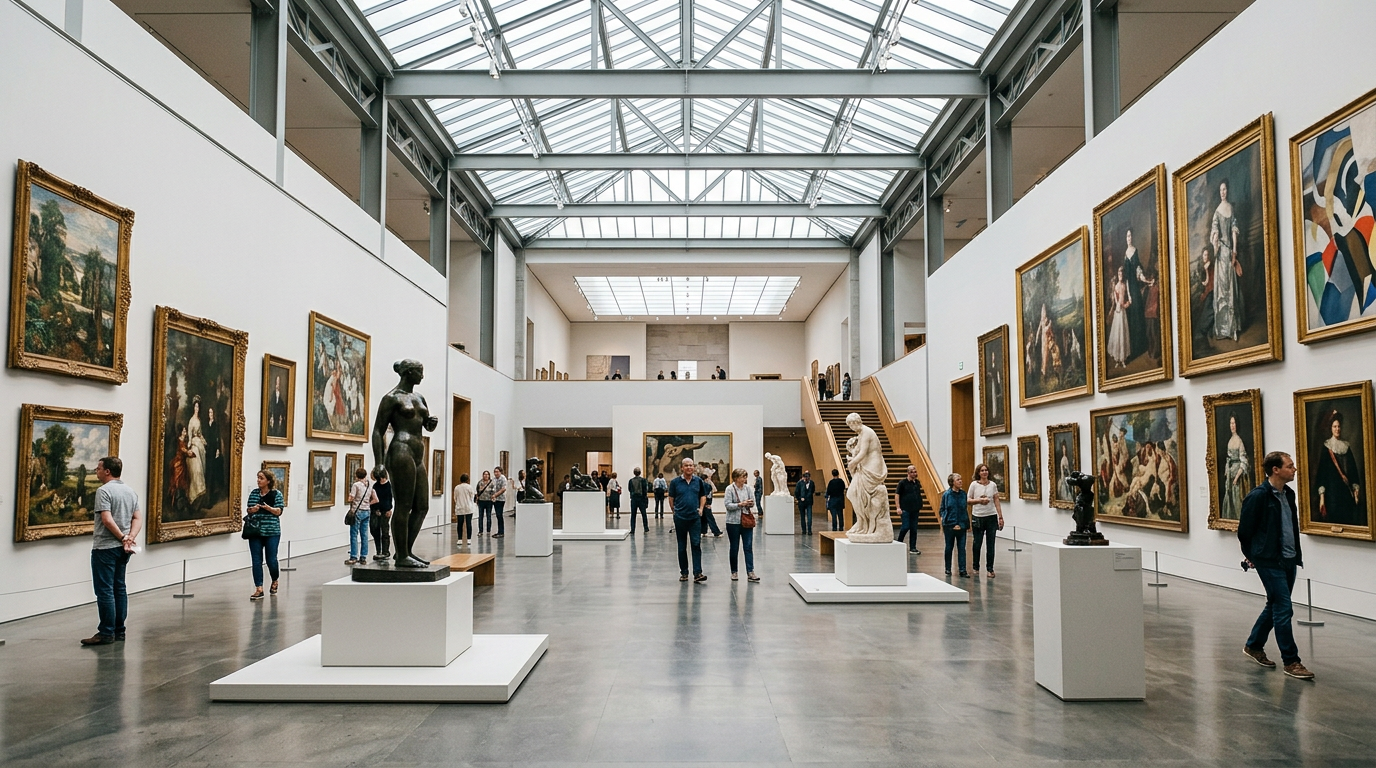
The cover image in this article was AI-generated.


