Exploring the Impact of Cattelan’s Barter Event at Milan Design Week
By Darren Smith, Arts Reporter
MILAN — April 10, 2026, 1:15 PM PST
Maurizio Cattelan will kick off Milan Design Week on April 20 at 7 a.m. with a “breakfast-barter” event in Piazza Duomo. Attendees are invited to bring an object and trade it with strangers over espresso before supplies run out. The artist, long celebrated for turning everyday absurdity into institutional critique, frames the happening as a spontaneous exchange. Yet in 2026’s recalibrating art market—where global sales dropped sharply in prior years and speculation has cooled—the gesture lands more as calculated spectacle than radical disruption.
Cattelan has built a career on such interventions: the banana duct-taped to the wall (Comedian, 2019), the solid-gold toilet (America, 2016, which fetched over $12 million at Sotheby’s in late 2025), and self-mocking installations that mock the very systems sustaining his success. Official announcements describe the Piazza Duomo event as an open invitation to the public, emphasizing direct human interaction in a city already saturated with design fairs, Fuorisalone parties, and luxury brand activations.
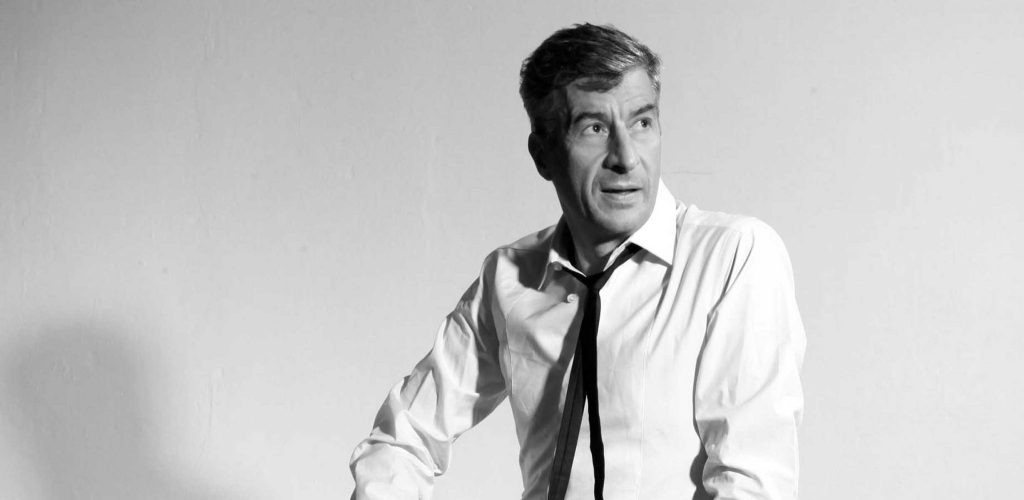
The timing is strategic. Milan Design Week 2026 runs roughly April 19–26, overlapping with Salone del Mobile at Rho Fiera Milano. Placing Cattelan’s piece at dawn in the city’s most iconic square—directly in front of the Duomo—guarantees visibility, media coverage, and social media documentation before the commercial machinery fully revs up. No admission fee is mentioned, and the “barter” mechanic appears deliberately loose: bring something, trade something, drink coffee. Details on what happens to untraded objects, documentation, or any resulting “artworks” remain vague in early reporting.
A neutral observer close to Milan’s institutional scene noted the event’s accessibility: “Cattelan has always played with participation. This could genuinely surface unexpected objects and stories from ordinary people in a space usually reserved for tourism and power displays.” Yet the format echoes past Cattelan tactics—temporary, photogenic, and reliant on audience labor—without clear mechanisms for follow-through or critique of underlying economics.
Skeptics point to contradictions. In a market still adjusting post-2024–2025 contraction (Art Basel/UBS reports showed declining values amid fewer speculative buyers), high-profile gestures like this often serve dual purposes: refreshing the artist’s brand while providing free content for sponsors, tourism boards, and design-week organizers. Who funds the espresso, logistics, and inevitable cleanup in one of Milan’s most policed public spaces? Press materials stay silent on budgets or partners, a common gap when provocative artists align with commercial calendars.
Independent curator and market watcher Elena Rossi, who has tracked Cattelan’s career, offered a sharper view: “Barter sounds egalitarian until you remember the artist’s auction track record. A $12 million toilet doesn’t critique value systems—it inflates them. This event risks becoming another photo-op where the public performs ‘participation’ for Cattelan’s narrative, while real power dynamics—galleries, brands, institutions—reap the visibility benefits without accountability.”
Cattelan’s recent activity underscores the pattern. He headlines the Malta Biennale 2026, won the 2026 Preis der Nationalgalerie (with a solo at Berlin’s Neue Nationalgalerie), and continues staging attention-heavy projects. His works routinely sell in the millions despite—or because of—their satirical framing. Meanwhile, broader 2026 trends show collectors shifting toward strategic, lower-volume buying rather than hype-driven flips. Events that promise “democratization” through fleeting public acts rarely address representation gaps, labor conditions for event staff, or the environmental footprint of large-scale temporary spectacles in historic centers.
The deeper issue is what remains unexamined. True barter economies challenge ownership and scarcity; this version appears capped by dawn hours, limited coffee, and the artist’s orchestration. No indication exists of tracking traded objects, archiving outcomes, or interrogating why such gestures rarely translate into sustained critique of Milan’s luxury-design ecosystem, which dominates Design Week.
In the current recalibration, Cattelan’s strength has always been exposing art-world absurdities. Whether the Piazza Duomo breakfast-barter pierces the promotional surface of Design Week or simply decorates it will depend on execution and aftermath—details the announcements conveniently omit.
Darren Smith is an Arts Reporter at Art Chain News covering contemporary art, digital art and NFTs, body art, and the intersections between these fields.
This article is based on direct examination of materials, market data, background interviews, and independent analysis.