Exploring the Convergence of Web3, Fine Art, and Body Art
By Darren Smith, Arts Reporter
April 30, 2026
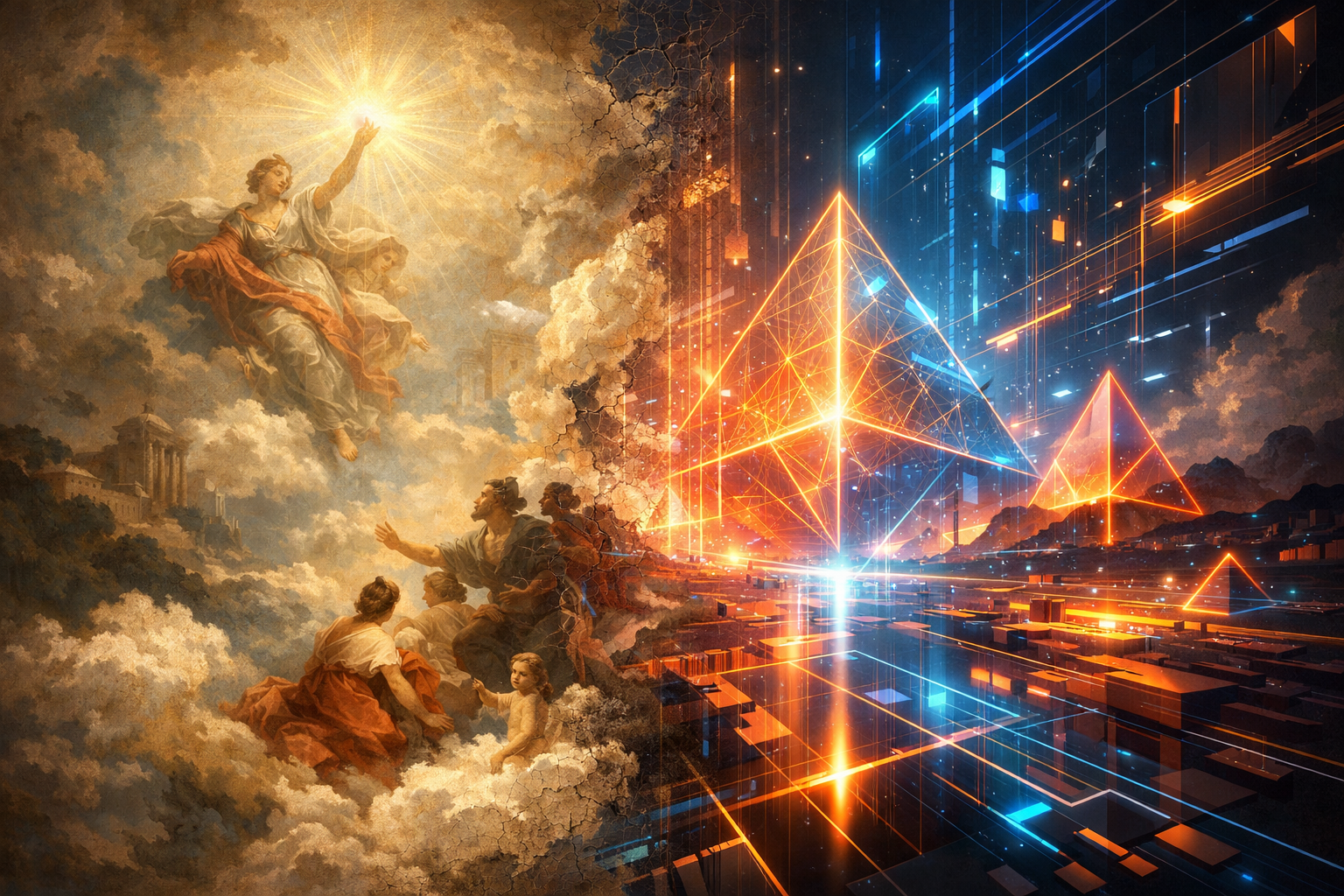
In an era where artistic boundaries dissolve faster than ink on wet canvas, the art world stands at a pivotal crossroads. Web3 art, fine art, and fine body art—once viewed as disparate realms—demand examination through a unified lens. They are not competitors but complementary expressions of human creativity, each pushing the limits of technique, concept, and cultural resonance. Traditional journalistic scrutiny reveals that dismissing any as lesser undermines the very essence of art: innovation rooted in skill, intention, and enduring impact.
This piece argues for parity. Whether a painting hangs in the Louvre, a digital token lives on the blockchain, or a tattoo adorns living skin, each merits evaluation by the same rigorous standards—mastery of medium, conceptual depth, historical dialogue, and emotional power. The evidence from museums, markets, and studios in 2026 supports this view unequivocally.
The Evolution of Fine Art: Foundations That Endure
Fine art, in its classical sense, evokes images of oil on canvas, marble sculptures, and gallery walls bathed in soft light. These works have defined Western canons for centuries, from Renaissance masters to modern giants like Georg Baselitz, whose raw, inverted figures challenged postwar German identity (View Baselitz works at MoMA). Baselitz’s recent passing at 88 underscores the lineage: his upside-down compositions forced viewers to question perception itself, a technique demanding profound technical control and philosophical inquiry.
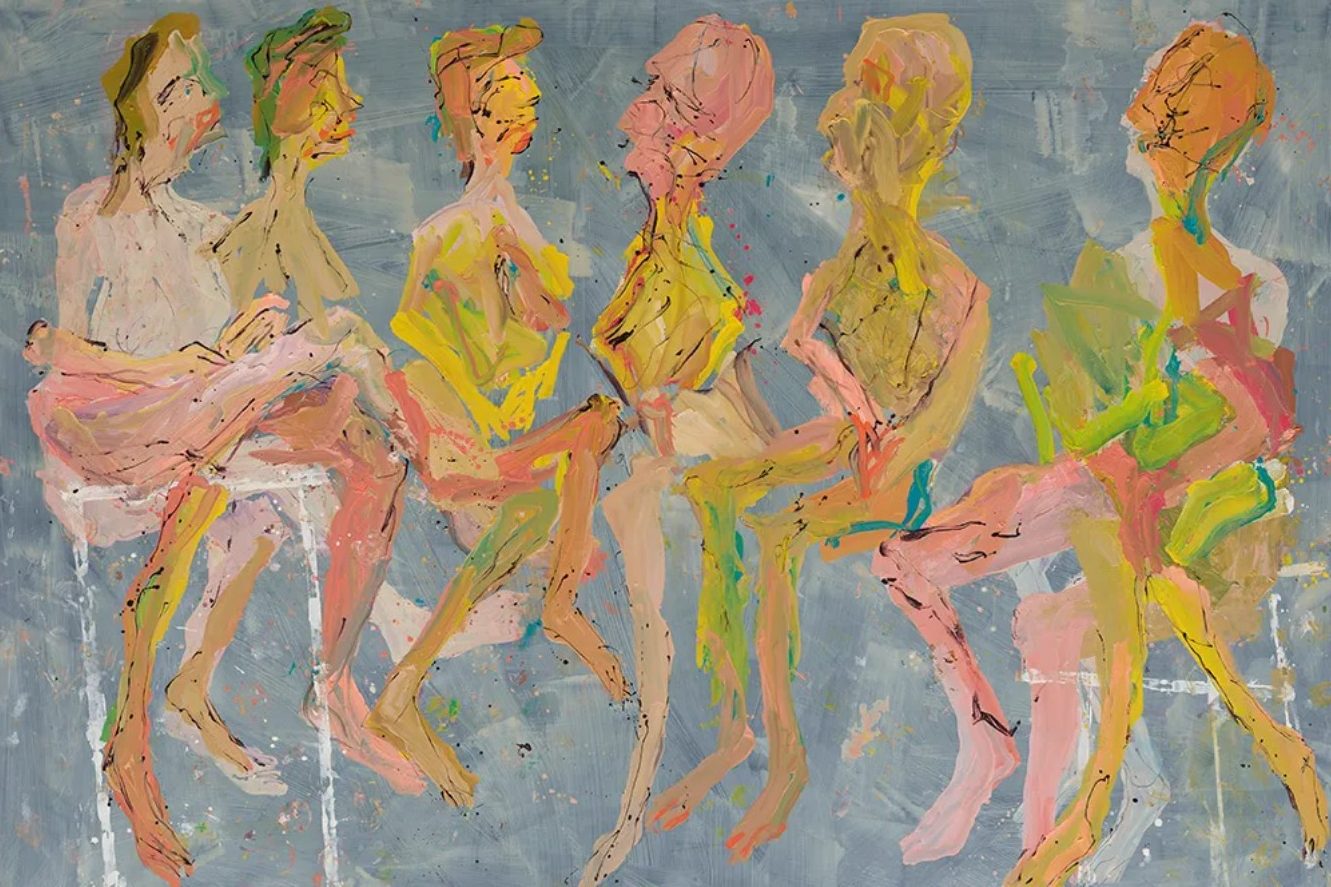
Traditional fine art excels in tactility—the visible brushstrokes, the weight of pigment, the patina of age. Galleries like the Metropolitan Museum of Art showcase European paintings where light, composition, and narrative converge in physical space.

Explore the Met’s European Paintings collection for context on enduring techniques: metmuseum.org.
Web3 Art: Blockchain as Canvas and Ledger
Web3 art, encompassing NFTs and blockchain-native creations, matured dramatically by 2026. The speculative frenzy of 2021–2022 has given way to utility, provenance, and institutional integration.
Pioneers like Beeple (Mike Winkelmann) demonstrated digital art’s power. His Everydays collage sold for $69 million in 2021 (View Beeple’s Everydays project), proving algorithmic composition and conceptual commentary could rival traditional scale. In 2026, platforms like SuperRare and Foundation emphasize curated, generative works with on-chain permanence. Artists embed code that evolves, creating living pieces that respond to owners or time.
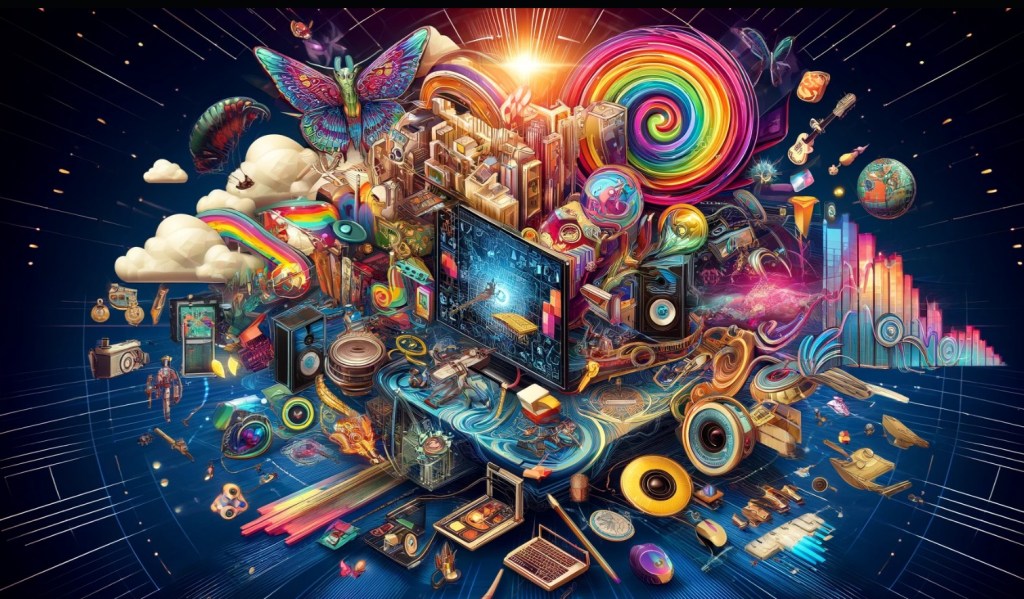
Bold truth: Web3 solves longstanding art-world ills. Smart contracts ensure automatic royalties, democratizing income for creators. Immutable ledgers provide unbreakable provenance, combating forgery. Museums now acquire NFTs; MoMA holds CryptoPunks, signaling acceptance.
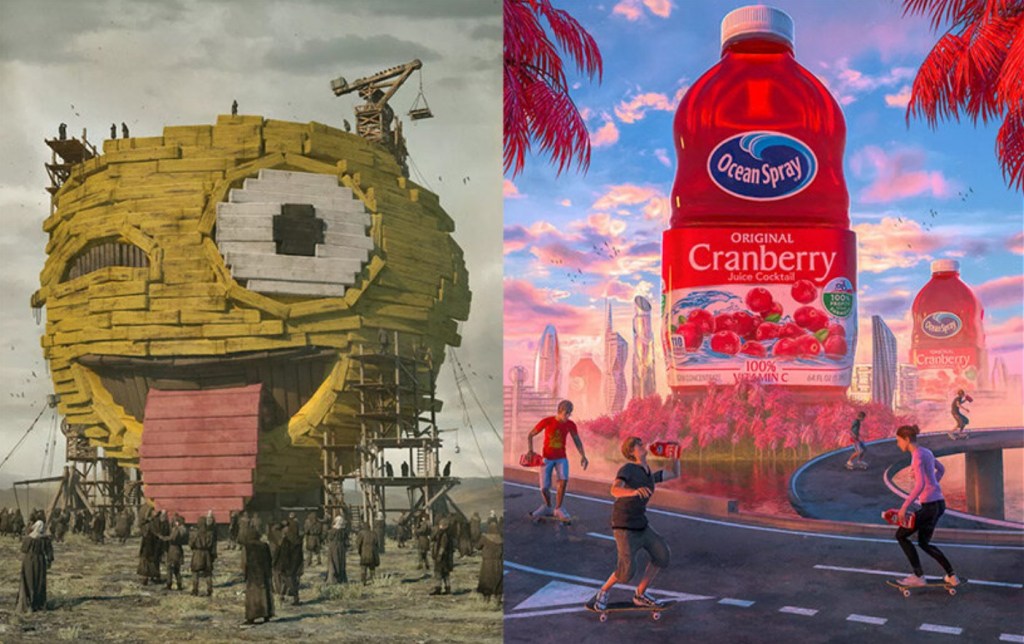
Critics decry intangibility. Yet is a painting “more real” than a verifiable digital file viewable worldwide? Both require infrastructure—frames for one, wallets and screens for the other. Web3’s transparency fosters global access, bypassing gatekeepers.
Dive into current NFT market analysis: blockchain-council.org.
Fine Body Art: The Living Canvas
Fine body art, particularly tattooing, has shed subcultural stigma to claim gallery space. Exhibitions like “MI Ink: The Art of Tattoos” at the Flint Institute of Arts transform skin into a narrative medium. Artists treat the body as canvas, blending realism, abstraction, and cultural symbolism with surgical precision.
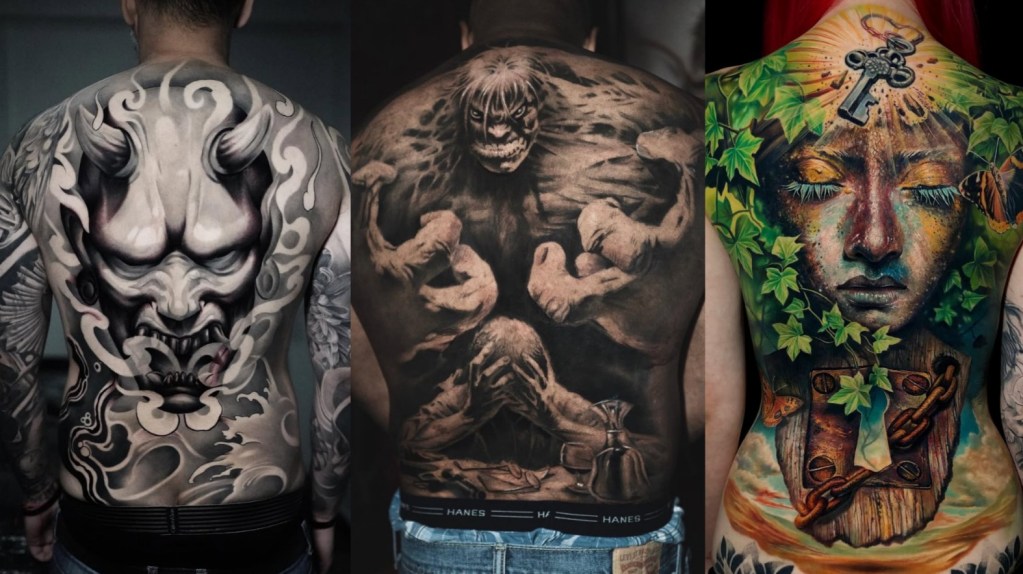
Tattoo masters blur lines explicitly: “In our personal lives, there isn’t a difference between tattooing and fine art.” Technical mastery—needle control, color theory, anatomical adaptation—mirrors painting. A hyper-realistic portrait tattoo demands the same draftsmanship as oil work, plus adaptation to living, breathing, aging skin.

Museums recognize this. In 2025–2026, fine-line realism and illustrative tattoos rival museum pieces. Berlin projects sell limited-edition tattoo artworks, commodifying the ephemeral.
Challenges persist: permanence versus conservation debates, pain as process, cultural appropriation concerns. Yet these parallel issues in all art—land art erodes, performance vanishes, canvases crack. Body art’s intimacy heightens stakes; it is wearable history, identity made visible.
View tattoo culture exhibitions: flintarts.org.
Unified Criteria: Examining All Forms Equally
To judge fairly, apply consistent standards:
- Technical Mastery: Baselitz’s expressive impasto equals a tattooist’s micro-detailing or a generative artist’s algorithmic elegance.
- Conceptual Depth: Web3 pieces critique ownership and digital existence; body art explores identity and mortality; traditional art grapples with history.
- Cultural Impact: Banksy’s new London statue (View Banksy’s Waterloo Place statue) provokes as powerfully as any NFT drop or commemorative tattoo.
- Innovation and Tradition: Each builds on predecessors.
- Accessibility and Exclusivity: Web3 democratizes; galleries gatekeep; body art personalizes.
Bold assertion: Hierarchies serve markets, not truth. The 2026 art ecosystem—mature NFTs, resurgent interest in craft, body art institutionalization—proves convergence. Hybrid practices emerge daily.
Read on blockchain in fine art: 8bitcrypto.com.
Counterarguments and Nuances
Skeptics argue Web3 lacks physicality, body art is commercial, and traditional forms are superior in longevity. These hold partial truth but falter under scrutiny. Digital conservation advances rapidly; tattoos document lived experience indelibly; all forms face entropy.
Environmental concerns around blockchain have eased with proof-of-stake. Cultural gatekeeping often masks elitism. True criticism engages specifics, not broad dismissals.
Toward a Holistic Art World
Examining web3, fine, and body art together enriches discourse. Institutions must adapt—acquiring hybrids, training conservators, curating inclusively. Collectors and audiences gain from cross-pollination.
Georg Baselitz’s legacy reminds us: art disrupts norms. Today’s disruption is technological and bodily. Future historians will view the 2020s as the era when boundaries collapsed, birthing richer expression.
This is not relativism but rigorous egalitarianism. Art’s value lies in its capacity to move, provoke, and endure—qualities shared across media.
Engage actively. Visit a hybrid exhibition, collect responsibly across mediums, commission meaningful body art, or support artists bridging forms. Share your perspectives in the comments or on X. The conversation shapes tomorrow’s canon—participate now.