Remembering Ittai Gradel, Aldwyth, and Pearl Fryar: Cultural Guardians
By Darren Smith, Arts Reporter
April 30, 2026
The art community has felt a series of profound losses in recent weeks, each reminding us that cultural heritage depends not only on celebrated creators but also on dedicated scholars, reclusive visionaries, and self-taught innovators who worked steadfastly outside the spotlight. While major headlines often focus on household names, these quieter departures deserve equal reflection for their lasting impact on museums, scholarship, and public imagination.
Ittai Gradel, the Danish-British antiquities expert, dealer, and scholar, died on April 28 at age 61 after a battle with renal cancer. Based in both Britain and Denmark, Gradel possessed an extraordinary photographic memory for classical engraved gems. His most significant contribution came in 2023 when he identified a Roman cameo listed on eBay as stolen from the British Museum. What began as a single observation expanded into the exposure of one of the largest cultural theft scandals in modern museum history, with up to 2,000 objects—mostly gems and jewelry—missing or damaged.
Gradel’s tireless investigations and cooperation with authorities led to major reforms and heightened awareness of provenance vulnerabilities. Just days before his death, the British Museum presented him with a special medal honoring his “passionate determination that wrongs should be righted.” Colleagues described him as understated yet formidable, a man whose final BBC interview reflected both regret at not seeing the police investigation conclude and quiet satisfaction in having acted. His work strengthened ethical standards across the antiquities trade and reinforced public trust in cultural institutions. Read the full BBC profile of Ittai Gradel’s investigations.

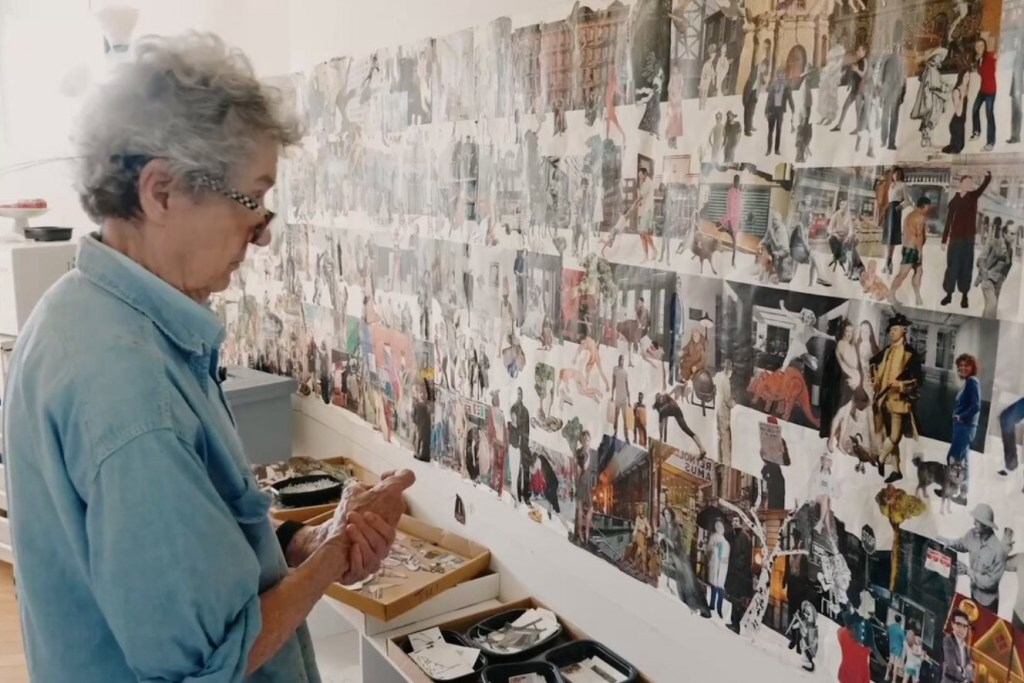
Aldwyth, born Mary Aldwyth Dickman, passed away on April 10 at age 90 in South Carolina. The reclusive artist lived and worked in a distinctive octagonal treehouse-studio on stilts on Deer Island near Hilton Head. There, she created intricate collages and assemblages using found printed materials—maps, textbooks, photographs, and ephemera—that cleverly reordered art history and challenged institutional narratives. Her dense, witty compositions blended reverence with sharp critique, producing works that were both visually stunning and intellectually provocative. The New York Times described her as an iconoclast whose output “reordered the world.” Aldwyth largely avoided the commercial art circuit, preferring solitude and creative freedom. View Aldwyth’s remarkable body of work and NYT obituary.
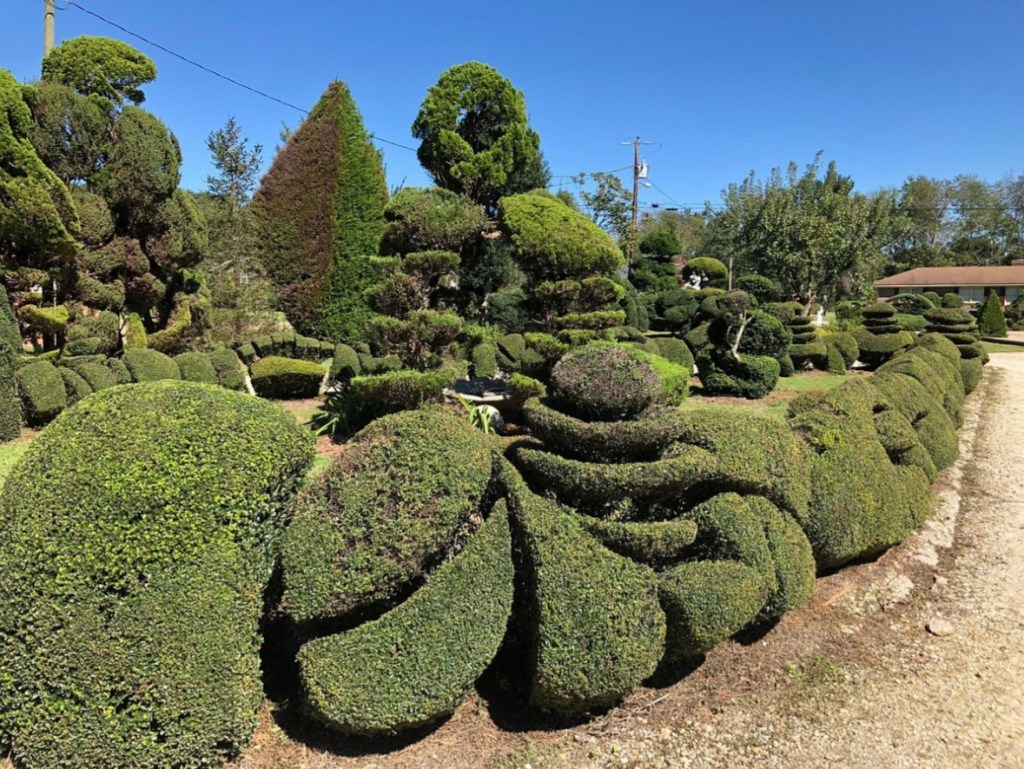
Another significant voice silenced this month was Pearl Fryar, the celebrated self-taught topiary artist who died on April 4 at age 86 in Bishopville, South Carolina. What began as a personal challenge to win a local gardening contest evolved into a globally recognized environmental art project. Fryar transformed a former cornfield into an extraordinary garden filled with swirling geometric shrubs, abstract living sculptures, and inspirational messages. His “Picasso of Plants” creations blurred boundaries between horticulture, folk art, and contemporary sculpture, drawing thousands of visitors annually and revitalizing his community. Fryar’s story of perseverance and creativity continues to inspire new generations of environmental artists. Explore Pearl Fryar’s living sculptures and legacy.
These three figures represent different yet complementary facets of the art ecosystem: the vigilant protector of objects, the solitary re-interpreter of visual culture, and the landscape transformer who made art accessible to all. Their deaths in quick succession during April 2026 highlight the vulnerability of specialized knowledge and unique practices. Gradel safeguarded collections for future study; Aldwyth invited viewers to question and reconstruct meaning; Fryar turned everyday nature into living art that fostered community pride and wonder.
In an era of rapid digitization and institutional challenges, their combined legacies feel especially relevant. Gradel’s forensic approach to provenance issues resonates as museums grapple with repatriation and transparency demands. Aldwyth’s independent spirit encourages artists to create on their own terms. Fryar’s garden proves that profound beauty and meaning can emerge from modest beginnings and sustained dedication.
These contributions endure because they addressed fundamental aspects of cultural stewardship—protection, reinterpretation, and public engagement. As the art world continues to evolve, remembering such individuals ensures that quieter revolutions are not forgotten amid louder spectacles.
What can you do? Visit local museums and gardens that preserve unique voices, support organizations dedicated to cultural heritage protection, or share these stories to keep their legacies alive. Engage directly with the works and histories they left behind—whether through exhibitions, books, or community projects. Your awareness and advocacy help safeguard the rich tapestry of art for generations to come.