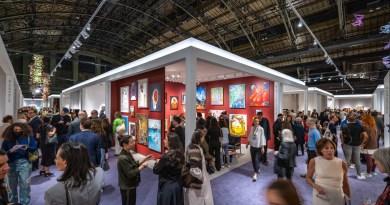
Explore the CRIMINAL Exhibition: A Deep Dive into Homelessness History
By Darren Smith, Arts Reporter
May 22, 2026
In the heart of Finsbury Park, a compelling new exhibition has opened that challenges visitors to confront one of society’s most persistent injustices. CRIMINAL: An Untold History of Homelessness, Resistance and Survival, which launched on May 21 at the Museum of Homelessness, traces four centuries of policies and attitudes that have turned poverty and housing insecurity into criminal offences.
The free exhibition, running for just 10 weeks until July 25, arrives at a critical moment. As local authorities across the UK increasingly rely on enforcement measures such as Public Spaces Protection Orders and rough sleeping bans, the show illuminates how these modern tactics echo historical vagrancy laws dating back to the 1600s. Through a blend of archival material, personal testimonies, and striking new contemporary artworks, it reveals a continuous thread of criminalisation that has disproportionately affected the vulnerable while failing to address root causes like housing shortages and economic inequality.
Standout contributions come from leading artists and activists with lived experience. Graffiti legend 10Foot presents his first-ever sculpture, a powerful piece confronting street life and authority. Gemma Lees, a Romany Gypsy artist, incorporates her personal experiences of marginalisation and neurodiversity into deeply affecting works. Meanwhile, Matt Bonner, Spelling Mistakes Cost Lives, and Surfing Sofas deliver bold visual statements on resistance and survival. These new commissions sit alongside historical artefacts, creating a dialogue between past and present that feels urgent and necessary.

Museum co-founder Jess Turtle emphasised the exhibition’s relevance: “Criminalisation as a ‘solution’ to homelessness has never gone away. Right now, in 2026, it is ramping up.” The curatorial approach deliberately centres voices of those with direct experience, transforming the gallery into a space of both education and activism. Exhibition design by Matt Bonner, Studio Boloz, and Puck Studio enhances this immersive quality, guiding visitors through centuries of policy failures and acts of defiance.
The timing is particularly poignant amid ongoing national debates about housing policy and urban regeneration. Supporters of enforcement argue such measures protect public spaces, yet critics, including many featured in the show, point to evidence that criminalisation exacerbates homelessness by pushing people further into the margins, away from support services. This exhibition doesn’t shy away from complexity; it invites informed dialogue.
Housed in a modest but impactful space at Manor House Lodge, CRIMINAL proves that small institutions can deliver outsized cultural and social contributions. Open Thursdays to Saturdays from 12:30pm to 4:30pm, it has already drawn queues of curious Londoners, community organisers, and policymakers.

This isn’t merely an art show—it’s a call to re-examine how society treats its most disadvantaged members. By weaving together art, history, and activism, the Museum of Homelessness has created a platform that humanises statistics and amplifies silenced stories. In doing so, it reminds us that true solutions lie not in punishment, but in compassion, adequate housing, and systemic change.
Visitors leave with a deeper understanding of how laws once targeting “vagabonds” have evolved into today’s anti-homeless architecture and legislation. The exhibition’s limited run makes it a must-see event in London’s cultural calendar.
To experience this thought-provoking show for yourself, visit the Museum of Homelessness in Finsbury Park or explore their full programme online. Learn more about the artists and supporting organisations via the official exhibition page. Support the museum’s vital work by donating here or following their campaign for housing justice on social media. Every voice raised against criminalisation matters—your visit and engagement can help drive real policy change.