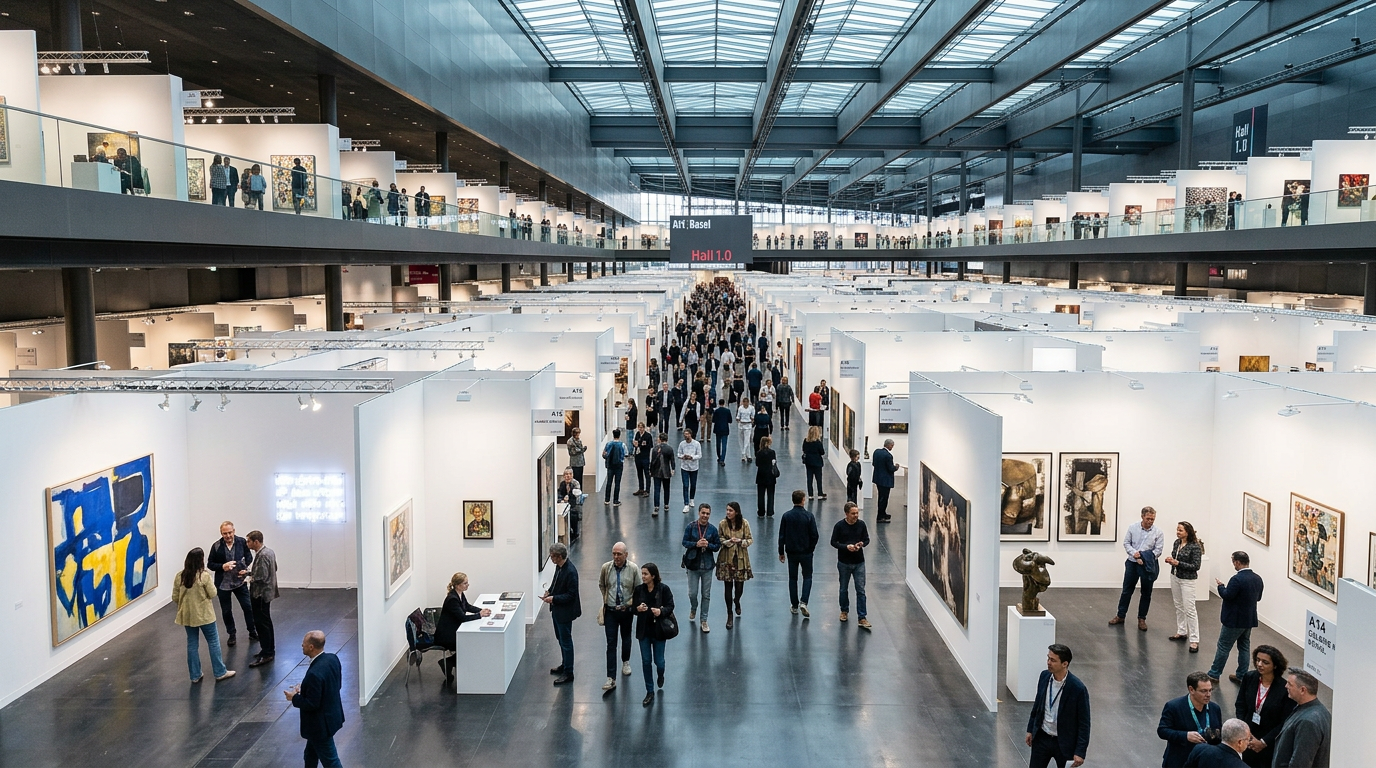
Digital Art Resurgence at Art Basel 2026
By Darren Smith, Arts Reporter
July 9, 2026
In the sleek exhibition halls of Art Basel, where traditional oil paintings once reigned supreme, something remarkable unfolded this year. Digital artworks — generative pieces that evolve in real time, algorithmic sculptures responding to environmental data, and immersive installations powered by blockchain provenance — commanded attention and commanded prices that signaled a genuine market resurgence. After years of volatility following the explosive NFT boom and subsequent correction, the digital art sector is showing clear signs of sustainable recovery, driven by institutional embrace, collector maturity, and technological refinement.
The numbers tell a compelling story. According to recent analyses tied to major fair outcomes, digital art sales have accelerated notably in the first half of 2026, contributing to a broader global art market rebound estimated at around $59.6 billion. At Art Basel’s Zero 10 initiative — the fair’s dedicated platform for digital-era works — galleries reported robust sell-through rates. Pieces like Jan Robert Leegte’s Orbits series, priced between $2,500 and $6,000, and Leander Herzog’s real-time generative botanical gardens sold briskly, with some works fetching up to $23,000. These transactions reflect not speculative flipping but deliberate acquisitions by serious collectors integrating digital pieces into diversified portfolios alongside physical masterpieces.
This momentum builds on foundations laid in late 2025. The launch and expansion of Zero 10 across Art Basel events in Miami Beach, Hong Kong, and Basel marked a pivotal institutional validation. Curated with input from figures like Trevor Paglen and Eli Scheinman, the sector highlighted works that bridge technology and artistry — from AI-driven explorations to data-visualization pieces addressing climate and surveillance themes. Far from the hype-driven drops of 2021-2022, today’s buyers seek depth, permanence, and cultural relevance. Museums have responded in kind, with the Museum of Modern Art in New York quietly bolstering its holdings of pioneering NFT collections, signaling that digital works are entering permanent art historical canons.
What distinguishes this recovery from previous cycles is its measured, multifaceted nature. Traditional auction houses and galleries have refined their approaches. SuperRare’s Offline gallery space, for instance, has successfully hosted hybrid exhibitions blending screen-based art with physical outputs, drawing crowds who appreciate the tactile alongside the virtual. Meanwhile, specialized platforms continue innovating. nft now remains a vital hub for insights, recently exploring whether blue-chip collections like CryptoPunks represent stable long-term assets amid broader digital art conversations. Marketplaces such as Magic Eden have strengthened their positions, particularly in Bitcoin Ordinals and multi-chain environments, offering lower barriers and better royalty enforcement for artists.
Industry observers point to several key drivers. First, technological maturation: Advances in display hardware, including high-fidelity LED walls and augmented reality integrations, make digital works more accessible and impressive in physical settings. Generative art, once niche, now commands respect for its algorithmic creativity and infinite variability — qualities impossible in static media. Second, economic stabilization: With cryptocurrency markets steadier and regulatory clarity emerging in key jurisdictions, liquidity has improved without the manic speculation of old. Third, collector evolution: A new wave of buyers, including tech-savvy philanthropists and younger high-net-worth individuals, views digital art as both investment and cultural statement. They value on-chain provenance that guarantees authenticity and resale royalties that directly benefit creators.
Challenges remain, of course. Skeptics still question long-term valuation amid rapid tech shifts, and energy concerns around certain blockchains persist, though many projects have migrated to more efficient networks like Tezos or layer-two solutions. Market fragmentation across platforms requires collectors to navigate carefully, yet this diversity also fosters innovation. As one gallery director noted during Basel conversations, “Digital art is no longer experimental fringe — it’s integral to how contemporary practice evolves.”
The broader art world has taken notice. Major fairs now routinely incorporate digital sections, while prizes and residencies celebrate blockchain-native creators alongside traditional ones. Reports from Right Click Save’s comprehensive A-Z of Digital Art 2026 roundup underscore this cultural shift, documenting increased museum acquisitions and grassroots community building that sustain the ecosystem beyond market cycles. Early pioneers who weathered the downturn are seeing renewed interest, their works appreciated for historical significance as much as aesthetic innovation.
This recovery feels organic because it addresses past excesses. The 2021 frenzy delivered proof-of-concept for digital ownership but exposed vulnerabilities in hype-driven valuation. Today’s market rewards quality, utility, and integration. Fractional ownership models and tokenized real-world asset ties are expanding access, allowing emerging collectors to participate meaningfully. Artists benefit too, gaining direct global audiences and sustainable income streams through smart contracts.
Looking ahead, the signals point upward. With events like NFT.NYC on the horizon and continued experimentation at the intersection of AI, generative systems, and immersive media, digital art stands poised for deeper mainstream penetration. The sector’s resilience demonstrates that technology, when thoughtfully applied, enhances rather than disrupts artistic expression.
For those intrigued by this evolving landscape, the moment to engage is now. Explore current exhibitions through Art Basel’s Zero 10, discover fresh perspectives at Right Click Save, or browse active marketplaces to see what resonates. Whether acquiring your first piece or deepening an existing collection, the digital art renaissance offers unparalleled opportunities to own the future of creativity. Dive in, connect with communities, and become part of the story shaping tomorrow’s cultural heritage.
The cover image in this article was AI-generated.


